
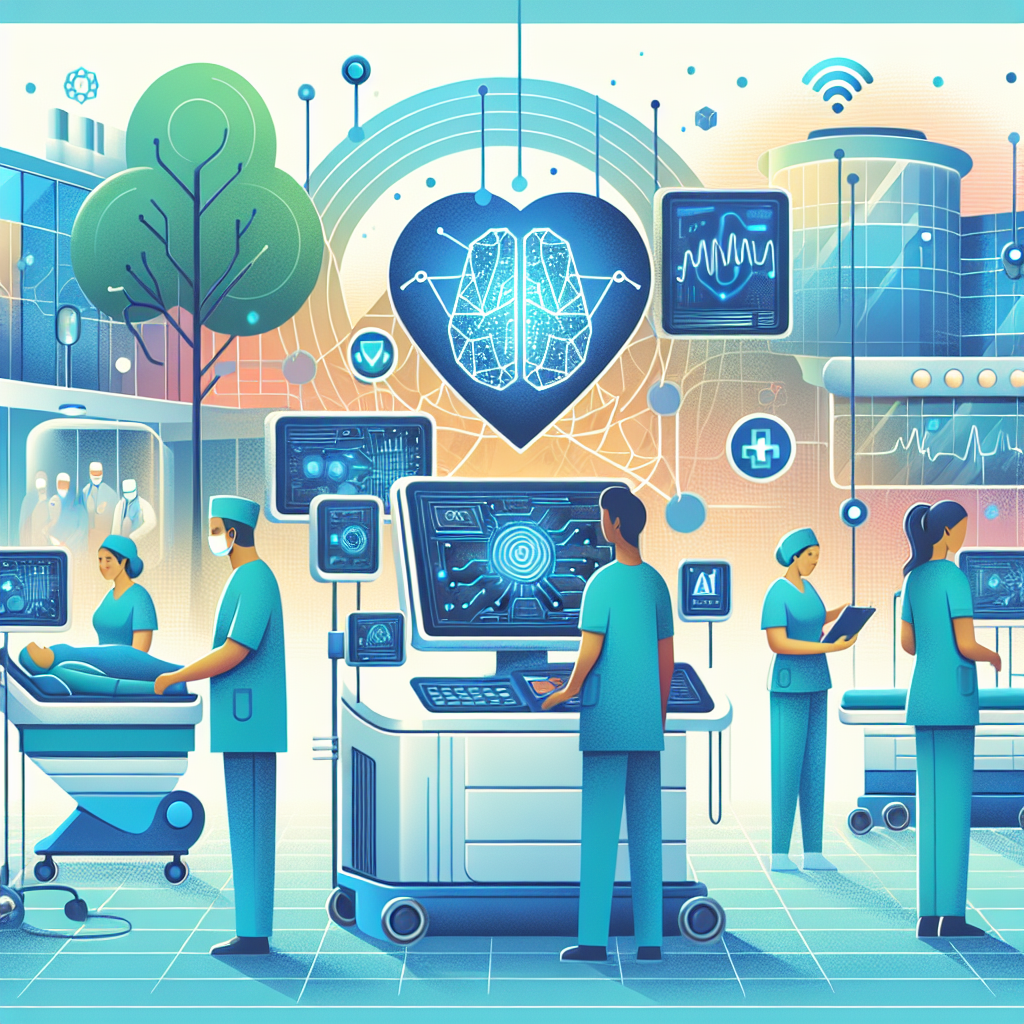
As technology continues to advance at a rapid pace, the healthcare industry is also evolving to keep up with the latest innovations. One of the most significant changes in healthcare management is the integration of artificial intelligence (AI) driven solutions. These technologies are revolutionizing the way healthcare providers deliver care, improve patient outcomes, and manage resources efficiently.
AI-driven solutions in healthcare encompass a wide range of applications, from predictive analytics to virtual health assistants. These tools are designed to automate tasks, analyze data, and provide valuable insights to healthcare professionals. By leveraging the power of AI, healthcare organizations can optimize their operations, reduce costs, and deliver better care to patients.
One of the key benefits of AI-driven solutions in healthcare management is the ability to improve patient outcomes. By analyzing vast amounts of data, AI algorithms can identify patterns and trends that human professionals may overlook. This can lead to more accurate diagnoses, personalized treatment plans, and proactive interventions to prevent medical emergencies.
For example, AI-powered predictive analytics can help healthcare providers identify patients at high risk of developing chronic conditions such as diabetes or heart disease. By analyzing factors such as genetics, lifestyle, and medical history, AI algorithms can predict the likelihood of a patient developing a specific condition and recommend preventive measures to reduce the risk.
Another important application of AI in healthcare management is the use of virtual health assistants. These AI-powered tools can streamline communication between patients and healthcare providers, automate appointment scheduling, and provide patients with personalized health information. Virtual health assistants can also help patients manage chronic conditions by reminding them to take medication, monitor their symptoms, and provide guidance on healthy lifestyle choices.
In addition to improving patient outcomes, AI-driven solutions in healthcare management can also help healthcare organizations optimize their operations and resources. By analyzing data on patient flow, resource utilization, and operational efficiency, AI algorithms can identify opportunities to reduce costs, increase productivity, and improve overall quality of care.
For example, AI-powered scheduling systems can help healthcare providers optimize appointment scheduling, reduce wait times, and maximize the use of resources such as hospital beds and operating rooms. AI algorithms can also analyze supply chain data to identify opportunities for cost savings, such as reducing waste or negotiating better prices with suppliers.
Overall, AI-driven solutions are transforming healthcare management by enabling providers to deliver more personalized, efficient, and effective care to patients. By leveraging the power of AI, healthcare organizations can improve patient outcomes, optimize operations, and reduce costs, ultimately leading to a more sustainable and efficient healthcare system.
Frequently Asked Questions (FAQs):
Q: What are some common applications of AI in healthcare management?
A: Some common applications of AI in healthcare management include predictive analytics, virtual health assistants, medical imaging analysis, and robotic process automation.
Q: How can AI improve patient outcomes in healthcare?
A: AI can improve patient outcomes by analyzing data to identify patterns and trends that can lead to more accurate diagnoses, personalized treatment plans, and proactive interventions to prevent medical emergencies.
Q: Are AI-driven solutions secure and compliant with healthcare regulations?
A: Yes, AI-driven solutions in healthcare management are designed to comply with strict healthcare regulations such as HIPAA to ensure patient data privacy and security.
Q: How can healthcare organizations implement AI-driven solutions?
A: Healthcare organizations can implement AI-driven solutions by partnering with technology vendors, investing in AI training for staff, and integrating AI tools into existing systems and workflows.
Q: What are the benefits of AI in healthcare management?
A: The benefits of AI in healthcare management include improved patient outcomes, optimized operations, reduced costs, and enhanced quality of care for patients.
In conclusion, AI-driven solutions are revolutionizing healthcare management by enabling providers to deliver more personalized, efficient, and effective care to patients. By leveraging the power of AI, healthcare organizations can improve patient outcomes, optimize operations, and reduce costs, ultimately leading to a more sustainable and efficient healthcare system.