
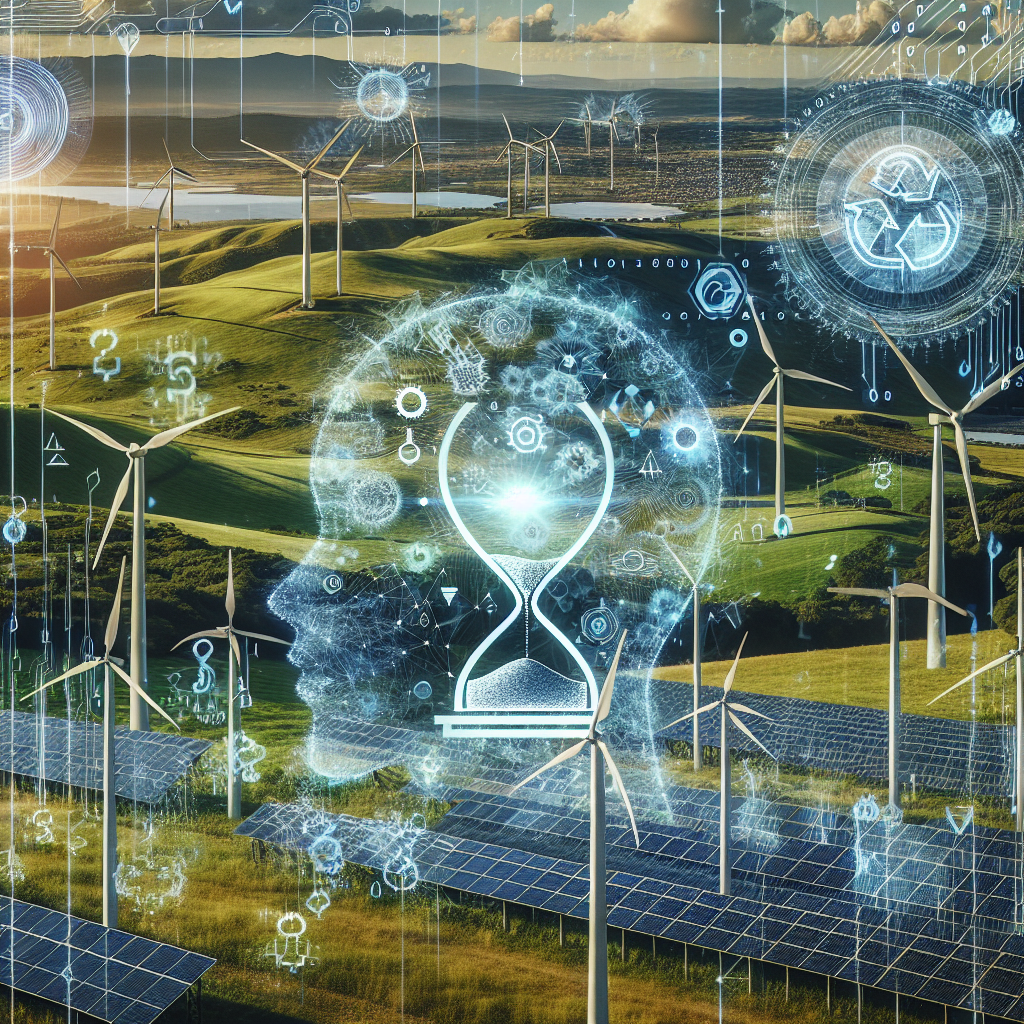
In recent years, the development of artificial intelligence (AI) has made significant strides in driving sustainable solutions across various industries. From healthcare to agriculture, AI-driven solutions have the potential to revolutionize the way we approach sustainable development. In this article, we will explore the role of AI in sustainable development and how it can help us address some of the most pressing challenges facing our planet.
AI-driven solutions for sustainable development can be defined as technologies that use AI algorithms and data analysis to optimize processes, reduce waste, and improve efficiency in various sectors. These solutions leverage the power of machine learning, natural language processing, and other AI techniques to generate insights, make predictions, and drive decision-making in a way that is not possible with traditional methods.
One of the key areas where AI is making a significant impact on sustainable development is in the field of energy. AI algorithms can analyze large amounts of data from sensors and other sources to optimize energy consumption, reduce waste, and increase efficiency. For example, smart grids powered by AI can dynamically adjust energy production and distribution based on real-time demand, leading to lower costs and reduced carbon emissions.
Another area where AI is driving sustainable solutions is in agriculture. By using AI algorithms to analyze soil conditions, weather patterns, and crop data, farmers can optimize their planting, watering, and fertilizing practices to increase yields and reduce environmental impact. AI-powered drones can also be used to monitor crops for pests and diseases, enabling early intervention and reducing the need for harmful pesticides.
In the healthcare sector, AI is being used to improve patient outcomes and reduce costs. AI algorithms can analyze medical images, genetic data, and patient records to diagnose diseases earlier and more accurately, leading to better treatment options and improved survival rates. AI-powered chatbots and virtual assistants can also help patients manage chronic conditions and access healthcare resources more efficiently.
AI-driven solutions are also being used to address climate change and environmental conservation. By analyzing satellite images, weather data, and other sources of information, AI algorithms can help predict natural disasters such as hurricanes and wildfires, enabling early warning systems and evacuation plans to be put in place. AI can also be used to monitor and protect endangered species, track illegal logging and fishing activities, and reduce pollution in our oceans and rivers.
In addition to these specific examples, AI-driven solutions for sustainable development can be applied across a wide range of industries and sectors. Whether it’s optimizing transportation networks, reducing food waste, or improving water management, AI has the potential to transform the way we approach sustainability and drive positive change for future generations.
Despite the many benefits of AI-driven solutions for sustainable development, there are also some challenges and concerns that need to be addressed. One of the key issues is the potential for AI algorithms to perpetuate biases and inequalities, particularly in areas such as healthcare and criminal justice. It is essential for developers and policymakers to ensure that AI systems are transparent, accountable, and fair to all users.
Another challenge is the need for robust data privacy and security measures to protect sensitive information from being misused or exploited. As AI technologies become more sophisticated and widespread, it is crucial for organizations to implement strong data protection policies and practices to safeguard against cyber threats and breaches.
Furthermore, there is a concern about the impact of AI on jobs and the workforce. While AI-driven solutions have the potential to increase productivity and create new opportunities for employment, they also have the potential to disrupt traditional industries and displace workers. It is essential for governments and businesses to invest in training and re-skilling programs to help workers adapt to the changing labor market.
In conclusion, AI-driven solutions for sustainable development have the potential to revolutionize the way we address some of the most pressing challenges facing our planet. From energy and agriculture to healthcare and climate change, AI technologies can help us optimize processes, reduce waste, and improve efficiency in a way that is not possible with traditional methods. By harnessing the power of AI, we can create a more sustainable and prosperous future for all.
FAQs:
Q: What are some examples of AI-driven solutions for sustainable development?
A: Some examples include smart grids for energy optimization, AI-powered drones for agriculture monitoring, and AI algorithms for healthcare diagnosis and treatment.
Q: How can AI help address climate change and environmental conservation?
A: AI can be used to predict natural disasters, monitor endangered species, track illegal activities, and reduce pollution in our oceans and rivers.
Q: What are some of the challenges and concerns associated with AI-driven solutions for sustainable development?
A: Challenges include biases and inequalities, data privacy and security, and the impact on jobs and the workforce.
Q: How can organizations ensure that AI systems are fair and accountable?
A: By implementing transparent and ethical AI practices, organizations can ensure that AI systems are fair and accountable to all users.