
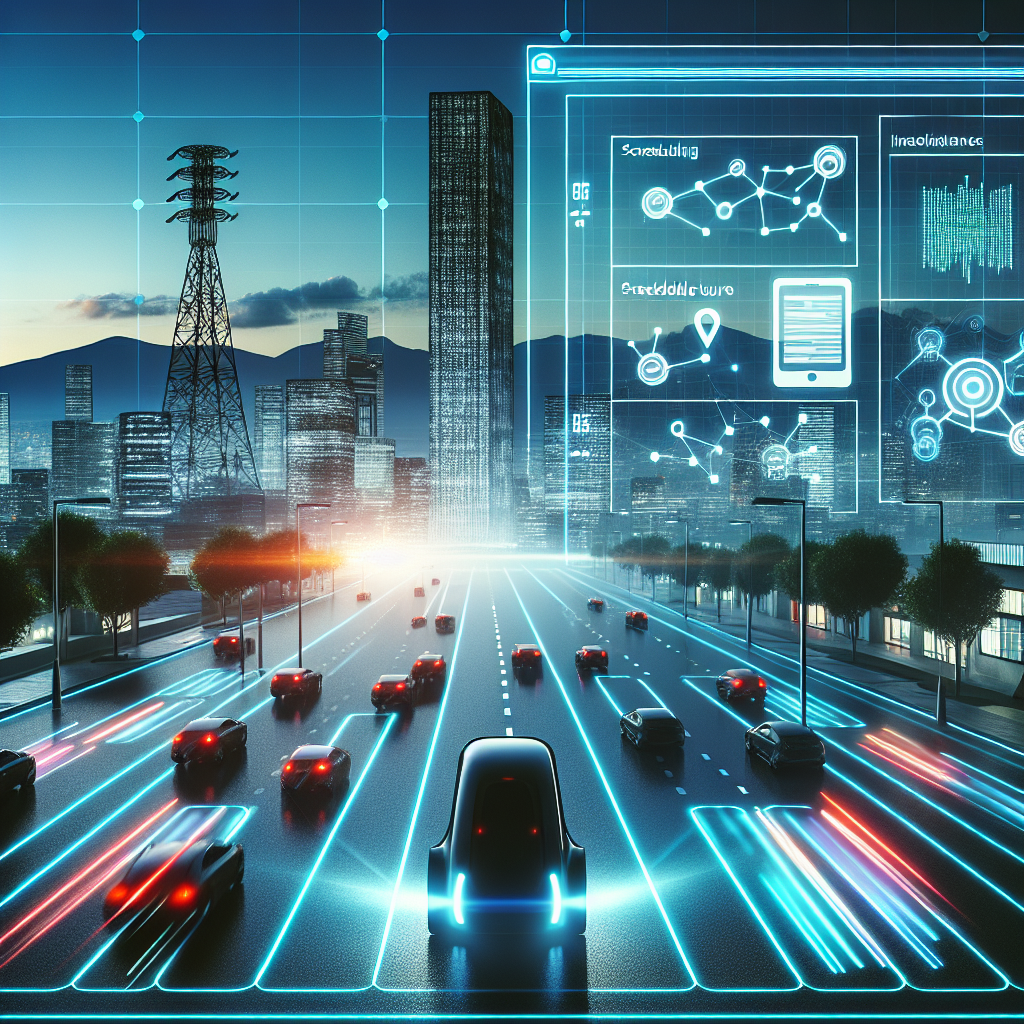
AI-Driven Solutions for Vehicle Routing and Scheduling
In recent years, advancements in artificial intelligence (AI) technology have revolutionized the way businesses operate, particularly in the field of logistics and transportation. One area where AI has had a significant impact is in vehicle routing and scheduling, which involves optimizing the routes and schedules of vehicles to ensure efficient and cost-effective delivery of goods and services.
AI-driven solutions for vehicle routing and scheduling use algorithms and machine learning techniques to analyze large amounts of data and make real-time decisions to improve the overall efficiency of transportation operations. These solutions can help businesses reduce costs, improve customer satisfaction, and increase productivity by optimizing routes, reducing fuel consumption, minimizing vehicle idle time, and avoiding traffic congestion.
There are several key benefits of using AI-driven solutions for vehicle routing and scheduling:
1. Improved Efficiency: AI algorithms can analyze complex data sets and make decisions in real-time to optimize routes and schedules, resulting in faster and more efficient deliveries.
2. Cost Savings: By optimizing routes and schedules, businesses can reduce fuel consumption, vehicle maintenance costs, and labor expenses, leading to significant cost savings.
3. Increased Customer Satisfaction: By delivering goods and services more quickly and reliably, businesses can improve customer satisfaction and loyalty.
4. Reduced Environmental Impact: By optimizing routes and reducing fuel consumption, businesses can minimize their carbon footprint and contribute to a more sustainable transportation system.
5. Enhanced Decision-Making: AI-driven solutions provide businesses with valuable insights and recommendations to help them make informed decisions and improve their overall transportation operations.
There are several AI-driven technologies that can be used for vehicle routing and scheduling, including:
1. Machine Learning Algorithms: Machine learning algorithms can analyze historical data and identify patterns to predict future demand, optimize routes, and improve scheduling.
2. Genetic Algorithms: Genetic algorithms use the principles of natural selection to optimize routes and schedules by simulating the process of evolution and selecting the best solutions.
3. Reinforcement Learning: Reinforcement learning algorithms use a trial-and-error approach to learn from experience and improve decision-making in real-time.
4. Predictive Analytics: Predictive analytics can forecast demand, identify potential bottlenecks, and recommend optimal routes and schedules based on historical data and real-time information.
5. Real-Time Data Processing: AI-driven solutions can process real-time data from GPS devices, traffic sensors, and other sources to make immediate adjustments to routes and schedules as conditions change.
FAQs:
Q: How can AI-driven solutions improve vehicle routing and scheduling?
A: AI-driven solutions use advanced algorithms and machine learning techniques to analyze data, optimize routes, and make real-time decisions to improve the efficiency and cost-effectiveness of transportation operations.
Q: What are the key benefits of using AI-driven solutions for vehicle routing and scheduling?
A: The key benefits of using AI-driven solutions include improved efficiency, cost savings, increased customer satisfaction, reduced environmental impact, and enhanced decision-making.
Q: What technologies are used in AI-driven solutions for vehicle routing and scheduling?
A: Technologies such as machine learning algorithms, genetic algorithms, reinforcement learning, predictive analytics, and real-time data processing are used in AI-driven solutions for vehicle routing and scheduling.
Q: How can businesses implement AI-driven solutions for vehicle routing and scheduling?
A: Businesses can implement AI-driven solutions by partnering with technology providers that specialize in transportation logistics, investing in AI technology and training for their employees, and integrating AI-driven solutions into their existing transportation management systems.
In conclusion, AI-driven solutions for vehicle routing and scheduling offer businesses a powerful tool to optimize their transportation operations, reduce costs, improve customer satisfaction, and minimize their environmental impact. By leveraging the latest advancements in AI technology, businesses can stay competitive in an increasingly complex and dynamic transportation landscape.