
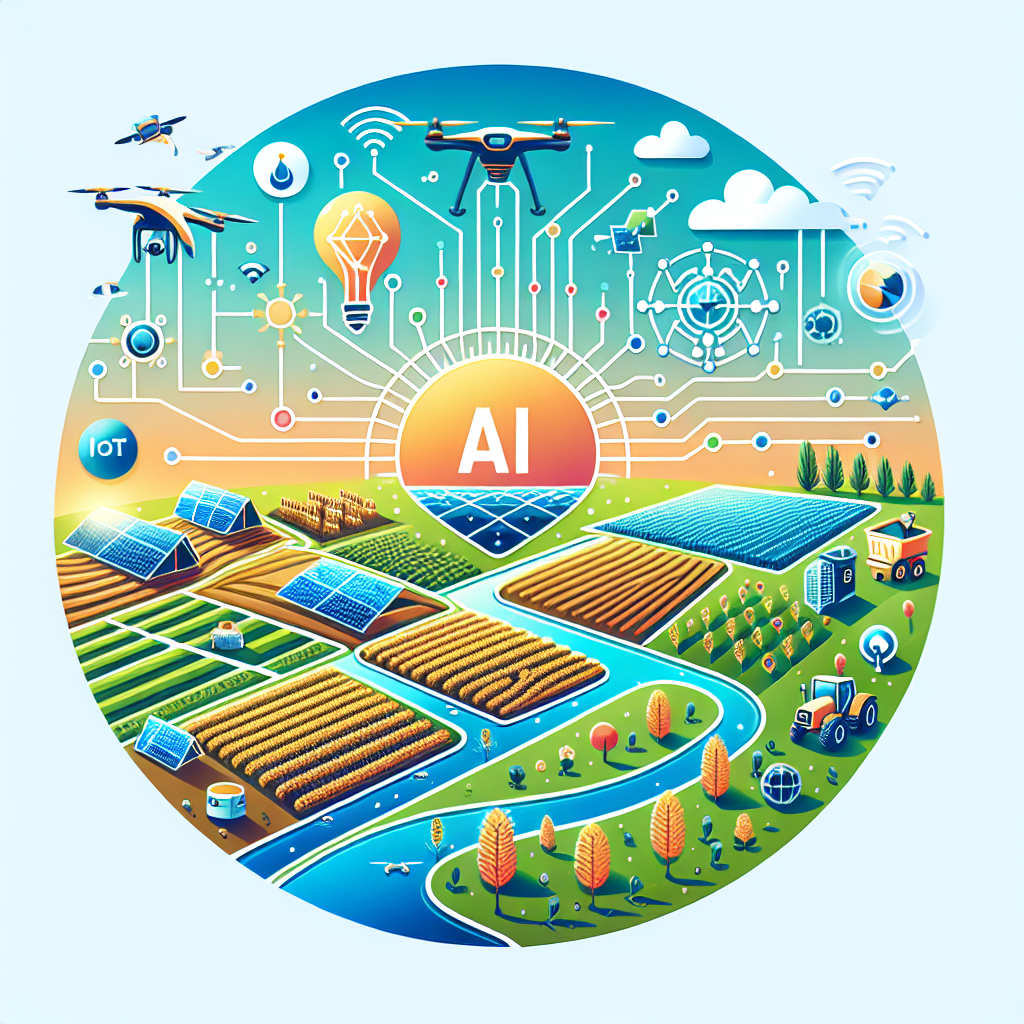
AI-driven solutions for water management in agriculture are revolutionizing the way farmers conserve and utilize water resources. With the growing challenges of climate change and water scarcity, it has become increasingly important for farmers to adopt innovative technologies to optimize water usage and increase crop yield. Artificial intelligence (AI) is playing a crucial role in this process by providing real-time data, predictive analytics, and automated decision-making tools to help farmers make informed decisions about irrigation, fertilization, and pest control.
One of the key benefits of AI-driven solutions for water management in agriculture is their ability to collect and analyze vast amounts of data from various sources, such as weather forecasts, soil moisture sensors, and satellite imagery. This data is then used to create predictive models that can accurately forecast water requirements for specific crops, identify areas of water stress, and recommend optimal irrigation schedules. By leveraging AI technology, farmers can reduce water wastage, increase crop productivity, and minimize the environmental impact of agriculture on water resources.
AI-driven solutions for water management in agriculture can also help farmers monitor and control irrigation systems more effectively. Smart irrigation systems equipped with AI algorithms can adjust water flow rates and schedules based on real-time weather conditions, soil moisture levels, and crop water requirements. This not only improves water efficiency but also reduces labor costs and increases the overall profitability of the farm.
Another important application of AI in water management is the detection and prevention of water-related diseases and pests. By analyzing data on crop health, temperature, humidity, and other environmental factors, AI algorithms can identify early signs of disease or pest infestations and recommend targeted interventions to minimize crop damage. This proactive approach to pest and disease management can help farmers reduce the need for chemical pesticides, protect crop yields, and improve overall crop quality.
In addition to optimizing water usage and crop health, AI-driven solutions for water management in agriculture can also help farmers comply with regulatory requirements and sustainability standards. By providing real-time monitoring and reporting capabilities, AI technology enables farmers to track water usage, nutrient runoff, and other environmental indicators to ensure compliance with local regulations and best practices. This not only helps farmers avoid fines and penalties but also demonstrates their commitment to sustainable farming practices.
Overall, AI-driven solutions for water management in agriculture offer a wide range of benefits, including increased crop yield, reduced water usage, improved crop quality, and enhanced environmental sustainability. By harnessing the power of AI technology, farmers can overcome the challenges of water scarcity and climate change to build a more resilient and profitable agricultural sector.
FAQs:
1. What are the main challenges of water management in agriculture?
The main challenges of water management in agriculture include water scarcity, inefficient irrigation practices, water pollution, and climate change. These factors can have a significant impact on crop yield, farm profitability, and environmental sustainability.
2. How can AI help farmers optimize water usage in agriculture?
AI technology can help farmers optimize water usage in agriculture by providing real-time data on weather conditions, soil moisture levels, and crop water requirements. This data is used to create predictive models that can accurately forecast water needs and recommend optimal irrigation schedules.
3. What are the benefits of using AI-driven solutions for water management in agriculture?
The benefits of using AI-driven solutions for water management in agriculture include increased crop yield, reduced water usage, improved crop quality, and enhanced environmental sustainability. AI technology can also help farmers comply with regulatory requirements and sustainability standards.
4. How can farmers implement AI-driven solutions for water management on their farms?
Farmers can implement AI-driven solutions for water management on their farms by investing in smart irrigation systems, soil moisture sensors, and other AI-enabled technologies. These tools can help farmers collect and analyze data to make informed decisions about irrigation, fertilization, and pest control.
5. What are some examples of AI applications in water management in agriculture?
Some examples of AI applications in water management in agriculture include predictive analytics for irrigation scheduling, pest and disease detection, and environmental monitoring. These tools can help farmers optimize water usage, improve crop health, and reduce the environmental impact of agriculture on water resources.