
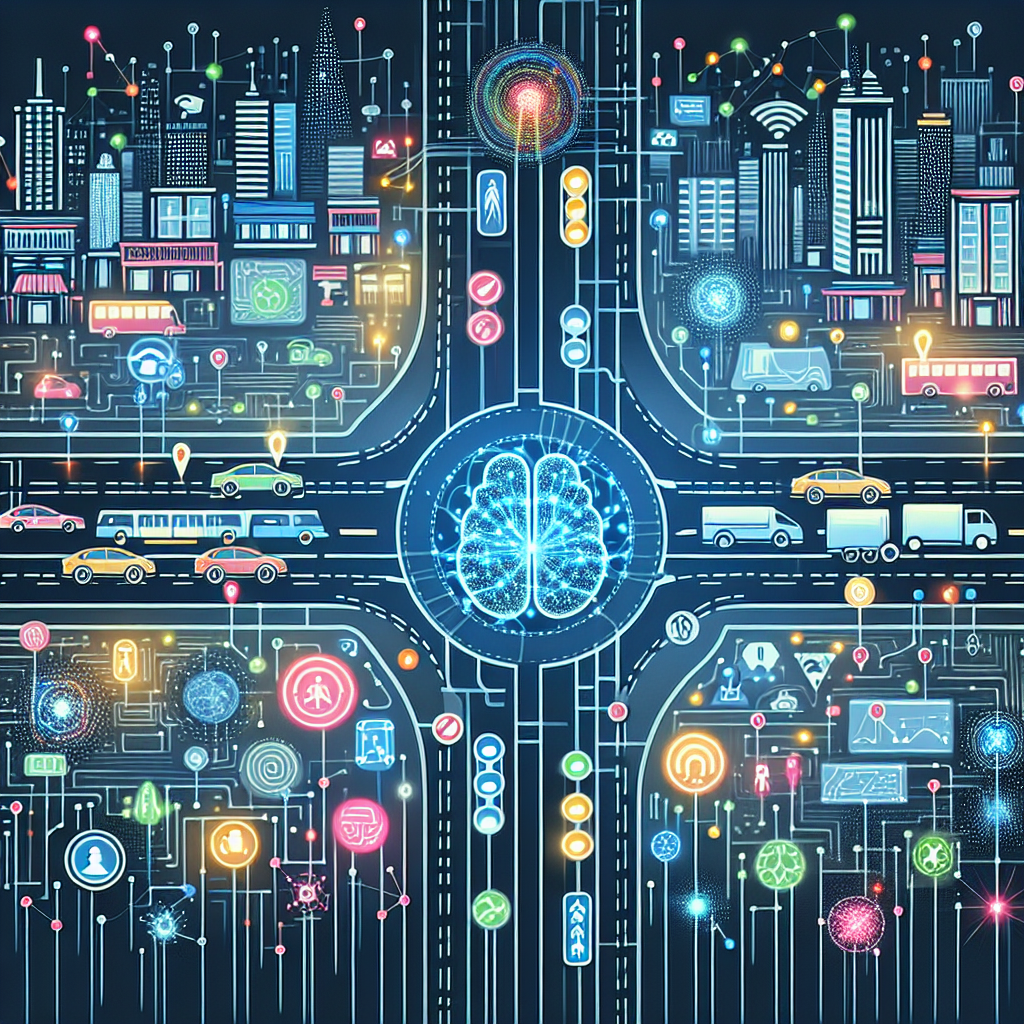
Artificial Intelligence (AI) is revolutionizing the way we live and work, and one area where its impact is particularly profound is in smart traffic management systems. These systems use AI algorithms to analyze traffic data in real-time, optimize traffic flow, and reduce congestion on roads. As the world’s population continues to grow, and urbanization increases, the need for efficient and sustainable transportation solutions becomes more pressing. AI-enabled smart traffic management systems offer a promising solution to these challenges by improving traffic flow, reducing emissions, and enhancing overall road safety.
How do AI-enabled smart traffic management systems work?
AI-enabled smart traffic management systems use a combination of sensors, cameras, and other data sources to collect real-time information about traffic conditions. This data is then fed into AI algorithms that analyze it to identify patterns, predict traffic flow, and make decisions to optimize traffic flow. These decisions can include adjusting traffic signal timings, rerouting traffic, or even controlling autonomous vehicles to ensure the smooth flow of traffic.
One of the key advantages of AI-enabled smart traffic management systems is their ability to adapt to changing traffic conditions. Traditional traffic management systems rely on pre-set timings and schedules, which can be ineffective during unexpected events such as accidents or road closures. AI algorithms, on the other hand, can quickly analyze new data and make decisions in real-time to minimize disruptions and keep traffic flowing smoothly.
What are the benefits of AI-enabled smart traffic management systems?
There are several benefits to implementing AI-enabled smart traffic management systems, including:
1. Improved traffic flow: By analyzing real-time traffic data and making decisions to optimize traffic flow, AI-enabled systems can reduce congestion and delays on roads, leading to faster and more efficient travel times for commuters.
2. Reduced emissions: By reducing congestion and stop-and-go traffic, AI-enabled systems can help to lower emissions from vehicles, improving air quality and reducing the environmental impact of transportation.
3. Enhanced road safety: AI algorithms can analyze traffic data to identify potential hazards and make decisions to prevent accidents, such as adjusting signal timings or alerting drivers to dangerous conditions.
4. Cost savings: By reducing congestion and improving traffic flow, AI-enabled systems can help to lower fuel consumption and maintenance costs for vehicles, as well as reduce the economic impact of traffic delays on businesses and the economy.
5. Scalability: AI-enabled smart traffic management systems can be easily scaled up to cover larger areas or more complex road networks, making them a flexible and adaptable solution for growing cities and urban areas.
What are some examples of AI-enabled smart traffic management systems?
Several cities around the world have already implemented AI-enabled smart traffic management systems with promising results. For example, Singapore has deployed a system called the Urban Traffic Management and Control (UTMC) system, which uses AI algorithms to analyze traffic data and optimize signal timings in real-time. The system has helped to reduce travel times by up to 25% and cut emissions by 15%.
In the United States, the city of Los Angeles has implemented an AI-enabled traffic management system called ATSAC (Adaptive Traffic Signal Control), which uses AI algorithms to adjust signal timings based on real-time traffic conditions. The system has reduced travel times by up to 12% and improved overall traffic flow in the city.
In Europe, the city of Barcelona has implemented an AI-enabled traffic management system called the Barcelona CityOS, which uses AI algorithms to analyze traffic data from sensors and cameras to optimize traffic flow and reduce congestion. The system has led to a 21% reduction in travel times and a 15% decrease in emissions.
What are the challenges of implementing AI-enabled smart traffic management systems?
While AI-enabled smart traffic management systems offer many benefits, there are also challenges to implementing these systems. Some of the key challenges include:
1. Data privacy and security: AI-enabled systems rely on collecting and analyzing large amounts of data from sensors and cameras, raising concerns about privacy and security. Cities must ensure that data is collected and stored securely and that privacy concerns are addressed to gain public trust in these systems.
2. Cost: Implementing AI-enabled smart traffic management systems can be expensive, requiring investment in sensors, cameras, and AI algorithms. Cities must weigh the cost of implementing these systems against the potential benefits they offer in terms of reduced congestion, emissions, and improved road safety.
3. Infrastructure: AI-enabled systems require a robust infrastructure to support the collection and analysis of traffic data in real-time. Cities must invest in upgrading their infrastructure to support these systems and ensure that they can scale up as needed to cover larger areas and more complex road networks.
4. Public acceptance: Implementing AI-enabled smart traffic management systems may require changes to existing traffic patterns and signal timings, which can be met with resistance from the public. Cities must engage with stakeholders and communicate the benefits of these systems to gain public acceptance and support.
In conclusion, AI-enabled smart traffic management systems offer a promising solution to the challenges of urban transportation by improving traffic flow, reducing emissions, and enhancing road safety. While there are challenges to implementing these systems, the benefits they offer in terms of efficiency, sustainability, and safety make them a valuable investment for cities around the world. By leveraging AI algorithms to analyze real-time traffic data and make decisions to optimize traffic flow, cities can create a more sustainable and efficient transportation system for the future.
FAQs:
Q: How do AI-enabled smart traffic management systems differ from traditional traffic management systems?
A: AI-enabled smart traffic management systems use AI algorithms to analyze real-time traffic data and make decisions to optimize traffic flow, while traditional systems rely on pre-set timings and schedules. This allows AI systems to adapt to changing traffic conditions and reduce congestion more effectively.
Q: What are some examples of cities that have implemented AI-enabled smart traffic management systems?
A: Cities such as Singapore, Los Angeles, and Barcelona have implemented AI-enabled smart traffic management systems with promising results, including reduced congestion, improved traffic flow, and lower emissions.
Q: What are the key benefits of AI-enabled smart traffic management systems?
A: The key benefits of AI-enabled smart traffic management systems include improved traffic flow, reduced emissions, enhanced road safety, cost savings, and scalability to cover larger areas or more complex road networks.
Q: What are some of the challenges of implementing AI-enabled smart traffic management systems?
A: Challenges of implementing AI-enabled smart traffic management systems include data privacy and security concerns, cost of implementation, infrastructure requirements, and public acceptance of changes to existing traffic patterns.