
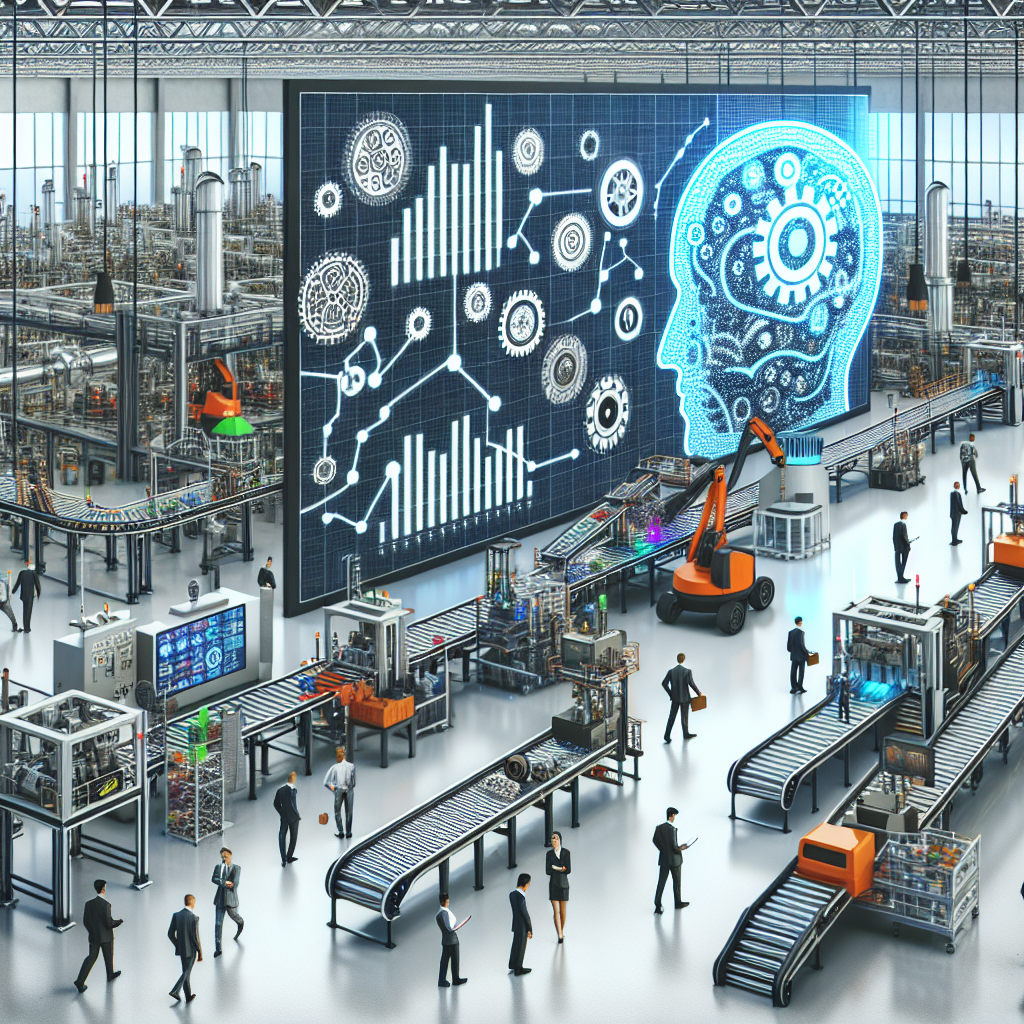
In today’s fast-paced manufacturing environment, companies are constantly looking for ways to improve efficiency and reduce costs. One of the key areas where advancements in technology are making a significant impact is supply chain optimization. By leveraging artificial intelligence (AI) technology, manufacturers can streamline their operations, improve forecasting accuracy, and ultimately drive greater profitability.
AI-enabled supply chain optimization refers to the use of AI algorithms and machine learning techniques to analyze data, make predictions, and automate decision-making processes within the supply chain. These technologies can help manufacturers optimize inventory levels, reduce lead times, improve production planning, and enhance overall supply chain visibility.
There are several ways in which AI can be applied to supply chain optimization in manufacturing. One of the most common applications is demand forecasting. By analyzing historical sales data, market trends, and other relevant factors, AI algorithms can predict future demand with a high degree of accuracy. This allows manufacturers to better plan their production schedules, optimize inventory levels, and reduce the risk of stockouts or overstocking.
Another key area where AI can drive significant improvements in supply chain optimization is in production planning and scheduling. By analyzing production data, machine performance metrics, and other relevant factors, AI algorithms can help manufacturers optimize their production schedules to minimize downtime, reduce changeover times, and improve overall equipment efficiency.
AI can also be used to optimize transportation and logistics operations within the supply chain. By analyzing real-time data on shipping routes, traffic patterns, and weather conditions, AI algorithms can help manufacturers optimize their transportation networks to reduce costs, improve delivery times, and enhance overall supply chain visibility.
Overall, AI-enabled supply chain optimization in manufacturing can help companies achieve a number of key benefits, including:
1. Improved forecasting accuracy: AI algorithms can analyze vast amounts of data to predict future demand with a high degree of accuracy, helping manufacturers better plan their production schedules and optimize inventory levels.
2. Reduced lead times: By optimizing production schedules and streamlining logistics operations, AI can help manufacturers reduce lead times and improve overall supply chain efficiency.
3. Enhanced supply chain visibility: AI technology can provide manufacturers with real-time insights into their supply chain operations, helping them identify bottlenecks, inefficiencies, and opportunities for improvement.
4. Cost savings: By optimizing inventory levels, production schedules, and transportation networks, AI-enabled supply chain optimization can help manufacturers reduce costs and improve profitability.
5. Increased customer satisfaction: By improving forecasting accuracy, reducing lead times, and enhancing supply chain visibility, manufacturers can deliver products to customers faster and more reliably, leading to increased customer satisfaction.
Despite the many benefits of AI-enabled supply chain optimization, there are also some challenges and considerations that manufacturers should be aware of. These include:
1. Data quality: AI algorithms rely on high-quality data to make accurate predictions and recommendations. Manufacturers need to ensure that their data is clean, accurate, and up-to-date in order to get the most out of AI technology.
2. Implementation costs: Implementing AI-enabled supply chain optimization can require a significant investment in technology, infrastructure, and training. Manufacturers need to carefully assess the costs and benefits of AI before embarking on a new initiative.
3. Integration with existing systems: AI technology needs to be integrated with existing ERP, CRM, and other systems in order to be effective. Manufacturers need to ensure that their AI solutions can seamlessly integrate with their existing technology stack.
4. Change management: Implementing AI-enabled supply chain optimization can require changes to existing processes, workflows, and organizational structures. Manufacturers need to carefully manage these changes to ensure a smooth transition and maximize the benefits of AI technology.
Overall, AI-enabled supply chain optimization in manufacturing holds great promise for improving efficiency, reducing costs, and driving greater profitability. By leveraging the power of AI algorithms and machine learning techniques, manufacturers can optimize their supply chain operations, improve forecasting accuracy, and enhance overall supply chain visibility.
FAQs:
Q: How can AI help manufacturers optimize their inventory levels?
A: AI algorithms can analyze historical sales data, market trends, and other relevant factors to predict future demand with a high degree of accuracy. By optimizing inventory levels based on these predictions, manufacturers can reduce the risk of stockouts or overstocking.
Q: What are some of the key benefits of AI-enabled supply chain optimization in manufacturing?
A: Some of the key benefits include improved forecasting accuracy, reduced lead times, enhanced supply chain visibility, cost savings, and increased customer satisfaction.
Q: What are some of the challenges of implementing AI-enabled supply chain optimization in manufacturing?
A: Some of the challenges include data quality issues, implementation costs, integration with existing systems, and change management considerations. Manufacturers need to carefully assess these challenges before embarking on a new AI initiative.
Q: How can manufacturers ensure a smooth transition to AI-enabled supply chain optimization?
A: Manufacturers can ensure a smooth transition by carefully managing change, investing in training and development, and working closely with technology partners to integrate AI solutions with existing systems. By taking a strategic and proactive approach, manufacturers can maximize the benefits of AI technology in their supply chain operations.