
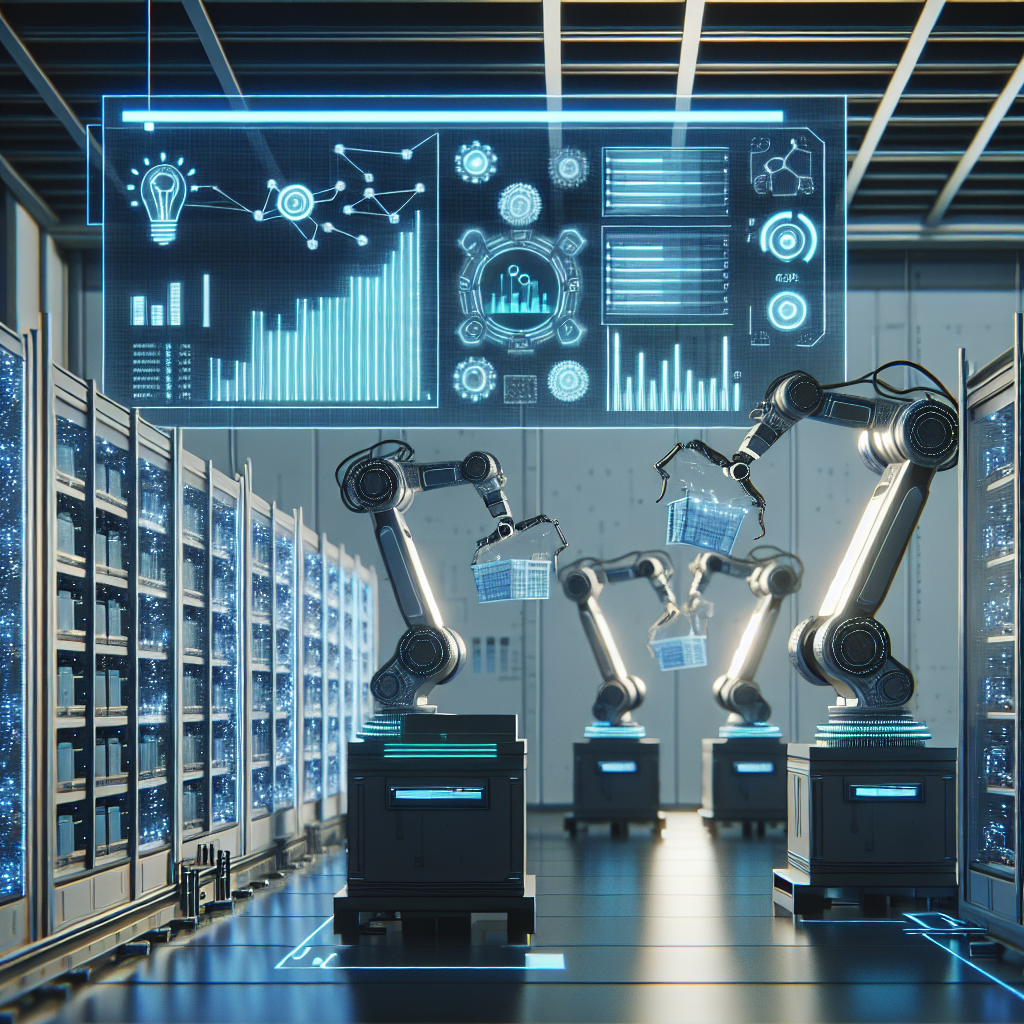
In the world of manufacturing, maintaining an efficient and optimized inventory system is crucial for success. Inventory management is the process of overseeing the flow of goods from manufacturers to warehouses, to retailers, and ultimately to customers. Proper inventory optimization ensures that a company has the right amount of stock on hand to meet customer demand while minimizing excess inventory and associated costs.
With the advancement of technology, many manufacturing companies are turning to artificial intelligence (AI) to enhance their inventory optimization processes. AI-powered inventory management systems use algorithms and machine learning to analyze large amounts of data and make intelligent decisions about inventory levels, reorder points, and supply chain management.
AI-enhanced inventory optimization in manufacturing offers numerous benefits, including improved accuracy, reduced costs, increased efficiency, and better customer service. In this article, we will discuss how AI is transforming inventory management in the manufacturing industry and explore some frequently asked questions about this innovative technology.
Benefits of AI-Enhanced Inventory Optimization in Manufacturing
1. Improved Accuracy: AI-powered inventory management systems can analyze vast amounts of data in real-time, leading to more accurate forecasting of demand and inventory levels. This helps companies avoid stockouts, overstocking, and costly errors in their inventory management processes.
2. Reduced Costs: By accurately predicting demand and optimizing inventory levels, AI can help manufacturing companies reduce carrying costs, minimize stockouts, and lower the overall cost of inventory management. This can lead to significant cost savings and improved profitability for the company.
3. Increased Efficiency: AI algorithms can automate many aspects of inventory management, such as demand forecasting, replenishment planning, and order optimization. This frees up time for employees to focus on more strategic tasks and improves the overall efficiency of the inventory management process.
4. Better Customer Service: By ensuring that the right products are in stock at the right time, AI-enhanced inventory optimization can improve customer satisfaction and loyalty. Customers are more likely to return to a company that consistently meets their demand for products and delivers on time.
5. Supply Chain Optimization: AI can also help companies optimize their supply chain by identifying bottlenecks, inefficiencies, and opportunities for improvement. By analyzing data from suppliers, manufacturers, and distributors, AI can help companies streamline their supply chain and reduce lead times.
Frequently Asked Questions about AI-Enhanced Inventory Optimization in Manufacturing
Q: How does AI improve demand forecasting in inventory management?
A: AI algorithms can analyze historical sales data, market trends, and other relevant factors to predict future demand more accurately. By using machine learning techniques, AI can continuously learn and adapt to changing market conditions, leading to more precise demand forecasts.
Q: What are the key features of an AI-powered inventory management system?
A: An AI-powered inventory management system typically includes features such as demand forecasting, replenishment planning, order optimization, inventory tracking, and reporting. These systems use advanced algorithms and machine learning to optimize inventory levels and improve supply chain efficiency.
Q: How can AI help companies reduce stockouts and overstocking?
A: AI algorithms can analyze demand patterns and inventory levels in real-time to identify potential stockouts or overstocking situations. By setting optimal reorder points and safety stock levels, AI can help companies maintain the right amount of inventory on hand to meet customer demand without excess stock.
Q: What are the challenges of implementing AI-enhanced inventory optimization in manufacturing?
A: While AI offers numerous benefits for inventory management, there are some challenges to consider, such as data quality issues, integration with existing systems, and employee training. Companies must invest in data collection and analysis tools, as well as provide training for employees to effectively use AI-powered inventory management systems.
Q: How can companies measure the ROI of AI-enhanced inventory optimization?
A: Companies can measure the ROI of AI-enhanced inventory optimization by tracking key performance indicators such as inventory turnover, stockout rates, carrying costs, and order fulfillment rates. By comparing these metrics before and after implementing AI, companies can quantify the benefits and ROI of their investment.
In conclusion, AI-enhanced inventory optimization is revolutionizing the manufacturing industry by improving accuracy, reducing costs, increasing efficiency, and enhancing customer service. By leveraging the power of AI algorithms and machine learning, manufacturing companies can optimize their inventory management processes and gain a competitive edge in today’s fast-paced business environment. By understanding the benefits and challenges of AI in inventory optimization, companies can make informed decisions about implementing this innovative technology in their operations.