
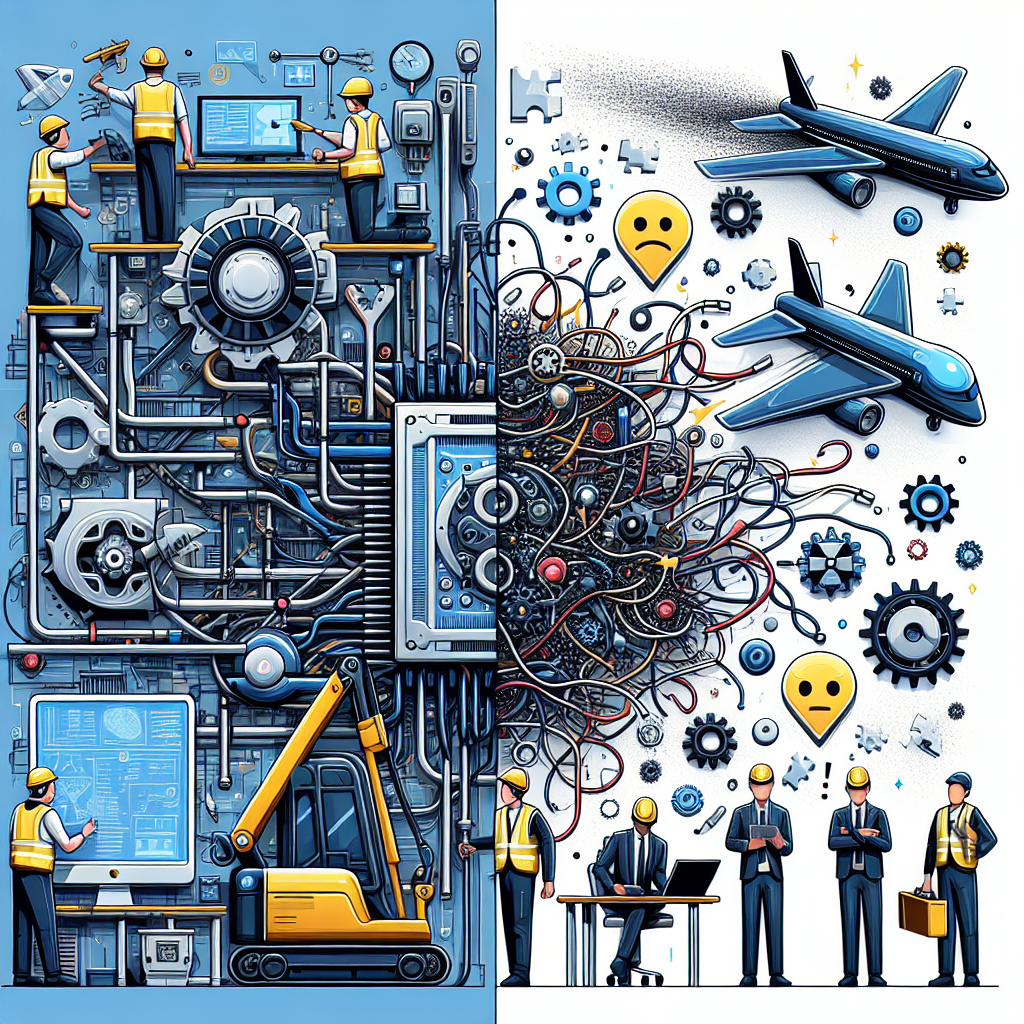
AI in Aerospace Manufacturing: Advancements and Challenges
Artificial Intelligence (AI) is revolutionizing industries across the board, and aerospace manufacturing is no exception. The integration of AI technology in aerospace manufacturing processes has led to significant advancements in efficiency, accuracy, and cost-effectiveness. However, along with these advancements come challenges that must be addressed for the full potential of AI to be realized in the aerospace sector.
Advancements in AI in Aerospace Manufacturing
1. Predictive Maintenance: One of the key advancements in AI technology in aerospace manufacturing is predictive maintenance. By analyzing data from sensors and other sources, AI algorithms can predict when a component is likely to fail, allowing for proactive maintenance to be carried out before a breakdown occurs. This not only reduces downtime but also increases the lifespan of equipment, leading to cost savings for manufacturers.
2. Quality Control: AI systems can be trained to detect defects in manufactured parts with a high level of accuracy. By analyzing images or sensor data, AI algorithms can identify imperfections that may be missed by human inspectors, ensuring that only high-quality parts make it into the final product. This leads to improved product quality and customer satisfaction.
3. Supply Chain Optimization: AI technology can be used to optimize supply chain processes in aerospace manufacturing. By analyzing historical data, AI algorithms can predict demand for components and materials, allowing manufacturers to streamline their inventory management and reduce costs. AI can also be used to optimize production schedules, ensuring that resources are allocated efficiently.
4. Autonomous Manufacturing: The integration of AI technology with robotics has enabled the development of autonomous manufacturing systems in the aerospace industry. These systems can operate 24/7 with minimal human intervention, leading to increased productivity and reduced labor costs. Autonomous manufacturing also improves safety by reducing the risk of accidents in hazardous environments.
5. Design Optimization: AI algorithms can be used to optimize the design of aerospace components, taking into account factors such as weight, strength, and aerodynamics. By analyzing vast amounts of data, AI systems can generate designs that are more efficient and cost-effective than those created by traditional methods. This leads to improved performance and reduced fuel consumption in aircraft.
Challenges in AI in Aerospace Manufacturing
1. Data Quality: One of the key challenges in implementing AI in aerospace manufacturing is ensuring the quality of the data that is used to train AI algorithms. Poor data quality can lead to inaccurate predictions and suboptimal performance of AI systems. Manufacturers must invest in data collection and processing systems to ensure that the data used for training AI models is accurate and reliable.
2. Integration with Legacy Systems: Many aerospace manufacturers have existing legacy systems that may not be compatible with AI technology. Integrating AI systems with these legacy systems can be a complex and time-consuming process, requiring significant investment in infrastructure and training. Manufacturers must carefully plan the integration of AI technology to minimize disruptions to existing processes.
3. Regulatory Compliance: The aerospace industry is highly regulated, with strict standards for safety and quality. Implementing AI technology in aerospace manufacturing requires manufacturers to ensure that AI systems comply with industry regulations and standards. Manufacturers must work closely with regulatory bodies to ensure that AI systems meet the necessary requirements for certification.
4. Skills Gap: Implementing AI technology in aerospace manufacturing requires a skilled workforce with expertise in data science, machine learning, and AI. However, there is a shortage of professionals with these skills in the aerospace industry. Manufacturers must invest in training programs to upskill their workforce and attract talent with the necessary expertise to implement AI technology effectively.
5. Cybersecurity: AI systems in aerospace manufacturing rely on vast amounts of data, much of which may be sensitive or confidential. Protecting this data from cyber threats is essential to ensure the security and integrity of AI systems. Manufacturers must implement robust cybersecurity measures to safeguard their data and prevent unauthorized access or manipulation.
FAQs
Q: How can AI technology improve efficiency in aerospace manufacturing?
A: AI technology can improve efficiency in aerospace manufacturing by optimizing production processes, predicting maintenance needs, and automating repetitive tasks. By analyzing data and making real-time decisions, AI systems can streamline operations and reduce downtime, leading to cost savings for manufacturers.
Q: What are the key benefits of using AI in aerospace manufacturing?
A: The key benefits of using AI in aerospace manufacturing include improved product quality, increased productivity, reduced costs, and enhanced safety. AI technology can help manufacturers optimize their processes, predict maintenance needs, and design more efficient aerospace components, leading to a competitive advantage in the industry.
Q: What are the potential risks of implementing AI in aerospace manufacturing?
A: The potential risks of implementing AI in aerospace manufacturing include data quality issues, integration challenges with legacy systems, regulatory compliance issues, skills gap, and cybersecurity threats. Manufacturers must carefully consider these risks and implement appropriate measures to mitigate them when implementing AI technology.
Q: How can aerospace manufacturers overcome the challenges of implementing AI technology?
A: Aerospace manufacturers can overcome the challenges of implementing AI technology by investing in data quality assurance, infrastructure upgrades, training programs, regulatory compliance, and cybersecurity measures. By addressing these challenges proactively, manufacturers can successfully integrate AI technology into their operations and realize the benefits of AI in aerospace manufacturing.