
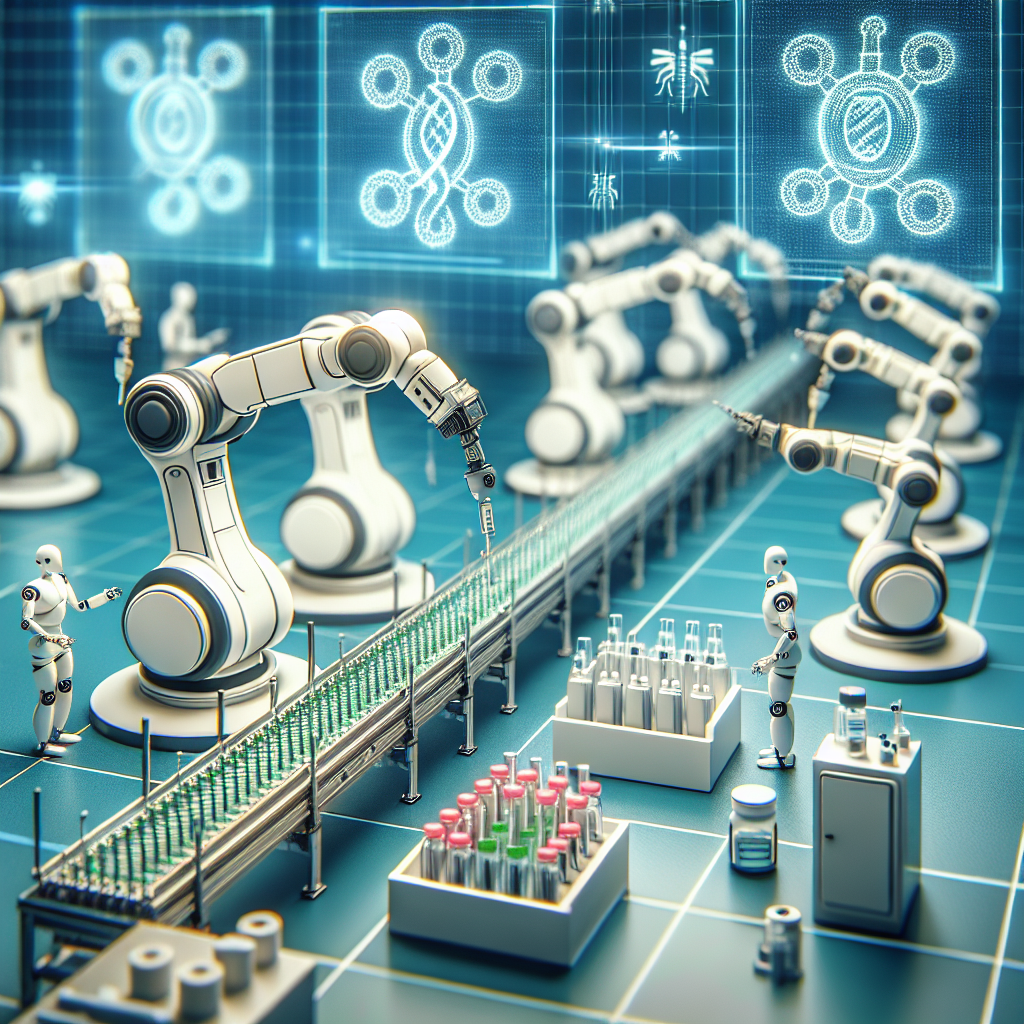
Artificial Intelligence (AI) has been making waves in various industries, and the medical device manufacturing sector is no exception. AI technologies are revolutionizing the way medical devices are designed, produced, and monitored, leading to significant advancements in the field. In this article, we will explore the innovations and impact of AI in medical device manufacturing.
Innovations in AI for Medical Device Manufacturing
1. Product Design: AI algorithms are being used to optimize the design of medical devices, making them more efficient, cost-effective, and user-friendly. By analyzing vast amounts of data, AI can suggest improvements in the design process, leading to the creation of innovative medical devices with enhanced functionalities.
2. Predictive Maintenance: AI-powered predictive maintenance tools can help manufacturers detect potential issues in medical devices before they occur. By analyzing data from sensors and monitoring equipment, AI algorithms can predict when a device is likely to fail and schedule maintenance proactively, reducing downtime and improving overall reliability.
3. Quality Control: AI technologies are being implemented in quality control processes to ensure that medical devices meet regulatory standards and quality requirements. AI-powered image recognition systems can identify defects in devices with high accuracy, leading to improved product quality and reduced waste.
4. Supply Chain Optimization: AI can streamline the supply chain process in medical device manufacturing by predicting demand, optimizing inventory levels, and identifying potential disruptions. By analyzing historical data and market trends, AI algorithms can help manufacturers improve efficiency and reduce costs in the supply chain.
5. Personalized Medicine: AI is enabling the development of personalized medical devices tailored to individual patient needs. By analyzing patient data and genetic information, AI algorithms can recommend personalized treatment options and design custom medical devices that deliver targeted therapies.
Impact of AI in Medical Device Manufacturing
1. Improved Efficiency: AI technologies are streamlining the manufacturing process, reducing lead times, and increasing productivity. By automating repetitive tasks and optimizing workflows, AI can help manufacturers produce medical devices more efficiently and cost-effectively.
2. Enhanced Quality: AI-powered quality control systems are improving the accuracy and reliability of medical devices. By detecting defects early in the production process, AI can ensure that devices meet the highest quality standards, leading to improved patient outcomes and increased trust in the medical device industry.
3. Cost Savings: AI technologies are helping manufacturers identify cost-saving opportunities and optimize resource allocation. By analyzing data and optimizing processes, AI can reduce waste, minimize downtime, and lower production costs, making medical devices more affordable and accessible to patients.
4. Regulatory Compliance: AI-powered systems can help manufacturers ensure regulatory compliance by monitoring and documenting adherence to quality standards. By automating compliance processes and generating audit trails, AI can streamline regulatory approval processes and reduce the risk of non-compliance.
5. Innovation: AI is driving innovation in medical device manufacturing by enabling the development of cutting-edge technologies and solutions. By leveraging AI algorithms and data analytics, manufacturers can design and produce advanced medical devices that address unmet clinical needs and improve patient care.
FAQs
Q: How is AI being used in the design of medical devices?
A: AI algorithms are being used to optimize the design process of medical devices by analyzing data, suggesting improvements, and creating innovative solutions.
Q: How can AI improve quality control in medical device manufacturing?
A: AI-powered image recognition systems can identify defects in devices with high accuracy, leading to improved product quality and reduced waste.
Q: What are the benefits of using AI in predictive maintenance for medical devices?
A: AI-powered predictive maintenance tools can help manufacturers detect potential issues before they occur, reducing downtime and improving overall reliability.
Q: How is AI enabling personalized medicine in medical device manufacturing?
A: AI algorithms can analyze patient data and genetic information to recommend personalized treatment options and design custom medical devices for individual patient needs.
In conclusion, AI is revolutionizing the medical device manufacturing industry by driving innovation, improving efficiency, enhancing quality, and enabling personalized medicine. By leveraging AI technologies, manufacturers can design and produce cutting-edge medical devices that improve patient outcomes and advance the field of healthcare. As AI continues to evolve, the impact on medical device manufacturing is expected to grow, leading to even more significant advancements in the future.