
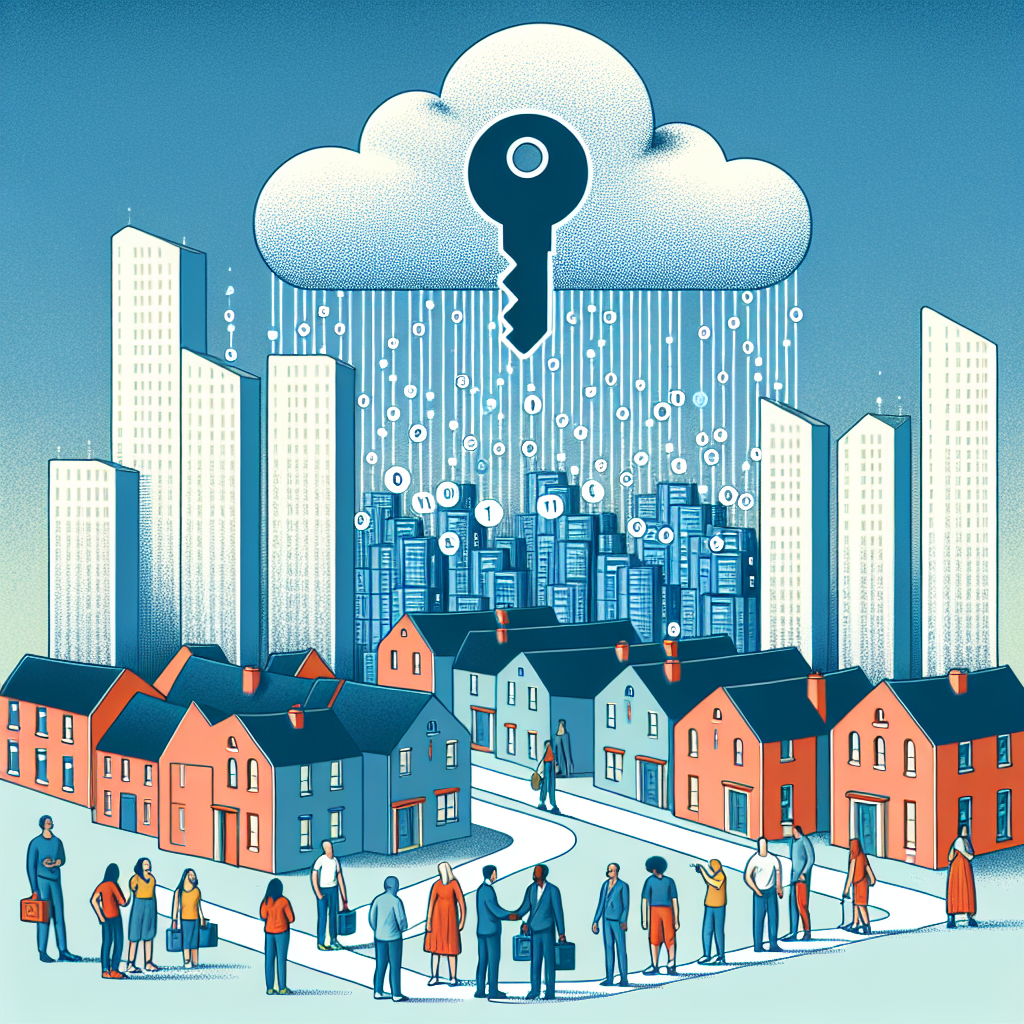
Artificial Intelligence (AI) has the potential to revolutionize many aspects of our society, including the way we address homelessness and provide public housing. In recent years, there has been an increasing interest in using AI technology to help manage and optimize public housing programs, with the goal of providing more efficient and effective services to those in need.
One of the key challenges in addressing homelessness is the lack of affordable and accessible housing options. Public housing programs are often overburdened and understaffed, making it difficult to efficiently match individuals and families with the resources they need. AI has the potential to streamline this process by analyzing data on housing availability, location, and individual needs to help match individuals with suitable housing options more quickly and effectively.
AI can also be used to predict trends in homelessness and identify at-risk individuals before they become homeless. By analyzing data on factors such as income levels, employment status, and housing stability, AI algorithms can help identify individuals who are at risk of becoming homeless and provide targeted interventions to prevent homelessness before it occurs.
Another way AI can help address homelessness is by optimizing the allocation of resources within public housing programs. By analyzing data on the usage of resources such as housing units, support services, and funding, AI algorithms can help public housing agencies make more informed decisions about resource allocation, ensuring that resources are being used efficiently and effectively to support those in need.
In addition to improving the efficiency and effectiveness of public housing programs, AI can also help improve the quality of services provided to individuals experiencing homelessness. For example, AI-powered chatbots can provide information and assistance to individuals in need, helping them navigate the complex process of accessing housing and support services. AI can also be used to analyze feedback from individuals receiving services and identify areas for improvement, helping public housing agencies continuously improve the quality of their services.
Overall, AI has the potential to revolutionize the way we address homelessness and provide public housing, making the process more efficient, effective, and humane. By harnessing the power of AI technology, public housing agencies can better meet the needs of individuals experiencing homelessness and work towards ending homelessness for good.
FAQs:
1. How can AI help address homelessness in public housing?
AI can help address homelessness in public housing by analyzing data on housing availability, individual needs, and trends in homelessness to help match individuals with suitable housing options more quickly and effectively. AI can also be used to predict trends in homelessness and identify at-risk individuals before they become homeless, as well as optimize the allocation of resources within public housing programs to ensure that resources are being used efficiently and effectively to support those in need.
2. How can AI improve the quality of services provided to individuals experiencing homelessness?
AI can improve the quality of services provided to individuals experiencing homelessness by providing information and assistance through AI-powered chatbots, helping individuals navigate the complex process of accessing housing and support services. AI can also analyze feedback from individuals receiving services to identify areas for improvement, helping public housing agencies continuously improve the quality of their services.
3. What are the potential benefits of using AI in public housing programs?
The potential benefits of using AI in public housing programs include improved efficiency and effectiveness in matching individuals with housing options, predicting trends in homelessness and identifying at-risk individuals, optimizing the allocation of resources within public housing programs, and improving the quality of services provided to individuals experiencing homelessness.
4. Are there any potential drawbacks or challenges to using AI in public housing programs?
Some potential drawbacks or challenges to using AI in public housing programs include concerns about data privacy and security, the need for adequate training and resources to implement and maintain AI systems, and the potential for bias in AI algorithms if not properly designed and monitored. It is important for public housing agencies to carefully consider these factors when implementing AI technology in their programs.