
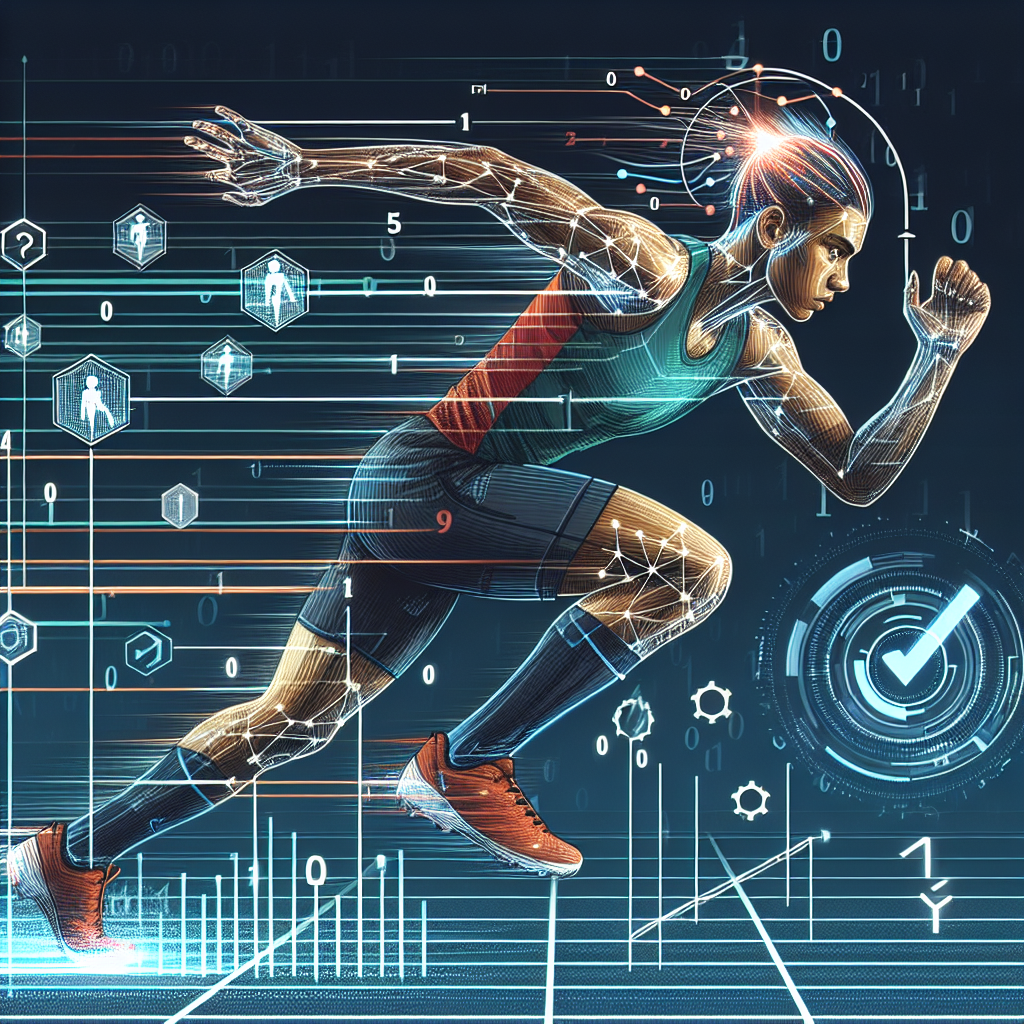
Advancements in technology have revolutionized the way sports biomechanics analysis is conducted, with artificial intelligence (AI) playing a key role in enhancing the accuracy and efficiency of analyzing athletes’ movements. By utilizing AI algorithms and machine learning techniques, sports scientists and coaches are able to gain valuable insights into an athlete’s performance, pinpoint areas for improvement, and optimize training programs to maximize results.
AI in Sports Biomechanics Analysis
In sports biomechanics analysis, AI is used to process and analyze data collected from various sensors and motion capture devices to provide detailed insights into an athlete’s movements. By combining biomechanical principles with AI algorithms, coaches and sports scientists can track and measure key performance indicators such as speed, acceleration, force, and joint angles to gain a better understanding of an athlete’s technique and efficiency.
One of the key benefits of using AI in sports biomechanics analysis is the ability to analyze large volumes of data quickly and accurately. Traditional biomechanical analysis methods require manual data processing, which can be time-consuming and prone to human error. AI-powered software can automate the data analysis process, allowing coaches and scientists to focus on interpreting the results and making informed decisions based on the insights provided.
AI algorithms can also identify patterns and trends in an athlete’s movements that may not be immediately apparent to the naked eye. By analyzing thousands of data points in real-time, AI can detect subtle changes in technique or form that may impact an athlete’s performance and risk of injury. This level of detail and precision is invaluable for coaches and sports scientists seeking to optimize an athlete’s training program and maximize their potential.
Another advantage of AI in sports biomechanics analysis is the ability to provide personalized feedback and recommendations to individual athletes. By comparing an athlete’s movements to biomechanical models and performance benchmarks, AI-powered software can highlight areas for improvement and suggest specific drills or exercises to address weaknesses and enhance performance. This tailored approach to training can help athletes make targeted improvements and achieve their goals more effectively.
FAQs
Q: How does AI in sports biomechanics analysis differ from traditional methods?
A: AI in sports biomechanics analysis utilizes advanced algorithms and machine learning techniques to process and analyze data collected from sensors and motion capture devices. This allows for faster, more accurate analysis of an athlete’s movements compared to traditional methods, which rely on manual data processing and interpretation.
Q: What types of data can AI analyze in sports biomechanics analysis?
A: AI can analyze various types of data collected from sensors and motion capture devices, including speed, acceleration, force, joint angles, and body positions. By processing and interpreting this data, AI algorithms can provide insights into an athlete’s technique, efficiency, and performance.
Q: How can AI-powered software benefit athletes and coaches?
A: AI-powered software can benefit athletes and coaches by providing detailed insights into an athlete’s movements, highlighting areas for improvement, and suggesting personalized training programs to optimize performance. By leveraging AI technology, athletes can make targeted improvements and coaches can design more effective training programs to help athletes reach their full potential.
Q: Is AI in sports biomechanics analysis only for elite athletes?
A: While AI in sports biomechanics analysis is commonly used by elite athletes and professional sports teams, the technology is becoming more accessible to athletes of all levels. By utilizing affordable sensors and motion capture devices, athletes and coaches at all levels can benefit from the insights provided by AI-powered software to improve their performance and prevent injuries.
Q: What are some examples of AI applications in sports biomechanics analysis?
A: Some examples of AI applications in sports biomechanics analysis include gait analysis for runners, motion analysis for golf swings, and technique analysis for weightlifters. By using AI algorithms to process and analyze biomechanical data, athletes and coaches can gain valuable insights into their movements and make informed decisions to enhance performance and prevent injuries.