
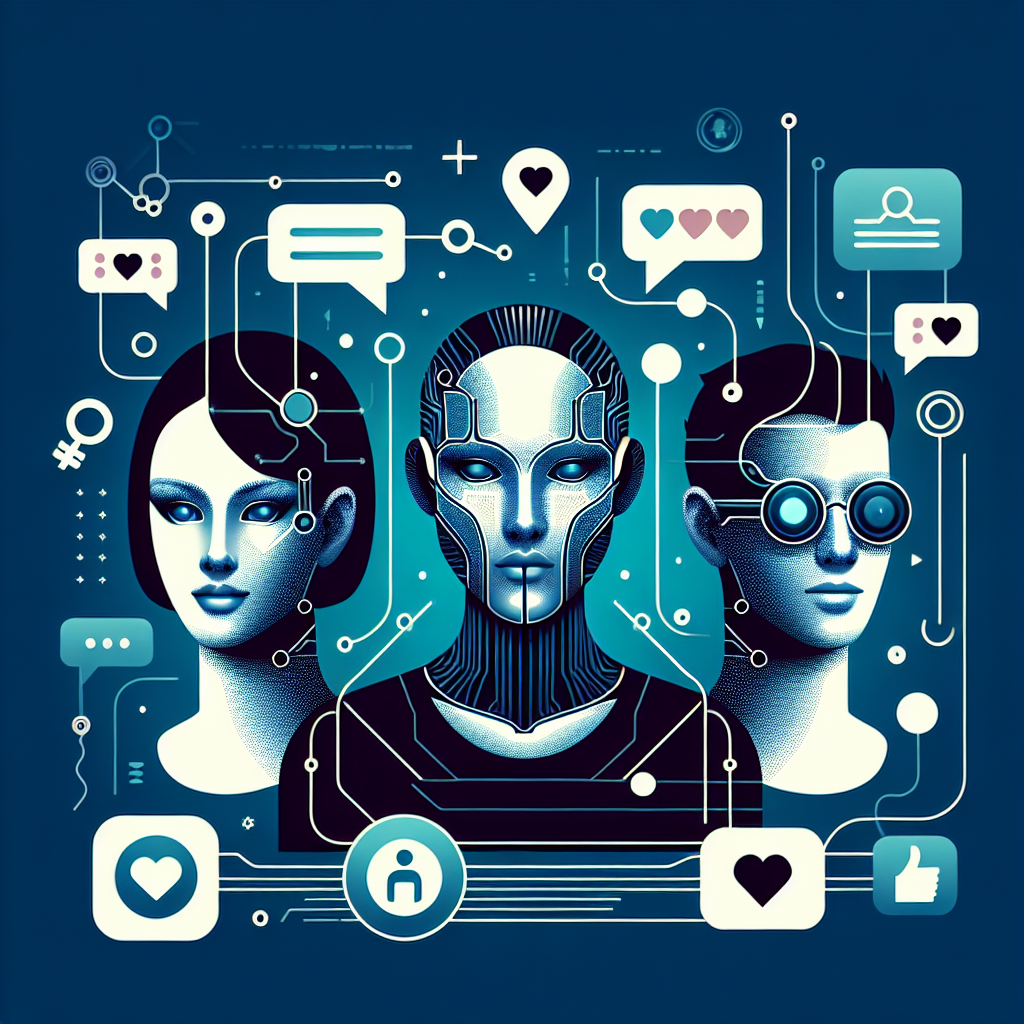
In today’s digital age, social media influencers have become a powerful force in shaping consumer behavior and trends. From fashion and beauty to travel and fitness, influencers have the ability to reach millions of followers and influence their purchasing decisions. However, a new type of influencer is emerging in the social media landscape – AI influencers.
AI influencers are virtual personalities created using artificial intelligence technology. These virtual influencers are designed to look and act like real people, with their own unique personalities, interests, and style. They are able to engage with followers, create content, and promote products just like human influencers, but with the added advantage of being available 24/7 and never getting tired or needing a break.
One of the most famous AI influencers is Lil Miquela, a virtual influencer with over 3 million followers on Instagram. She has collaborated with major brands such as Prada, Calvin Klein, and Samsung, and has even released her own music singles. With her perfectly curated feed and engaging content, Lil Miquela has become a social media sensation, blurring the lines between reality and virtuality.
But what exactly are AI influencers, and how are they changing the social media landscape? In this article, we will explore the rise of AI influencers, their impact on the industry, and what the future holds for this new breed of social media personalities.
The Rise of AI Influencers
The concept of AI influencers first gained popularity in 2016 with the launch of Lil Miquela. Since then, a number of other AI influencers have emerged, each with their own unique style and personality. These virtual influencers are created by companies specializing in artificial intelligence and computer-generated imagery, who work to make them as lifelike and engaging as possible.
AI influencers have the ability to connect with audiences on a deeper level than traditional influencers, as they are not constrained by the limitations of human behavior. They can be programmed to have the perfect personality, always be on trend, and never make mistakes or have off days. This makes them highly appealing to brands looking for reliable and consistent spokespeople for their products.
AI influencers also have the advantage of being able to reach a global audience instantly, as they are not bound by location or time zones. This means that brands can target specific demographics and markets with precision, maximizing the impact of their marketing campaigns.
The Impact of AI Influencers on the Industry
The rise of AI influencers has had a significant impact on the social media industry, changing the way brands and consumers interact with content. With their ability to create engaging and visually stunning content, AI influencers have raised the bar for what is considered high-quality social media marketing.
Brands are increasingly turning to AI influencers to promote their products, as they offer a cost-effective and efficient way to reach a large audience. AI influencers can also be used to create content that is tailored to specific audiences, increasing the likelihood of engagement and conversion.
However, the rise of AI influencers has also raised questions about the authenticity of influencer marketing. While traditional influencers are real people with real opinions and experiences, AI influencers are programmed to act in a certain way and promote certain products. This has led some to question the credibility of AI influencers and the impact they have on consumer behavior.
Despite these concerns, AI influencers continue to gain popularity and influence in the social media space. With their ability to create engaging content, reach a global audience, and provide a consistent brand message, AI influencers are poised to become a major force in the industry for years to come.
The Future of AI Influencers
As technology continues to advance, the future of AI influencers looks bright. Companies are constantly working to improve the capabilities of AI influencers, making them even more lifelike and engaging. This could lead to AI influencers becoming even more integrated into our daily lives, from providing customer service and product recommendations to creating personalized content tailored to individual preferences.
AI influencers also have the potential to revolutionize the way brands engage with consumers. By using AI technology to analyze data and trends, brands can create highly targeted marketing campaigns that resonate with their target audience. This could lead to a more personalized and engaging experience for consumers, increasing brand loyalty and sales.
However, the rise of AI influencers also raises ethical questions about the impact of artificial intelligence on society. As AI technology becomes more advanced, there is a concern that AI influencers could replace human influencers entirely, leading to job loss and a loss of authenticity in the influencer marketing industry.
FAQs
What is the difference between AI influencers and traditional influencers?
AI influencers are virtual personalities created using artificial intelligence technology, while traditional influencers are real people who promote products and create content on social media. AI influencers have the advantage of being available 24/7, never getting tired or needing a break, and can reach a global audience instantly. However, traditional influencers have the advantage of being real people with real opinions and experiences, which can make their content more relatable and authentic.
How do AI influencers create content?
AI influencers are programmed to create content based on specific algorithms and data analysis. They can be designed to have specific interests, style preferences, and personality traits, which are used to inform the type of content they create. AI influencers can create a wide range of content, from photos and videos to music and written posts, all tailored to engage their audience and promote products.
Are AI influencers ethical?
The rise of AI influencers has raised ethical questions about the impact of artificial intelligence on society. Some are concerned that AI influencers could replace human influencers entirely, leading to job loss and a loss of authenticity in the influencer marketing industry. However, others argue that AI influencers are simply a new form of technology that can be used to enhance the way brands engage with consumers, providing more personalized and targeted marketing campaigns.
In conclusion, AI influencers are the new faces of social media, changing the way brands and consumers interact with content. With their ability to create engaging and visually stunning content, reach a global audience instantly, and provide a consistent brand message, AI influencers are poised to become a major force in the industry for years to come. Despite ethical concerns, the rise of AI influencers shows no signs of slowing down, as companies continue to invest in this technology to improve the capabilities of virtual influencers.