
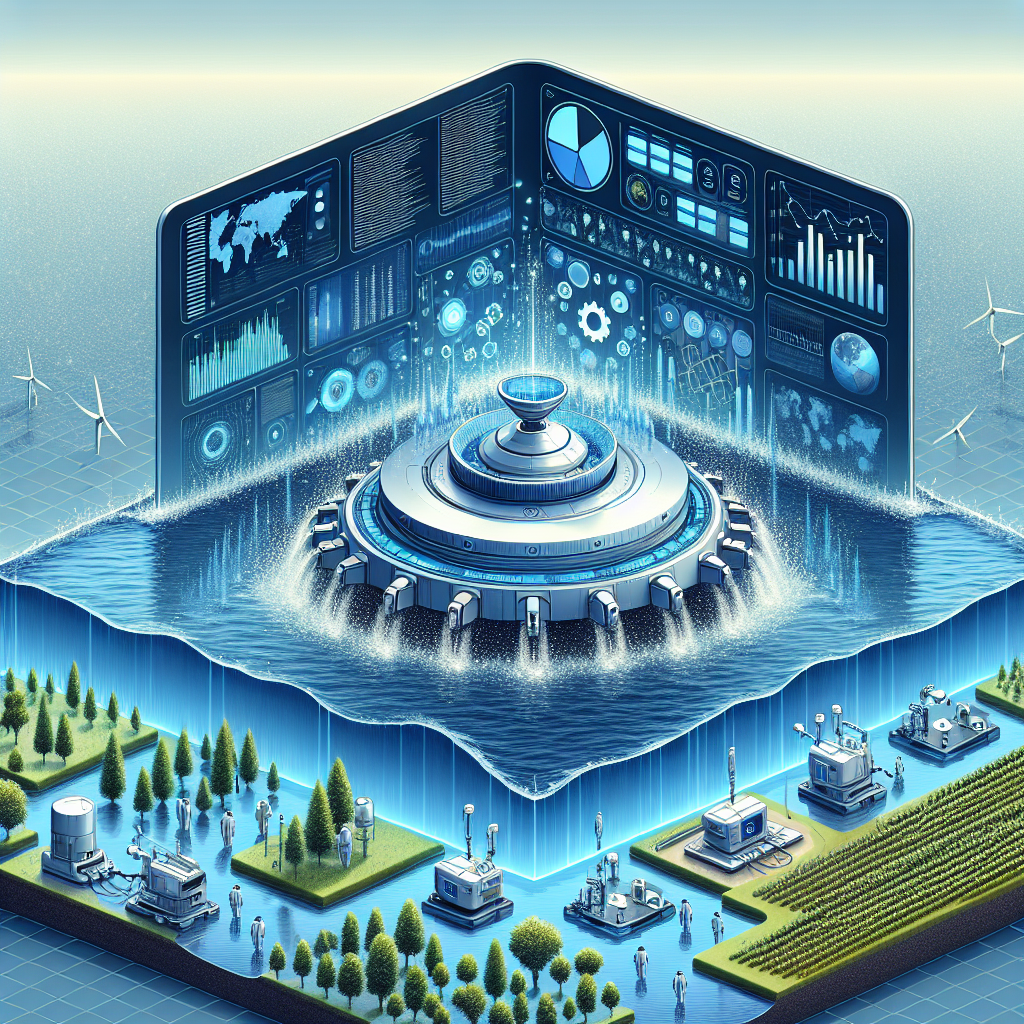
In recent years, the use of artificial intelligence (AI) technology has been on the rise in various industries, including water conservation. AI innovations are revolutionizing the way we manage and conserve water resources, helping to address the growing challenges of water scarcity and sustainability. From smart irrigation systems to leak detection technologies, AI is playing a crucial role in optimizing water usage and preserving this precious natural resource.
One of the key areas where AI is making a significant impact on water conservation is in the agricultural sector. Agriculture accounts for a large portion of global water consumption, and optimizing irrigation practices is essential for sustainable water management. AI-powered smart irrigation systems use sensors and data analytics to monitor soil moisture levels, weather conditions, and crop water requirements in real-time. This allows farmers to precisely control the amount of water delivered to their crops, minimizing water waste and maximizing crop yields.
Another innovative use of AI in water conservation is in leak detection and water infrastructure management. Aging water infrastructure is a major issue in many cities around the world, leading to significant water losses due to leaks and pipe bursts. AI algorithms can analyze data from sensors, satellite imagery, and historical water usage patterns to identify potential leaks and prioritize maintenance activities. This proactive approach to water infrastructure management helps utilities to reduce water losses, improve system efficiency, and save costs.
In addition to smart irrigation and leak detection, AI is also being used to optimize water treatment processes and enhance water quality monitoring. Water treatment plants can benefit from AI algorithms that optimize chemical dosing, energy consumption, and overall plant efficiency. AI can also analyze water quality data from sensors and IoT devices to detect contaminants, monitor water quality parameters, and ensure compliance with regulatory standards. By leveraging AI technology, water utilities can improve the quality of their drinking water supply and enhance public health protection.
Overall, the integration of AI innovations into water conservation practices offers numerous benefits, including improved water efficiency, reduced water losses, enhanced infrastructure resilience, and better water quality management. As water scarcity becomes an increasingly pressing issue, AI technology provides a powerful tool to help us address the challenges of water conservation and sustainability.
Frequently Asked Questions (FAQs) about AI Innovations for Water Conservation:
Q: How does AI help in optimizing irrigation practices?
A: AI-powered smart irrigation systems use sensors and data analytics to monitor soil moisture levels, weather conditions, and crop water requirements in real-time. This allows farmers to precisely control the amount of water delivered to their crops, minimizing water waste and maximizing crop yields.
Q: How can AI help in detecting leaks in water infrastructure?
A: AI algorithms can analyze data from sensors, satellite imagery, and historical water usage patterns to identify potential leaks and prioritize maintenance activities. This proactive approach to water infrastructure management helps utilities to reduce water losses, improve system efficiency, and save costs.
Q: What are the benefits of using AI in water treatment processes?
A: AI technology can optimize chemical dosing, energy consumption, and overall plant efficiency in water treatment plants. AI can also analyze water quality data from sensors and IoT devices to detect contaminants, monitor water quality parameters, and ensure compliance with regulatory standards.
Q: How can AI technology improve water quality monitoring?
A: AI can analyze water quality data from sensors and IoT devices to detect contaminants, monitor water quality parameters, and ensure compliance with regulatory standards. By leveraging AI technology, water utilities can improve the quality of their drinking water supply and enhance public health protection.
Q: What are some examples of AI innovations in water conservation?
A: Some examples of AI innovations in water conservation include smart irrigation systems, leak detection technologies, water infrastructure management tools, and water quality monitoring solutions. These AI-powered technologies help to optimize water usage, reduce water losses, and enhance water quality management.