
Introduction
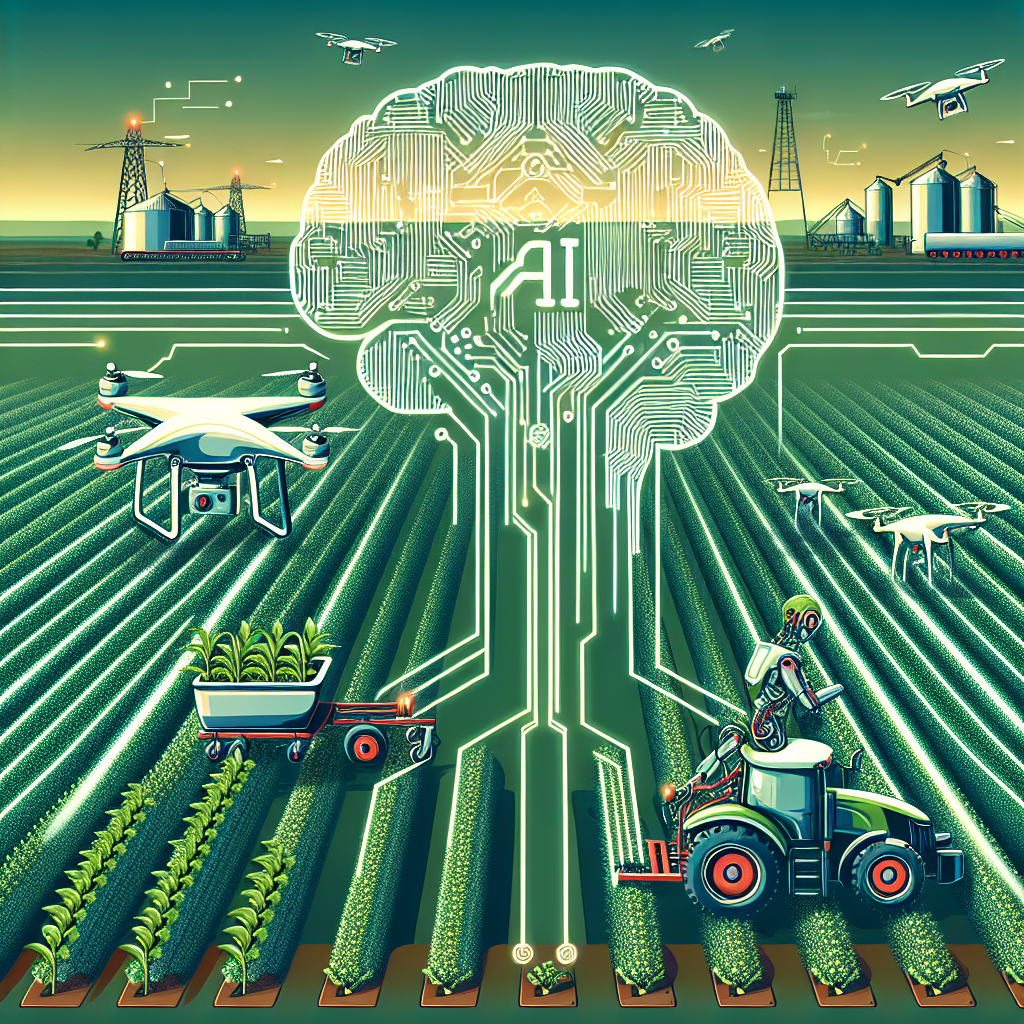
Artificial Intelligence (AI) has revolutionized various industries, and agriculture is no exception. By integrating AI technologies into agricultural practices, farmers can improve efficiency, increase productivity, and make more informed decisions. From crop monitoring to irrigation management, AI is transforming the way we grow and produce food. In this article, we will explore how AI integration is enhancing agricultural practices and revolutionizing the farming industry.
AI Integration in Agriculture
AI technologies such as machine learning, computer vision, and data analytics are being used in various aspects of agriculture to streamline operations and optimize resources. Some of the key areas where AI integration is making a significant impact include:
1. Precision Farming: AI technologies enable farmers to collect and analyze data on soil quality, weather conditions, crop growth, and pest infestations. By using AI-powered sensors and drones, farmers can monitor their fields in real-time and make data-driven decisions to optimize crop yields.
2. Crop Monitoring: AI algorithms can analyze satellite images and drone footage to identify crop health, detect diseases, and assess the need for fertilizers or pesticides. By monitoring crops at a granular level, farmers can address issues early on and prevent crop losses.
3. Irrigation Management: AI-powered systems can optimize irrigation schedules based on soil moisture levels, weather forecasts, and crop water requirements. By automating irrigation processes, farmers can conserve water, reduce costs, and improve crop yields.
4. Yield Prediction: AI algorithms can analyze historical data, weather patterns, and soil conditions to predict crop yields with high accuracy. By forecasting yields, farmers can better plan their harvests, manage supply chains, and optimize storage and transportation.
5. Pest Control: AI technologies can identify pest infestations early on by analyzing data from sensors, drones, and cameras. By detecting pests at an early stage, farmers can take targeted actions to control infestations and minimize crop damage.
6. Supply Chain Optimization: AI-powered systems can optimize supply chain processes by predicting demand, managing inventory, and streamlining logistics. By automating supply chain operations, farmers can reduce costs, improve efficiency, and deliver fresh produce to consumers faster.
Benefits of AI Integration in Agriculture
The integration of AI technologies in agriculture offers numerous benefits for farmers, consumers, and the environment. Some of the key benefits include:
1. Increased Productivity: AI-powered systems help farmers optimize resources, improve crop yields, and reduce waste. By making data-driven decisions, farmers can maximize productivity and profitability.
2. Cost Savings: AI technologies enable farmers to automate repetitive tasks, optimize resource allocation, and reduce operational costs. By streamlining operations, farmers can save time and money while increasing efficiency.
3. Sustainable Practices: AI integration in agriculture promotes sustainable farming practices by optimizing water usage, reducing chemical inputs, and minimizing environmental impact. By using AI technologies, farmers can improve soil health, conserve natural resources, and protect biodiversity.
4. Enhanced Decision-Making: AI technologies provide farmers with real-time data, predictive analytics, and actionable insights to make informed decisions. By leveraging AI-powered tools, farmers can respond quickly to changing conditions and mitigate risks.
5. Improved Quality and Safety: AI integration in agriculture ensures the production of high-quality, safe, and nutritious food for consumers. By monitoring crops, detecting contaminants, and ensuring compliance with regulations, AI technologies help maintain food safety standards.
FAQs
Q: What is AI integration in agriculture?
A: AI integration in agriculture refers to the use of artificial intelligence technologies such as machine learning, computer vision, and data analytics to enhance farming practices. By leveraging AI-powered tools, farmers can optimize resources, increase productivity, and make informed decisions.
Q: How does AI technology benefit farmers?
A: AI technologies benefit farmers by increasing productivity, reducing costs, promoting sustainable practices, enhancing decision-making, and improving quality and safety. By integrating AI tools into agricultural practices, farmers can streamline operations, optimize resources, and achieve better outcomes.
Q: What are some examples of AI applications in agriculture?
A: Some examples of AI applications in agriculture include precision farming, crop monitoring, irrigation management, yield prediction, pest control, and supply chain optimization. By using AI technologies, farmers can monitor crops, optimize irrigation schedules, predict yields, control pests, and streamline supply chain processes.
Q: How can farmers integrate AI technologies into their operations?
A: Farmers can integrate AI technologies into their operations by investing in AI-powered sensors, drones, cameras, and software tools. By collecting and analyzing data on soil quality, weather conditions, crop health, and pest infestations, farmers can make data-driven decisions to optimize resources and improve productivity.
Q: What are the challenges of AI integration in agriculture?
A: Some of the challenges of AI integration in agriculture include the high cost of AI technologies, the lack of technical expertise among farmers, data privacy and security concerns, and regulatory barriers. However, with proper training, support, and collaboration, farmers can overcome these challenges and harness the benefits of AI integration in agriculture.
Conclusion
AI integration is revolutionizing agricultural practices by enabling farmers to optimize resources, increase productivity, and make informed decisions. By leveraging AI technologies such as machine learning, computer vision, and data analytics, farmers can monitor crops, manage irrigation, predict yields, control pests, and optimize supply chains. The benefits of AI integration in agriculture include increased productivity, cost savings, sustainable practices, enhanced decision-making, and improved quality and safety. With the right tools, training, and support, farmers can harness the power of AI to transform the way we grow and produce food.