
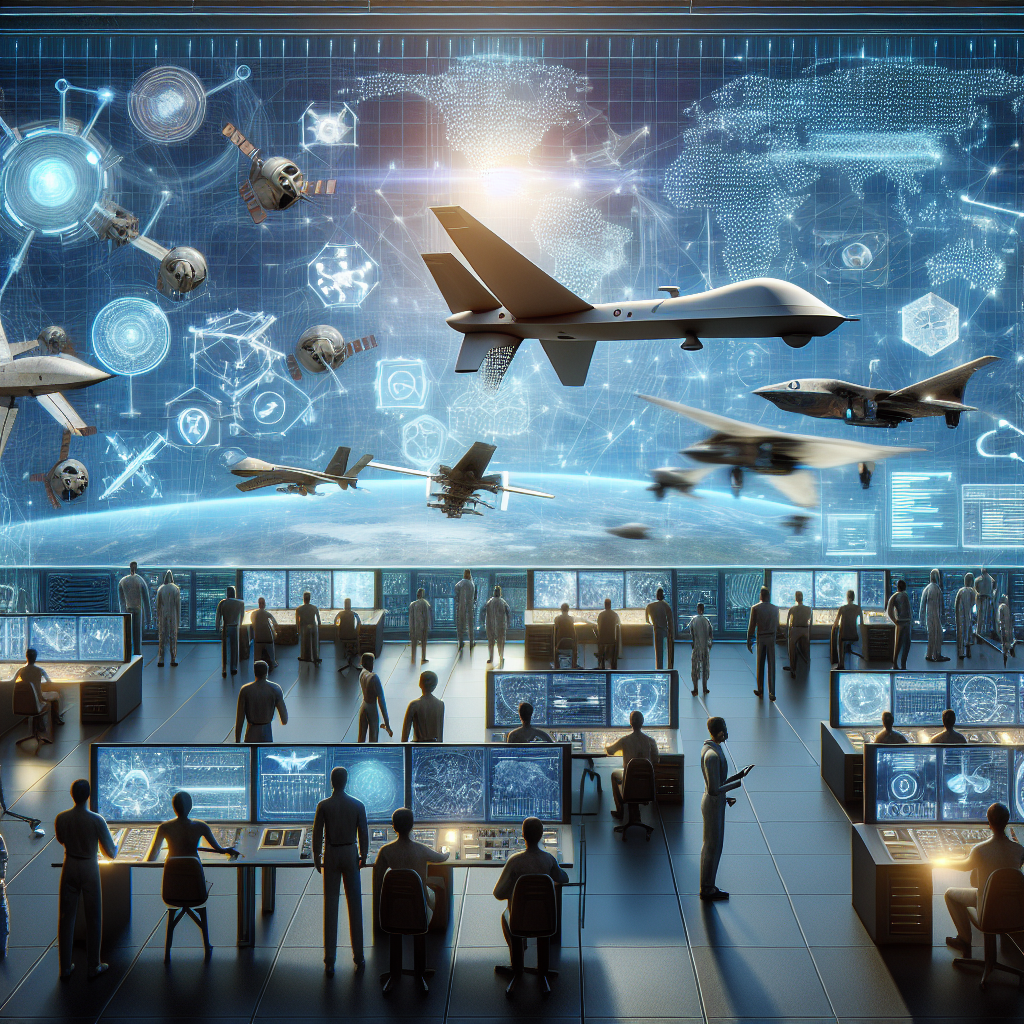
AI Integration in Aerospace and Defense
Artificial Intelligence (AI) is revolutionizing the aerospace and defense industry by enhancing decision-making processes, improving operational efficiency, and increasing the overall safety and security of military and commercial aircraft. AI technologies such as machine learning, natural language processing, and computer vision are being integrated into various aspects of aerospace and defense operations, from flight navigation to maintenance and logistics. In this article, we will explore the impact of AI integration in the aerospace and defense sector and discuss the benefits, challenges, and future prospects of this technology.
Benefits of AI Integration in Aerospace and Defense
1. Improved Decision-Making: AI algorithms can process vast amounts of data in real-time, enabling faster and more accurate decision-making. In the aerospace and defense industry, this capability is critical for mission planning, threat detection, and emergency response. AI-powered systems can analyze complex scenarios and provide recommendations to pilots, commanders, and other decision-makers, helping them respond effectively to changing conditions.
2. Enhanced Safety and Security: AI technologies can help detect and prevent potential risks and threats, improving the safety and security of aircraft and military assets. For example, AI-powered sensors can identify anomalies in flight data or detect unauthorized access to critical systems, allowing operators to take immediate action to mitigate risks. AI also plays a vital role in cybersecurity, helping to protect sensitive information and infrastructure from cyber threats.
3. Increased Efficiency: AI integration in aerospace and defense operations can streamline processes and reduce operational costs. For instance, AI-powered predictive maintenance systems can proactively identify equipment failures before they occur, minimizing downtime and maintenance expenses. AI algorithms can also optimize flight routes, fuel consumption, and other operational parameters, leading to significant cost savings for airlines and military organizations.
4. Autonomous Systems: AI technologies are driving the development of autonomous aircraft and unmanned aerial vehicles (UAVs) in the aerospace and defense industry. These autonomous systems can perform a wide range of tasks, such as surveillance, reconnaissance, and cargo delivery, without human intervention. AI-powered drones are being used by military and commercial organizations for various applications, including border patrolling, disaster response, and package delivery.
Challenges of AI Integration in Aerospace and Defense
1. Data Quality and Security: AI algorithms rely on high-quality data to make accurate predictions and decisions. In the aerospace and defense industry, ensuring the quality and security of data is essential to the success of AI integration. Organizations must address data privacy concerns, data bias issues, and cybersecurity threats to maintain the integrity of AI-powered systems.
2. Regulatory Compliance: The aerospace and defense sector is highly regulated, with strict standards and guidelines for safety, security, and operational practices. Integrating AI technologies into existing systems requires compliance with regulatory requirements and certification processes. Organizations must demonstrate the safety and reliability of AI-powered systems to gain approval from regulatory authorities.
3. Skill Gap: AI integration in aerospace and defense operations requires specialized skills and expertise in data science, machine learning, and AI technologies. Organizations may face challenges in recruiting and retaining talent with the necessary skills to develop and implement AI solutions. Training programs and collaboration with academic institutions can help bridge the skill gap and build a workforce capable of leveraging AI in aerospace and defense.
4. Ethical and Legal Issues: AI technologies raise ethical and legal concerns related to autonomy, accountability, and transparency. Autonomous systems powered by AI may raise questions about responsibility in case of accidents or errors. Organizations must establish ethical guidelines and legal frameworks to govern the use of AI in aerospace and defense operations, ensuring compliance with ethical standards and legal regulations.
Future Prospects of AI Integration in Aerospace and Defense
The future of AI integration in the aerospace and defense industry holds great promise for innovation and advancement. AI technologies are expected to play a crucial role in shaping the future of air transportation, military operations, and space exploration. Some key trends and developments in AI integration in aerospace and defense include:
1. AI-Powered Cockpits: AI technologies are being integrated into aircraft cockpits to assist pilots in decision-making, navigation, and communication. AI-powered systems can analyze flight data, weather conditions, and airspace congestion to provide real-time recommendations to pilots, enhancing situational awareness and safety during flights.
2. Autonomous Aerial Vehicles: The development of autonomous aerial vehicles, such as drones and UAVs, is accelerating with advancements in AI technologies. These autonomous systems can perform a wide range of tasks, from surveillance and reconnaissance to cargo delivery and emergency response. AI-enabled drones are being deployed by military and commercial organizations for various applications, transforming the way aerial operations are conducted.
3. Predictive Maintenance: AI-powered predictive maintenance systems are revolutionizing aircraft maintenance practices by identifying potential equipment failures before they occur. These systems use machine learning algorithms to analyze sensor data, maintenance records, and historical performance data to predict maintenance needs and schedule proactive repairs. Predictive maintenance can reduce downtime, minimize maintenance costs, and improve overall aircraft reliability.
4. Cybersecurity and Threat Detection: AI technologies are playing a critical role in cybersecurity and threat detection in the aerospace and defense sector. AI-powered systems can analyze network traffic, detect anomalies, and respond to cyber threats in real-time, enhancing the security of critical infrastructure and sensitive information. AI algorithms can also identify potential threats in air traffic data, helping operators mitigate risks and ensure the safety of flights.
5. Space Exploration: AI integration in space exploration is expanding the capabilities of spacecraft and satellites for scientific research, communication, and navigation. AI technologies are being used to optimize spacecraft trajectories, analyze space data, and support autonomous operations in space. AI-powered systems are enabling new opportunities for exploration and discovery in the space domain, driving innovation in aerospace and defense.
FAQs
Q: What are the key applications of AI in aerospace and defense?
A: AI technologies are being used in various applications in the aerospace and defense industry, including predictive maintenance, autonomous systems, cybersecurity, and mission planning. AI-powered systems can enhance decision-making, improve operational efficiency, and increase safety and security in aerospace and defense operations.
Q: How is AI integration improving aircraft maintenance practices?
A: AI-powered predictive maintenance systems are transforming aircraft maintenance practices by predicting equipment failures before they occur. These systems analyze sensor data, maintenance records, and historical performance data to identify maintenance needs and schedule proactive repairs, reducing downtime and maintenance costs.
Q: What are the challenges of AI integration in aerospace and defense operations?
A: Some of the key challenges of AI integration in aerospace and defense operations include data quality and security, regulatory compliance, skill gap, and ethical and legal issues. Organizations must address these challenges to successfully implement AI technologies in their operations.
Q: What is the future of AI integration in the aerospace and defense industry?
A: The future of AI integration in the aerospace and defense industry holds great promise for innovation and advancement. AI technologies are expected to play a crucial role in shaping the future of air transportation, military operations, and space exploration, driving new opportunities for growth and development in the sector.