
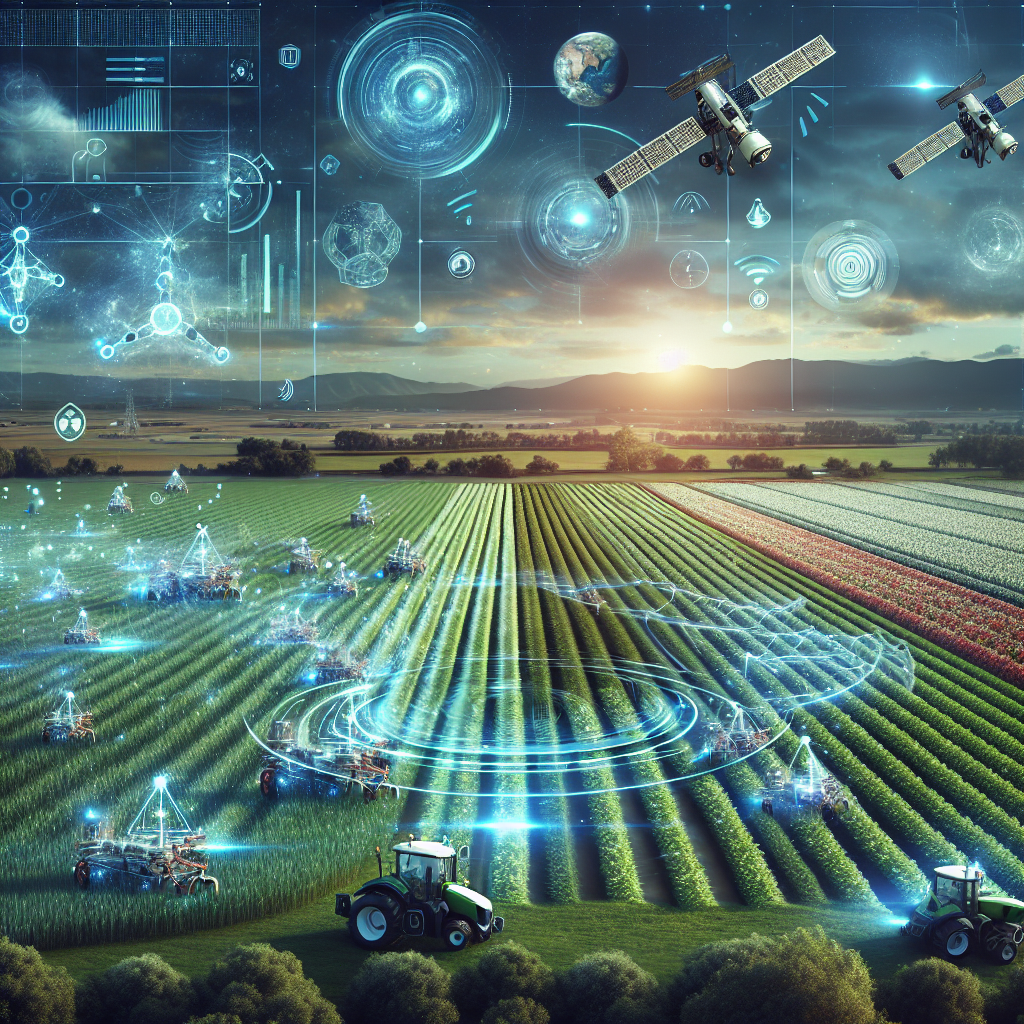
AI Integration in Agriculture: The Future of Farming
Introduction
In recent years, the agriculture industry has been undergoing a digital revolution with the integration of artificial intelligence (AI) technologies. AI has the potential to revolutionize farming practices by providing farmers with valuable insights, optimizing production processes, and improving overall efficiency. From precision agriculture to automated harvesting, AI is transforming the way we grow and produce food. In this article, we will explore the various ways AI is being integrated into agriculture and its potential impact on the future of farming.
Benefits of AI Integration in Agriculture
1. Precision Agriculture: One of the key benefits of AI in agriculture is precision farming. AI-powered drones, sensors, and satellite imagery can provide farmers with real-time data on crop health, soil moisture levels, and pest infestations. This allows farmers to make data-driven decisions on irrigation, fertilization, and pest control, leading to higher yields and reduced resource wastage.
2. Predictive Analytics: AI can also help farmers predict crop yields, market trends, and weather patterns. By analyzing historical data and real-time information, AI algorithms can provide accurate forecasts and recommendations to help farmers plan their planting schedules, optimize crop rotations, and mitigate risks.
3. Automated Farming Equipment: AI-powered robots and autonomous vehicles are increasingly being used in agriculture to perform tasks such as planting, weeding, and harvesting. These technologies can work around the clock, without the need for breaks or rest, improving productivity and reducing labor costs.
4. Crop Monitoring and Disease Detection: AI can analyze images and videos of crops to detect diseases, pests, and nutrient deficiencies. By identifying problems early on, farmers can take corrective actions to prevent crop losses and reduce the need for chemical treatments.
5. Supply Chain Optimization: AI can optimize the entire supply chain, from farm to fork, by tracking and analyzing data on crop production, transportation, storage, and distribution. This can help reduce food waste, improve traceability, and ensure the quality and safety of agricultural products.
Challenges and Limitations
While the benefits of AI integration in agriculture are undeniable, there are also challenges and limitations that need to be addressed. Some of the key challenges include:
1. Cost: The initial investment in AI technologies can be high, especially for small-scale farmers. Additionally, ongoing maintenance and training costs can add up over time, making it difficult for some farmers to adopt AI solutions.
2. Data Privacy and Security: AI systems rely on vast amounts of data to operate effectively. This raises concerns about data privacy and security, especially when sensitive information such as crop yields, financial records, and personal data is involved.
3. Skills Gap: Many farmers may lack the technical skills and knowledge required to implement and use AI technologies effectively. Training programs and support services are needed to help farmers overcome this skills gap and fully leverage the potential of AI in agriculture.
4. Regulatory Issues: There may be regulatory barriers to the adoption of AI in agriculture, such as restrictions on the use of drones, robots, and other autonomous technologies. Policymakers need to create a supportive environment that encourages innovation while ensuring the safety and sustainability of agricultural practices.
5. Ethical Concerns: The use of AI in agriculture raises ethical issues related to data ownership, algorithm bias, and job displacement. Farmers and policymakers need to address these concerns to ensure that AI technologies are used responsibly and ethically.
FAQs
Q: What is AI integration in agriculture?
A: AI integration in agriculture refers to the use of artificial intelligence technologies such as machine learning, computer vision, and robotics to improve farming practices, increase productivity, and optimize resource use.
Q: What are some examples of AI applications in agriculture?
A: Some examples of AI applications in agriculture include precision farming, predictive analytics, automated farming equipment, crop monitoring, disease detection, and supply chain optimization.
Q: How can AI help farmers improve crop yields?
A: AI can help farmers improve crop yields by providing real-time data on crop health, soil conditions, and weather patterns. This information allows farmers to make data-driven decisions on irrigation, fertilization, and pest control, leading to higher yields and reduced resource wastage.
Q: What are the challenges of AI integration in agriculture?
A: Some of the challenges of AI integration in agriculture include cost, data privacy and security, skills gap, regulatory issues, and ethical concerns.
Q: How can farmers overcome the challenges of AI integration in agriculture?
A: Farmers can overcome the challenges of AI integration in agriculture by seeking financial support, training programs, and technical assistance from government agencies, agricultural organizations, and technology providers.
Conclusion
AI integration in agriculture holds great promise for the future of farming. By harnessing the power of artificial intelligence, farmers can improve productivity, sustainability, and profitability. While there are challenges and limitations to overcome, the potential benefits of AI in agriculture are too significant to ignore. With the right support and investment, AI technologies can help revolutionize the way we grow and produce food, ensuring a more sustainable and secure food supply for future generations.