
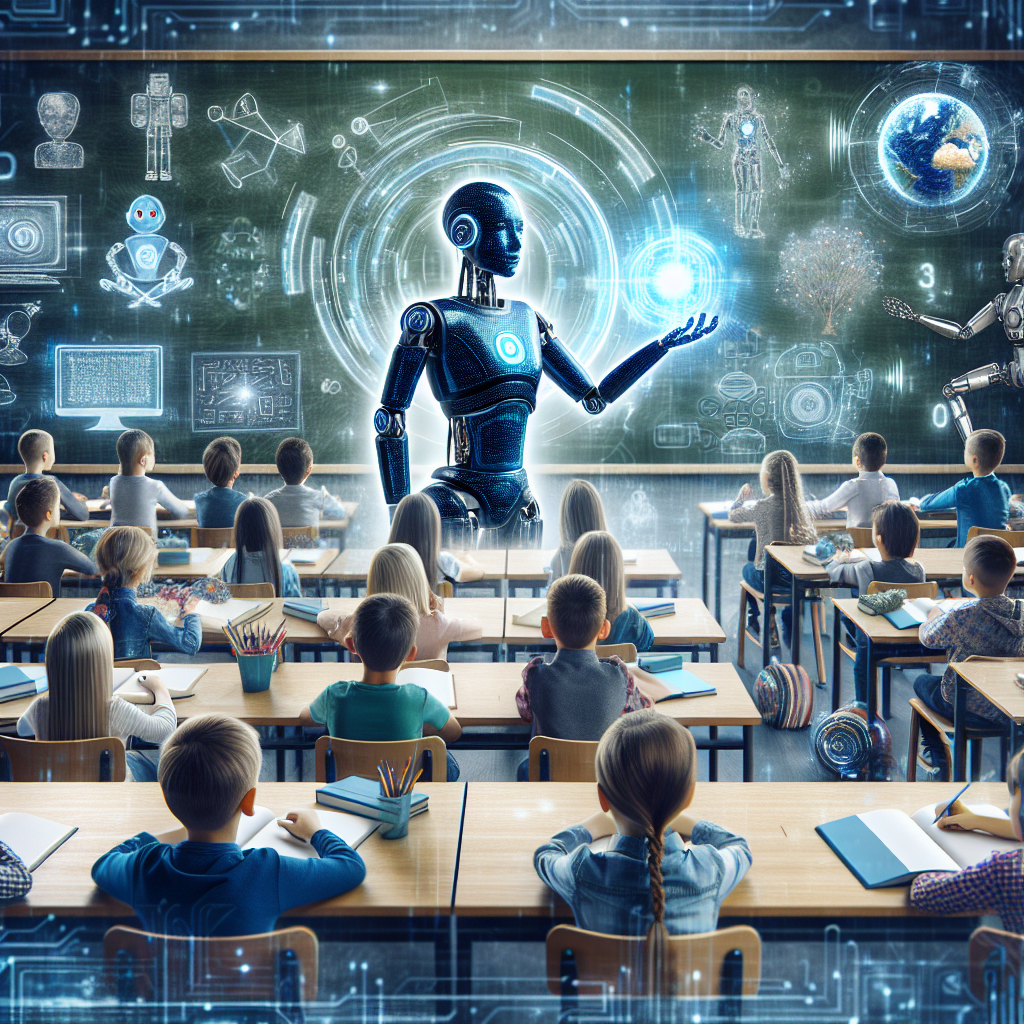
Artificial Intelligence (AI) has been making significant strides in various industries, and education is no exception. The integration of AI in education is proving to be a game-changer for students, offering personalized learning experiences, improved performance, and enhanced productivity. This article explores the impact of AI in education and how it is revolutionizing the way students learn and teachers teach.
AI Integration in Education
AI has the potential to transform the traditional education system by providing personalized learning experiences tailored to individual students’ needs and abilities. By analyzing students’ performance data and behavior patterns, AI systems can identify areas where students are struggling and provide targeted interventions to help them succeed. This personalized approach to learning ensures that students receive the support and resources they need to reach their full potential.
Another key benefit of AI integration in education is the ability to enhance student engagement and motivation. AI-powered learning platforms can incorporate interactive elements such as games, quizzes, and simulations to make learning more engaging and enjoyable for students. By making learning fun and interactive, AI can help students stay motivated and focused on their studies.
AI can also help teachers by automating routine tasks such as grading assignments and providing feedback to students. This frees up teachers’ time to focus on more meaningful activities such as lesson planning, mentoring students, and providing individualized support. By automating repetitive tasks, AI can help teachers be more efficient and effective in their roles.
Furthermore, AI can help schools and educational institutions analyze data to identify trends and patterns that can inform decision-making and policy development. By analyzing data on student performance, attendance, and behavior, AI systems can help schools identify areas for improvement and implement targeted interventions to address them. This data-driven approach to education can lead to more effective teaching strategies, better student outcomes, and improved overall school performance.
AI Integration in Education: A Game-Changer for Students
The integration of AI in education is proving to be a game-changer for students, offering a range of benefits that can enhance their learning experience and improve their academic performance. Some of the key benefits of AI integration in education for students include:
Personalized Learning Experiences: AI-powered learning platforms can provide personalized learning experiences tailored to individual students’ needs and abilities. By analyzing students’ performance data and behavior patterns, AI systems can identify areas where students are struggling and provide targeted interventions to help them succeed. This personalized approach to learning ensures that students receive the support and resources they need to reach their full potential.
Enhanced Student Engagement: AI can help make learning more engaging and enjoyable for students by incorporating interactive elements such as games, quizzes, and simulations. By making learning fun and interactive, AI can help students stay motivated and focused on their studies. This can lead to improved student engagement, retention, and academic performance.
Efficient Feedback and Assessment: AI can automate routine tasks such as grading assignments and providing feedback to students. This frees up teachers’ time to focus on more meaningful activities such as lesson planning, mentoring students, and providing individualized support. By automating repetitive tasks, AI can help teachers be more efficient and effective in their roles.
Data-Driven Decision Making: AI can help schools and educational institutions analyze data to identify trends and patterns that can inform decision-making and policy development. By analyzing data on student performance, attendance, and behavior, AI systems can help schools identify areas for improvement and implement targeted interventions to address them. This data-driven approach to education can lead to more effective teaching strategies, better student outcomes, and improved overall school performance.
Improved Accessibility and Inclusivity: AI can help make education more accessible and inclusive by providing support for students with diverse learning needs. AI-powered tools can provide personalized support for students with disabilities, learning difficulties, or language barriers, helping them overcome challenges and succeed in their studies. This can help ensure that all students have equal access to quality education and opportunities for success.
FAQs
Q: How does AI personalize learning experiences for students?
A: AI analyzes students’ performance data and behavior patterns to identify areas where they are struggling and provide targeted interventions to help them succeed. This personalized approach to learning ensures that students receive the support and resources they need to reach their full potential.
Q: How can AI enhance student engagement?
A: AI can make learning more engaging and enjoyable for students by incorporating interactive elements such as games, quizzes, and simulations. By making learning fun and interactive, AI can help students stay motivated and focused on their studies.
Q: How does AI help teachers in education?
A: AI can automate routine tasks such as grading assignments and providing feedback to students, freeing up teachers’ time to focus on more meaningful activities such as lesson planning, mentoring students, and providing individualized support.
Q: How can AI improve data-driven decision making in education?
A: AI can help schools and educational institutions analyze data on student performance, attendance, and behavior to identify trends and patterns that can inform decision-making and policy development. This data-driven approach to education can lead to more effective teaching strategies, better student outcomes, and improved overall school performance.
In conclusion, the integration of AI in education is revolutionizing the way students learn and teachers teach. By providing personalized learning experiences, enhancing student engagement, automating routine tasks, and enabling data-driven decision making, AI is proving to be a game-changer for students. As AI continues to evolve and improve, its potential to transform the education system and empower students to succeed is limitless.