
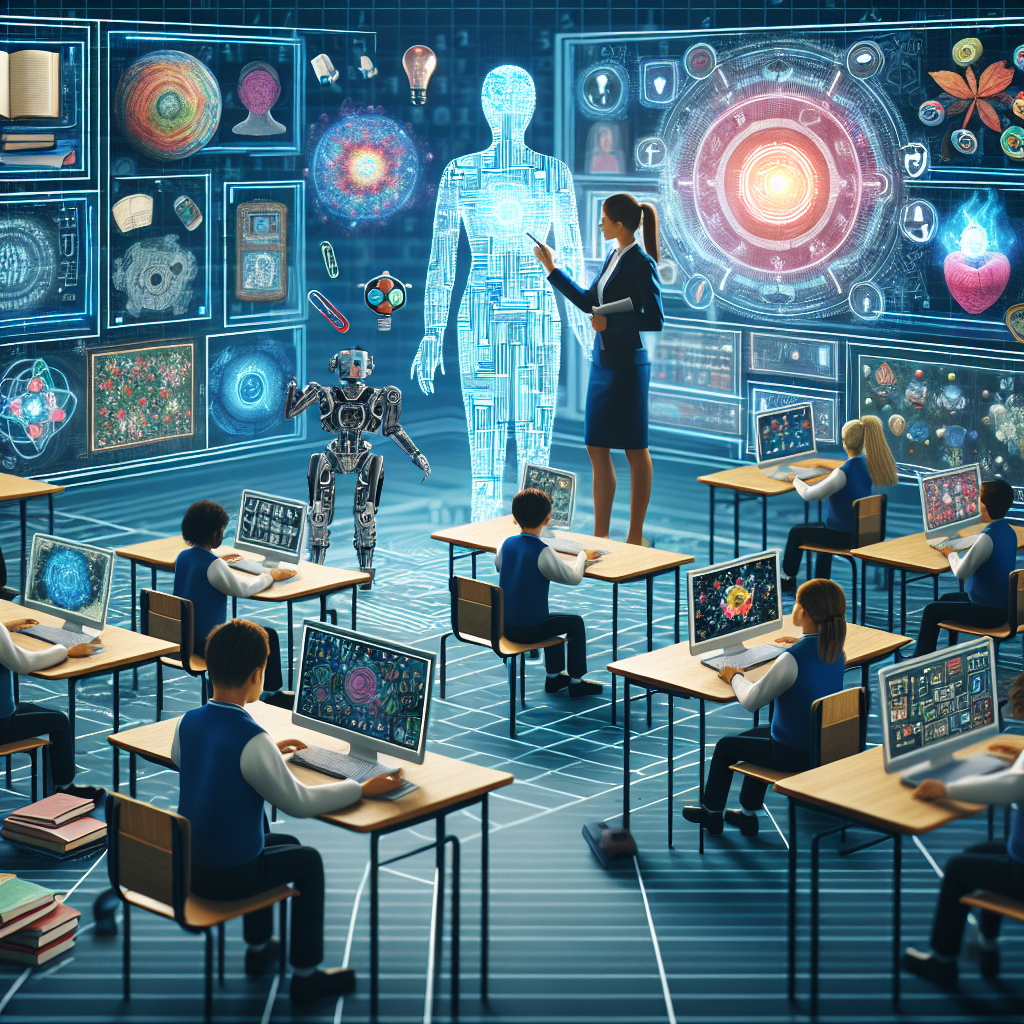
Artificial Intelligence (AI) has been rapidly transforming various industries, and education is no exception. AI integration in education is revolutionizing the way students learn, teachers teach, and schools operate. With the ability to analyze data, personalize learning experiences, and automate administrative tasks, AI is reshaping the traditional classroom setting into a more efficient, effective, and engaging environment.
AI Integration in Education: Transforming the Classroom
AI has the potential to significantly impact education in several ways:
1. Personalized Learning: One of the most significant benefits of AI integration in education is the ability to provide personalized learning experiences for students. AI algorithms can analyze student data and behavior to create individualized learning paths tailored to each student’s strengths, weaknesses, and learning style. This personalized approach helps students learn at their own pace and in a way that is most effective for them, leading to improved academic performance and engagement.
2. Adaptive Learning Technology: AI-powered adaptive learning technology is changing the way teachers deliver instruction and assess student progress. These systems use predictive analytics to identify areas where students are struggling and provide targeted interventions to help them improve. By adapting to each student’s needs, adaptive learning technology ensures that students are receiving the support they need to succeed.
3. Intelligent Tutoring Systems: AI-powered intelligent tutoring systems provide students with personalized guidance and feedback on their learning progress. These systems can assess students’ knowledge and skills, identify areas for improvement, and provide targeted instruction to help them master challenging concepts. Intelligent tutoring systems can also track students’ progress over time, allowing teachers to monitor their growth and adjust their instruction accordingly.
4. Automated Grading and Feedback: AI algorithms can automate the grading of assignments, quizzes, and tests, saving teachers valuable time and allowing them to focus on providing meaningful feedback to students. Automated grading systems can provide immediate feedback to students, helping them identify areas for improvement and allowing them to track their progress over time.
5. Administrative Efficiency: AI integration in education is also transforming the way schools operate by automating administrative tasks such as scheduling, attendance tracking, and student record management. AI-powered systems can streamline these processes, freeing up teachers and administrators to focus on more meaningful tasks such as curriculum development and student support.
FAQs:
Q: How is AI being used in the classroom?
A: AI is being used in the classroom in various ways, including personalized learning, adaptive learning technology, intelligent tutoring systems, automated grading and feedback, and administrative efficiency. These AI-powered systems help teachers deliver personalized instruction, assess student progress, provide targeted interventions, automate grading tasks, and streamline administrative processes.
Q: Can AI replace teachers?
A: While AI can assist teachers in delivering instruction and assessing student progress, it cannot replace the human element of teaching. Teachers play a vital role in providing emotional support, motivation, and guidance to students, which AI cannot replicate. AI is meant to complement teachers’ efforts, not replace them.
Q: How can schools implement AI integration in education?
A: Schools can implement AI integration in education by investing in AI-powered tools and technologies, providing professional development for teachers to learn how to use these tools effectively, and ensuring that students have access to personalized learning experiences. It is essential for schools to have a clear vision for how AI can enhance teaching and learning and to involve teachers, students, and parents in the implementation process.
In conclusion, AI integration in education is transforming the traditional classroom setting into a more efficient, effective, and engaging environment. With the ability to provide personalized learning experiences, adaptive learning technology, intelligent tutoring systems, automated grading and feedback, and administrative efficiency, AI is revolutionizing the way students learn, teachers teach, and schools operate. By leveraging the power of AI, schools can create a more personalized, data-driven, and student-centered learning environment that prepares students for success in the 21st century.