
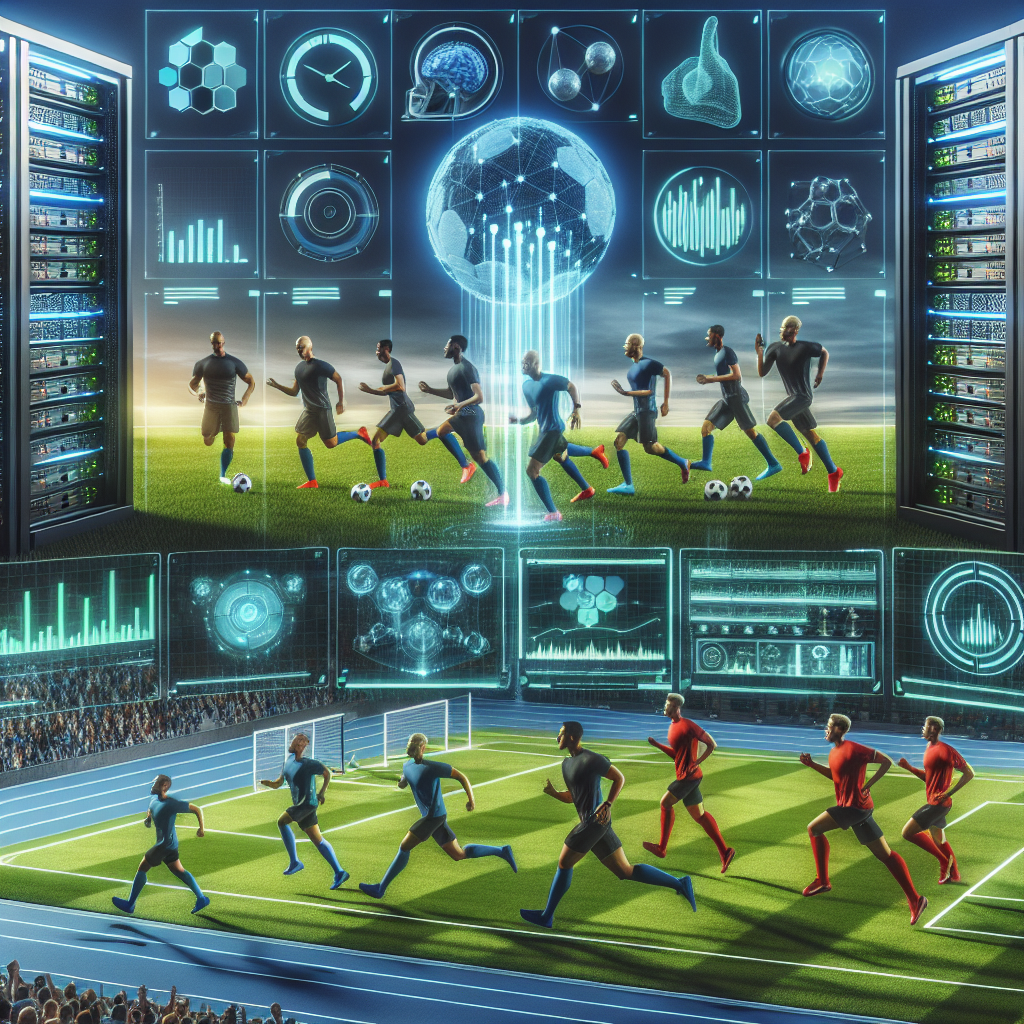
Artificial intelligence (AI) has been revolutionizing various industries, and sports is no exception. The integration of AI in sports has led to significant advancements in performance analysis, coaching, and player development. Through the use of AI algorithms and machine learning techniques, sports teams and athletes are able to gather and analyze vast amounts of data to improve their performance and gain a competitive edge.
Enhancing Performance Analysis
One of the key areas where AI has made a significant impact in sports is in performance analysis. Coaches and sports scientists are now able to collect and analyze a wide range of data points to gain insights into players’ performance and make informed decisions. AI algorithms can process data from various sources such as wearables, cameras, and sensors to track player movements, biometrics, and game statistics.
For example, in basketball, AI-powered cameras can track players’ movements on the court and provide detailed analysis of their shooting technique, defensive positioning, and overall performance. Coaches can use this information to identify areas for improvement and tailor their training programs accordingly. AI can also be used to analyze game footage and provide real-time insights to coaches and players during games.
In soccer, AI-powered tracking systems can monitor players’ speed, distance covered, and positioning on the field. This data can be used to optimize players’ fitness levels, prevent injuries, and improve tactical decision-making. AI algorithms can also analyze game footage to provide detailed insights into player performance, such as passing accuracy, shot placement, and defensive positioning.
Coaching and Player Development
AI is also being used to enhance coaching and player development in sports. Coaches can use AI-powered tools to create personalized training programs for individual players based on their strengths, weaknesses, and performance goals. By analyzing data from training sessions and games, coaches can identify patterns and trends that can help improve players’ performance.
For example, in tennis, AI-powered video analysis tools can track players’ strokes and provide detailed feedback on their technique. Coaches can use this information to identify areas for improvement and work with players to make necessary adjustments. AI can also be used to simulate game scenarios and help players develop their decision-making skills under pressure.
In team sports such as soccer and basketball, AI algorithms can analyze players’ interactions on the field to optimize team formations, strategies, and tactics. Coaches can use this information to make data-driven decisions and improve team performance. AI can also be used to predict opponents’ strategies and help teams prepare for upcoming games.
FAQs
Q: How is AI being used in sports performance analysis?
A: AI is being used to collect and analyze data from various sources such as wearables, cameras, and sensors to track player movements, biometrics, and game statistics. This data is used to provide insights into players’ performance, identify areas for improvement, and make informed decisions.
Q: How is AI being used in coaching and player development?
A: AI is being used to create personalized training programs for individual players based on their strengths, weaknesses, and performance goals. Coaches can analyze data from training sessions and games to identify patterns and trends that can help improve players’ performance. AI is also being used to simulate game scenarios and help players develop their decision-making skills under pressure.
Q: What are some examples of AI applications in sports?
A: Some examples of AI applications in sports include AI-powered cameras that track players’ movements on the court or field, AI algorithms that analyze game footage to provide real-time insights to coaches and players, and AI-powered video analysis tools that track players’ strokes and provide feedback on their technique.
Q: How can AI help sports teams gain a competitive edge?
A: AI can help sports teams gain a competitive edge by providing insights into players’ performance, optimizing team formations and strategies, and predicting opponents’ strategies. By using AI-powered tools to analyze data and make informed decisions, sports teams can improve their performance and enhance their chances of winning games.
In conclusion, the integration of AI in sports has opened up new possibilities for performance analysis, coaching, and player development. By leveraging AI algorithms and machine learning techniques, sports teams and athletes can gain valuable insights into their performance, make data-driven decisions, and enhance their competitive edge. As AI continues to evolve and improve, we can expect to see even more exciting advancements in the field of sports.