
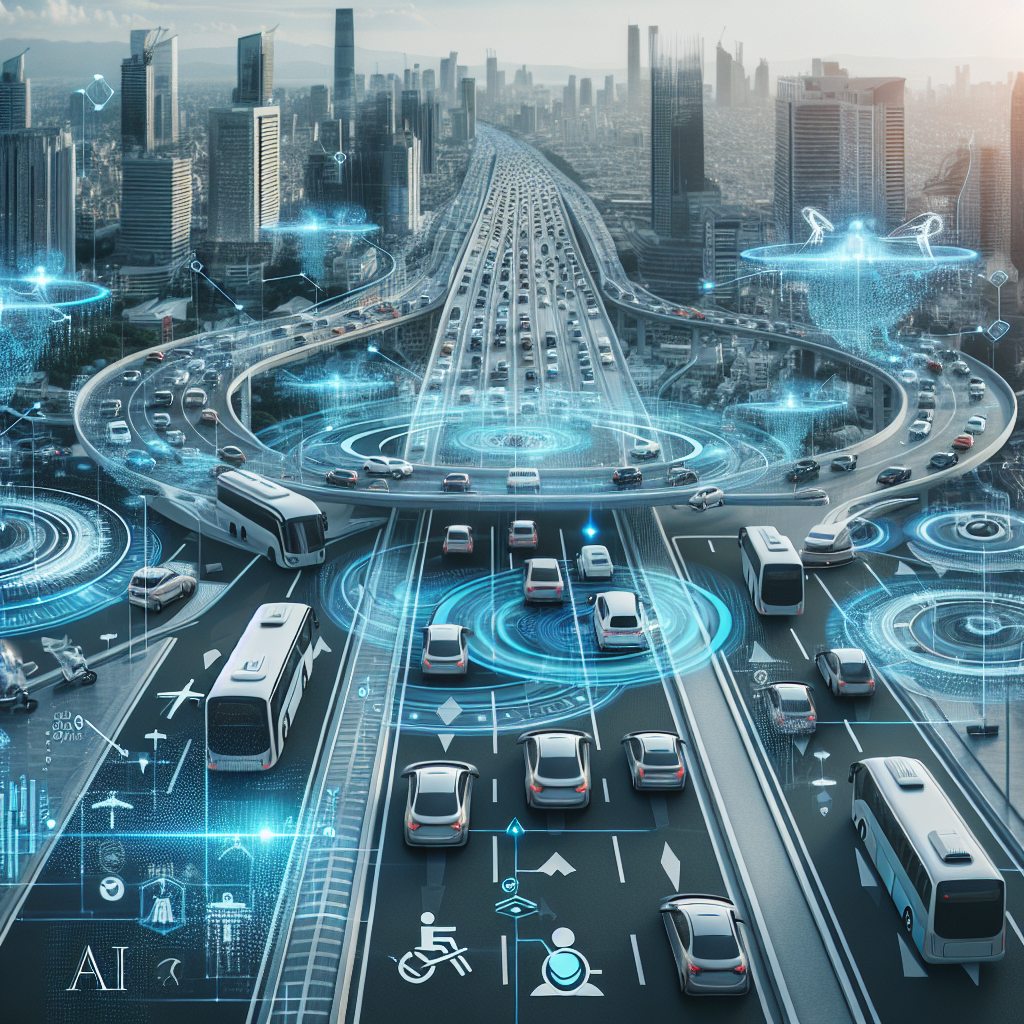
Artificial Intelligence (AI) integration in transportation is revolutionizing the way we move from one place to another. From self-driving cars to traffic management systems, AI is transforming the future of mobility. This cutting-edge technology is making transportation safer, more efficient, and more sustainable. In this article, we will explore how AI is being integrated into transportation systems and discuss the potential impact it will have on the way we travel in the future.
AI technology is being incorporated into various aspects of transportation, including autonomous vehicles, traffic management systems, and predictive maintenance. Autonomous vehicles, also known as self-driving cars, are perhaps the most well-known application of AI in transportation. These vehicles use AI algorithms to sense their environment, interpret data, and make decisions on the road. By using sensors, cameras, and other technologies, autonomous vehicles can navigate roads, avoid obstacles, and even communicate with other vehicles to improve safety and efficiency.
In addition to autonomous vehicles, AI is also being used in traffic management systems to optimize traffic flow, reduce congestion, and improve safety. These systems use AI algorithms to analyze traffic patterns, predict congestion, and adjust traffic signals in real-time to improve traffic flow. By using AI technology, transportation agencies can better manage traffic, reduce emissions, and improve overall transportation efficiency.
Another important application of AI in transportation is predictive maintenance. AI algorithms can analyze data from sensors and monitoring systems to predict when maintenance is needed on vehicles, infrastructure, or other transportation assets. By predicting maintenance needs in advance, transportation agencies can reduce downtime, improve safety, and extend the lifespan of their assets.
Overall, the integration of AI in transportation is leading to a more efficient, safer, and sustainable transportation system. By leveraging AI technology, transportation agencies can improve traffic management, enhance safety, and reduce emissions. As AI technology continues to advance, we can expect even more innovative applications in the transportation sector in the future.
FAQs:
Q: What are the benefits of AI integration in transportation?
A: AI integration in transportation offers numerous benefits, including improved safety, increased efficiency, reduced emissions, and enhanced overall transportation experience. By using AI technology, transportation agencies can optimize traffic flow, reduce congestion, and improve safety on the roads. Additionally, AI can help predict maintenance needs, reduce downtime, and extend the lifespan of transportation assets.
Q: Are autonomous vehicles safe?
A: Autonomous vehicles are designed to be safer than human-driven vehicles. By using AI algorithms, sensors, and cameras, autonomous vehicles can detect obstacles, avoid collisions, and make split-second decisions on the road. While there have been some incidents involving autonomous vehicles, overall, they are considered to be safer than traditional vehicles.
Q: How will AI integration in transportation impact the environment?
A: AI integration in transportation can have a positive impact on the environment by reducing emissions and improving overall transportation efficiency. By optimizing traffic flow, reducing congestion, and predicting maintenance needs, AI technology can help reduce fuel consumption and emissions. Additionally, autonomous vehicles are often electric or hybrid, further reducing emissions and promoting sustainability.
Q: What are the challenges of AI integration in transportation?
A: While AI integration in transportation offers many benefits, there are also challenges to consider. One challenge is the need for extensive data collection and analysis to train AI algorithms effectively. Additionally, there are concerns about cybersecurity and privacy when using AI technology in transportation systems. Overcoming these challenges will be critical to the successful integration of AI in transportation.
In conclusion, AI integration in transportation is shaping the future of mobility. By leveraging AI technology, transportation agencies can improve safety, efficiency, and sustainability in the transportation sector. From autonomous vehicles to traffic management systems, AI is revolutionizing the way we move from one place to another. As AI technology continues to advance, we can expect even more innovative applications in transportation that will transform the way we travel in the future.