
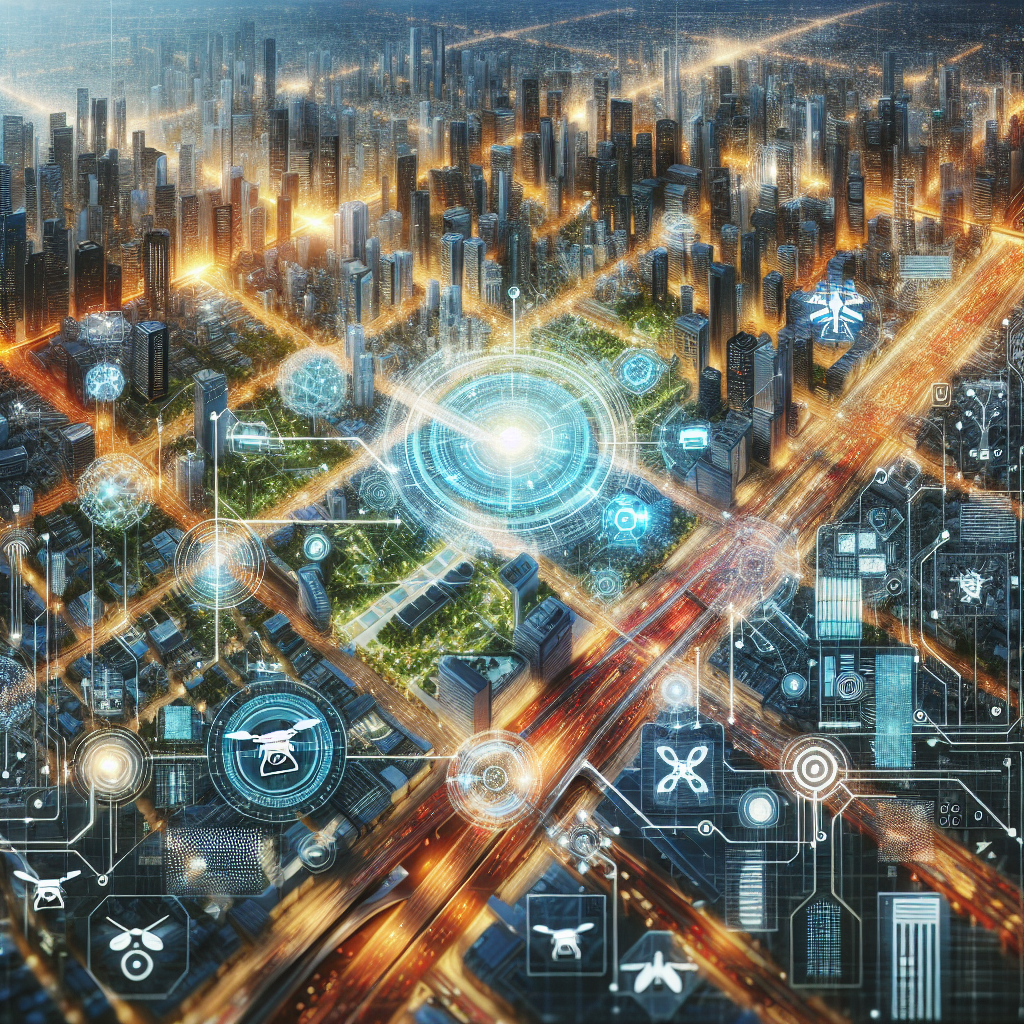
In recent years, Artificial Intelligence (AI) has been making waves in various industries, including urban planning and development. AI integration in urban planning has the potential to revolutionize the way cities are designed, built, and managed. From optimizing traffic flow to predicting housing demand, AI is helping city planners make more informed decisions that can lead to more sustainable and livable urban environments.
AI Integration in Urban Planning and Development
One of the key areas where AI is making an impact in urban planning is in transportation. With the rise of smart cities and connected vehicles, AI can help analyze traffic patterns, optimize public transportation routes, and even predict future traffic congestion. By using AI algorithms, city planners can better understand how people move around the city and make data-driven decisions to improve transportation infrastructure.
AI is also being used to optimize land use and zoning regulations in urban planning. By analyzing data on population growth, economic trends, and environmental factors, AI can help city planners make informed decisions about where to build new housing, commercial developments, and green spaces. This can lead to more efficient use of urban land and a more sustainable and equitable distribution of resources.
Furthermore, AI is being used to enhance disaster preparedness and response in urban areas. By analyzing historical data on natural disasters, such as hurricanes and earthquakes, AI can help predict future disasters and develop strategies to mitigate their impact. AI can also be used to coordinate emergency responses and allocate resources more efficiently during a crisis.
In addition to transportation, land use, and disaster preparedness, AI is also being used in other areas of urban planning, such as energy management, water conservation, and public health. By analyzing data on energy consumption, water usage, and air quality, AI can help city planners develop strategies to reduce carbon emissions, conserve resources, and improve public health outcomes.
Overall, AI integration in urban planning has the potential to transform cities into more efficient, sustainable, and resilient urban environments. By leveraging the power of AI algorithms and data analytics, city planners can make more informed decisions that can lead to better outcomes for residents, businesses, and the environment.
FAQs about AI Integration in Urban Planning and Development
Q: How can AI help improve transportation in urban areas?
A: AI can help analyze traffic patterns, optimize public transportation routes, and predict future traffic congestion. By using AI algorithms, city planners can make data-driven decisions to improve transportation infrastructure and enhance the overall mobility of residents.
Q: How is AI being used to optimize land use in urban planning?
A: AI is being used to analyze data on population growth, economic trends, and environmental factors to help city planners make informed decisions about where to build new housing, commercial developments, and green spaces. This can lead to more efficient use of urban land and a more sustainable distribution of resources.
Q: How can AI enhance disaster preparedness and response in urban areas?
A: By analyzing historical data on natural disasters, AI can help predict future disasters and develop strategies to mitigate their impact. AI can also be used to coordinate emergency responses and allocate resources more efficiently during a crisis.
Q: What are some other areas where AI is being used in urban planning?
A: AI is also being used in energy management, water conservation, and public health in urban planning. By analyzing data on energy consumption, water usage, and air quality, AI can help city planners develop strategies to reduce carbon emissions, conserve resources, and improve public health outcomes.
Q: What are some challenges of integrating AI in urban planning and development?
A: Some challenges of integrating AI in urban planning include data privacy concerns, ethical considerations, and the need for skilled professionals to analyze and interpret AI-generated insights. Additionally, there may be resistance from stakeholders who are unfamiliar with AI technology and its potential benefits.
In conclusion, AI integration in urban planning and development has the potential to revolutionize the way cities are designed, built, and managed. By leveraging the power of AI algorithms and data analytics, city planners can make more informed decisions that can lead to more sustainable, efficient, and livable urban environments. With the right strategies and partnerships, AI can help cities address the complex challenges of urbanization and create a better future for all residents.