
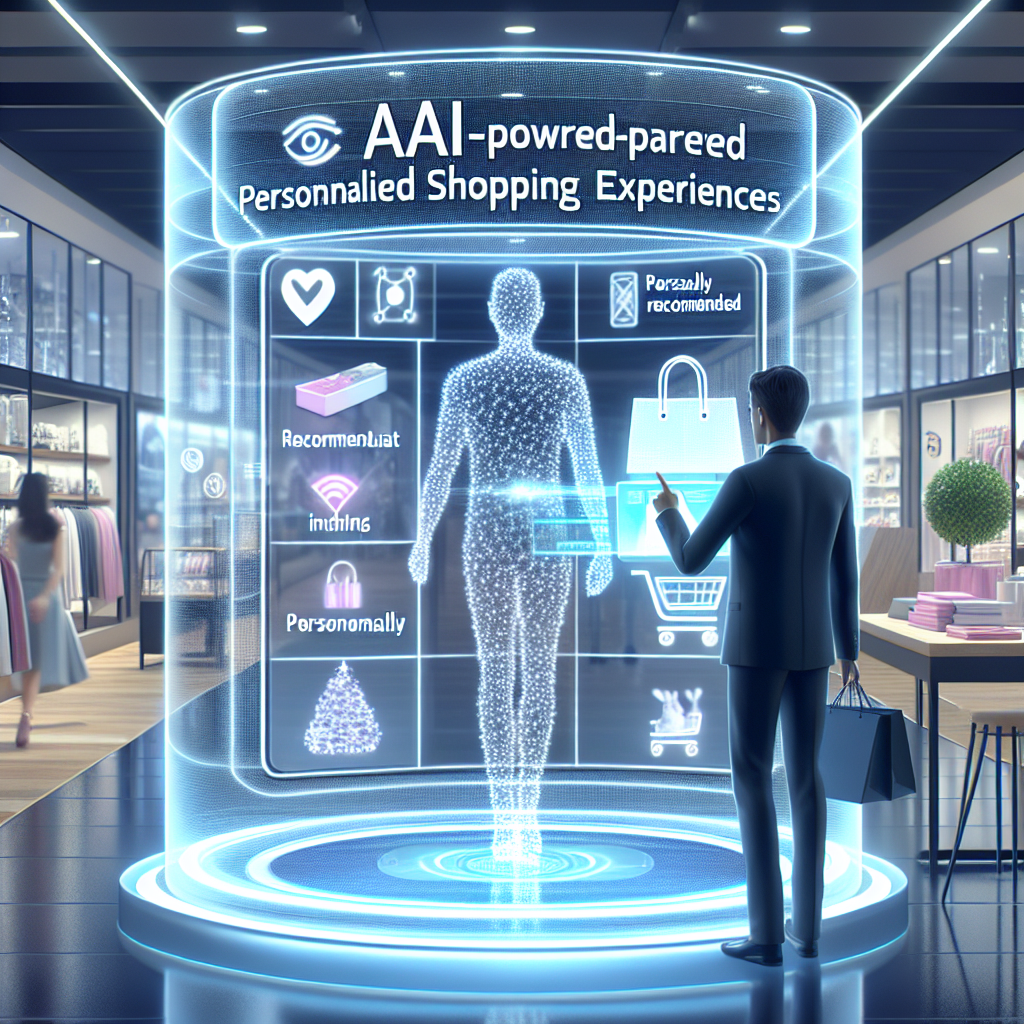
In today’s digital world, personalized shopping experiences are becoming more and more prevalent. With the rise of e-commerce platforms and the use of artificial intelligence (AI) technology, retailers are able to offer customers a more tailored and customized shopping experience. AI-powered personalized shopping experiences are revolutionizing the way consumers shop online, making it easier than ever to find the products they are looking for and discover new items that match their preferences.
What is AI-powered personalized shopping?
AI-powered personalized shopping is the use of artificial intelligence technology to create a more customized and tailored shopping experience for consumers. By analyzing data such as browsing history, purchase behavior, and demographic information, AI algorithms can provide personalized product recommendations, offer relevant promotions, and even help customers find the perfect size and fit for clothing items.
How does AI-powered personalized shopping work?
AI-powered personalized shopping works by collecting and analyzing data from various sources to create a detailed profile of each customer. This data includes past purchase history, browsing behavior, items added to the shopping cart but not purchased, and even social media activity. By analyzing this data, AI algorithms can create personalized product recommendations that are tailored to each individual customer’s preferences and interests.
For example, if a customer has been browsing for running shoes on a retailer’s website, the AI algorithm can suggest other fitness-related products such as workout clothes or hydration accessories. Additionally, if a customer has purchased a particular brand of skincare products in the past, the AI algorithm can recommend new products from the same brand or similar products from other brands based on their preferences.
What are the benefits of AI-powered personalized shopping experiences?
There are several benefits to AI-powered personalized shopping experiences for both retailers and consumers. Some of the key benefits include:
1. Increased sales and revenue: By offering personalized product recommendations and promotions, retailers can increase the likelihood of customers making a purchase. Studies have shown that personalized recommendations can increase conversion rates by up to 30%.
2. Improved customer satisfaction: Personalized shopping experiences make it easier for customers to find the products they are looking for and discover new items that match their preferences. This can lead to higher levels of customer satisfaction and loyalty.
3. Enhanced customer engagement: AI-powered personalized shopping experiences can help retailers engage with customers on a more personal level, building stronger relationships and increasing brand loyalty.
4. Reduced returns: By helping customers find the right size and fit for clothing items, AI-powered personalized shopping experiences can reduce the likelihood of returns, saving retailers time and money.
What are some examples of AI-powered personalized shopping experiences?
There are several examples of AI-powered personalized shopping experiences that are currently being used by retailers around the world. Some of these examples include:
1. Product recommendations: Many e-commerce platforms use AI algorithms to provide personalized product recommendations based on a customer’s browsing and purchase history. For example, Amazon uses AI technology to suggest products that are similar to ones that a customer has previously viewed or purchased.
2. Virtual try-on: Some retailers use AI-powered virtual try-on technology to help customers visualize how clothing items will look on them before making a purchase. This technology uses augmented reality to superimpose the clothing item onto a customer’s body, allowing them to see how it fits and looks in real-time.
3. Personalized promotions: AI algorithms can analyze customer data to create personalized promotions and discounts that are tailored to each individual customer’s preferences and interests. This can help retailers increase sales and drive customer loyalty.
4. Chatbots: AI-powered chatbots can provide personalized assistance to customers by answering questions, providing product recommendations, and helping with the shopping process. Chatbots can also learn from customer interactions to improve the quality of their responses over time.
What are some challenges of AI-powered personalized shopping experiences?
While AI-powered personalized shopping experiences offer many benefits, there are also some challenges that retailers may face when implementing this technology. Some of the key challenges include:
1. Data privacy concerns: Collecting and analyzing customer data to create personalized shopping experiences can raise concerns about data privacy and security. Retailers must ensure that they are using customer data in a responsible and transparent manner to maintain customer trust.
2. Accuracy of recommendations: AI algorithms may not always provide accurate product recommendations, leading to frustration for customers. Retailers must continually monitor and adjust their algorithms to improve the quality of personalized recommendations.
3. Implementation costs: Implementing AI-powered personalized shopping experiences can be costly for retailers, requiring investment in technology, data analytics, and training for employees. Small businesses may struggle to afford these costs, limiting their ability to compete with larger retailers.
4. Customer acceptance: Some customers may be hesitant to embrace AI-powered personalized shopping experiences due to concerns about privacy, data security, and the perceived loss of control over their shopping experience. Retailers must educate customers about the benefits of personalized shopping experiences and address any concerns they may have.
In conclusion, AI-powered personalized shopping experiences are revolutionizing the way consumers shop online, offering a more tailored and customized shopping experience that makes it easier to find the products they are looking for and discover new items that match their preferences. By leveraging AI technology, retailers can increase sales, improve customer satisfaction, and enhance customer engagement. While there are challenges to implementing AI-powered personalized shopping experiences, the benefits far outweigh the drawbacks, making this technology a valuable tool for retailers looking to stay competitive in the digital age.
FAQs
1. How does AI-powered personalized shopping work?
AI-powered personalized shopping works by analyzing data such as browsing history, purchase behavior, and demographic information to create a detailed profile of each customer. This data is used to provide personalized product recommendations, offer relevant promotions, and help customers find the perfect size and fit for clothing items.
2. What are the benefits of AI-powered personalized shopping experiences?
Some of the key benefits of AI-powered personalized shopping experiences include increased sales and revenue, improved customer satisfaction, enhanced customer engagement, and reduced returns. Personalized shopping experiences make it easier for customers to find the products they are looking for and discover new items that match their preferences.
3. What are some examples of AI-powered personalized shopping experiences?
Some examples of AI-powered personalized shopping experiences include personalized product recommendations, virtual try-on technology, personalized promotions, and AI-powered chatbots. These technologies help retailers engage with customers on a more personal level and provide a more customized shopping experience.
4. What are some challenges of AI-powered personalized shopping experiences?
Some of the challenges of AI-powered personalized shopping experiences include data privacy concerns, the accuracy of recommendations, implementation costs, and customer acceptance. Retailers must address these challenges to ensure that they are using AI technology in a responsible and effective manner.