
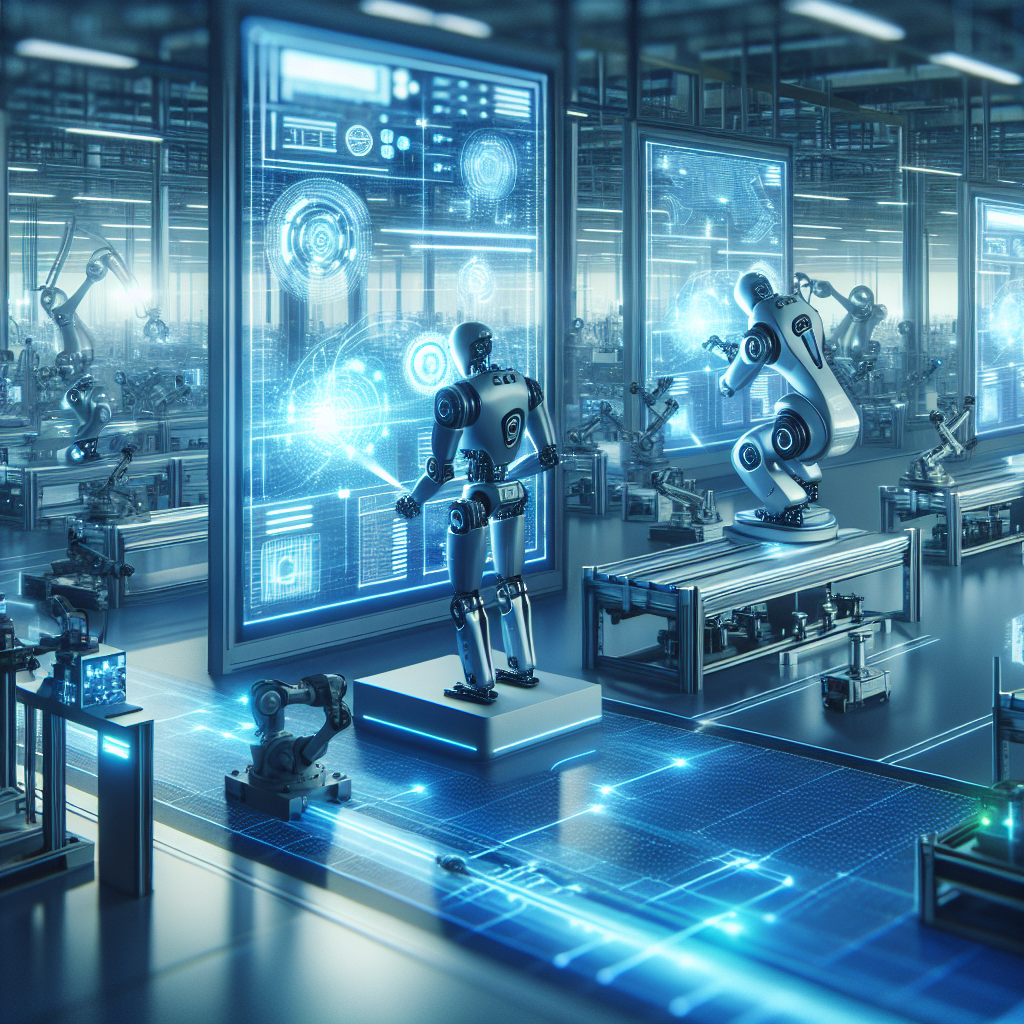
In recent years, there has been a significant shift towards using AI-powered robotics for assembly line automation in manufacturing. This trend is driven by the need for increased efficiency, accuracy, and speed in production processes. AI-powered robotics offer a range of benefits, from reducing labor costs to improving product quality and consistency. In this article, we will explore the role of AI-powered robotics in assembly line automation, its advantages, challenges, and future prospects.
AI-powered robotics in manufacturing
AI-powered robotics refers to the use of artificial intelligence technology to control robotic systems in manufacturing processes. These systems are equipped with sensors, cameras, and other advanced technologies that allow them to perform complex tasks with precision and accuracy. In the context of assembly line automation, AI-powered robotics can be used to perform a wide range of tasks, from picking and placing components to welding, painting, and quality inspection.
One of the key advantages of AI-powered robotics is their ability to adapt to changing conditions in real-time. These systems can learn from experience and make decisions based on data, allowing them to optimize their performance over time. This flexibility is particularly valuable in assembly line automation, where production requirements can vary depending on factors such as demand, product design, and supply chain disruptions.
Another advantage of AI-powered robotics is their ability to work collaboratively with human workers. These systems can be programmed to perform tasks that are too dangerous, repetitive, or physically demanding for humans, allowing workers to focus on more complex and creative tasks. By combining the strengths of humans and robots, manufacturers can achieve higher levels of productivity and efficiency in their production processes.
Challenges and limitations
Despite their many advantages, AI-powered robotics also present challenges and limitations that must be addressed. One of the main challenges is the high upfront cost of implementing these systems. AI-powered robotics require significant investment in hardware, software, training, and integration with existing production systems. This can be a barrier for small and medium-sized manufacturers who may not have the resources to adopt these technologies.
Another challenge is the complexity of programming and maintaining AI-powered robotics systems. These systems require specialized knowledge and skills to design, program, and troubleshoot, which can be a barrier for manufacturers who lack the expertise in-house. Additionally, AI-powered robotics systems may require frequent updates and maintenance to keep them running smoothly, adding to the overall cost of ownership.
In addition, there are concerns about the impact of AI-powered robotics on jobs and the workforce. While these systems can create new opportunities for skilled workers in areas such as programming, maintenance, and supervision, they can also lead to job displacement for workers in lower-skilled roles. Manufacturers must carefully consider the social and ethical implications of adopting AI-powered robotics and develop strategies to reskill and retrain their workforce to adapt to the changing landscape of manufacturing.
Future prospects
Despite these challenges, the future prospects for AI-powered robotics in assembly line automation are bright. As technology continues to advance, the cost of implementing these systems is expected to decrease, making them more accessible to a wider range of manufacturers. In addition, advancements in artificial intelligence, machine learning, and robotics are enabling new capabilities and applications for AI-powered robotics in manufacturing.
For example, AI-powered robotics are being used to enable more flexible and adaptive production processes, allowing manufacturers to quickly respond to changes in demand, product design, and supply chain disruptions. These systems can be programmed to learn from experience, optimize their performance, and collaborate with human workers in real-time, leading to higher levels of productivity and efficiency.
Furthermore, AI-powered robotics are enabling the development of new types of products and services that were not possible before. For example, manufacturers can use these systems to create customized products on a mass scale, adapt to changing customer preferences, and improve the quality and consistency of their products. As AI-powered robotics continue to evolve, they have the potential to revolutionize the manufacturing industry and drive innovation in new and exciting ways.
FAQs
Q: What are the main benefits of using AI-powered robotics for assembly line automation?
A: AI-powered robotics offer a range of benefits, including increased efficiency, accuracy, speed, and flexibility in production processes. These systems can optimize performance, learn from experience, and adapt to changing conditions in real-time, leading to higher levels of productivity and efficiency.
Q: What are the main challenges of implementing AI-powered robotics in manufacturing?
A: Some of the main challenges of implementing AI-powered robotics in manufacturing include high upfront costs, complexity of programming and maintenance, and concerns about job displacement and workforce implications. Manufacturers must carefully consider these challenges and develop strategies to address them effectively.
Q: What are the future prospects for AI-powered robotics in assembly line automation?
A: The future prospects for AI-powered robotics in assembly line automation are bright, as advancements in technology are enabling new capabilities and applications for these systems. As technology continues to advance, the cost of implementing AI-powered robotics is expected to decrease, making them more accessible to a wider range of manufacturers. AI-powered robotics have the potential to revolutionize the manufacturing industry and drive innovation in new and exciting ways.