
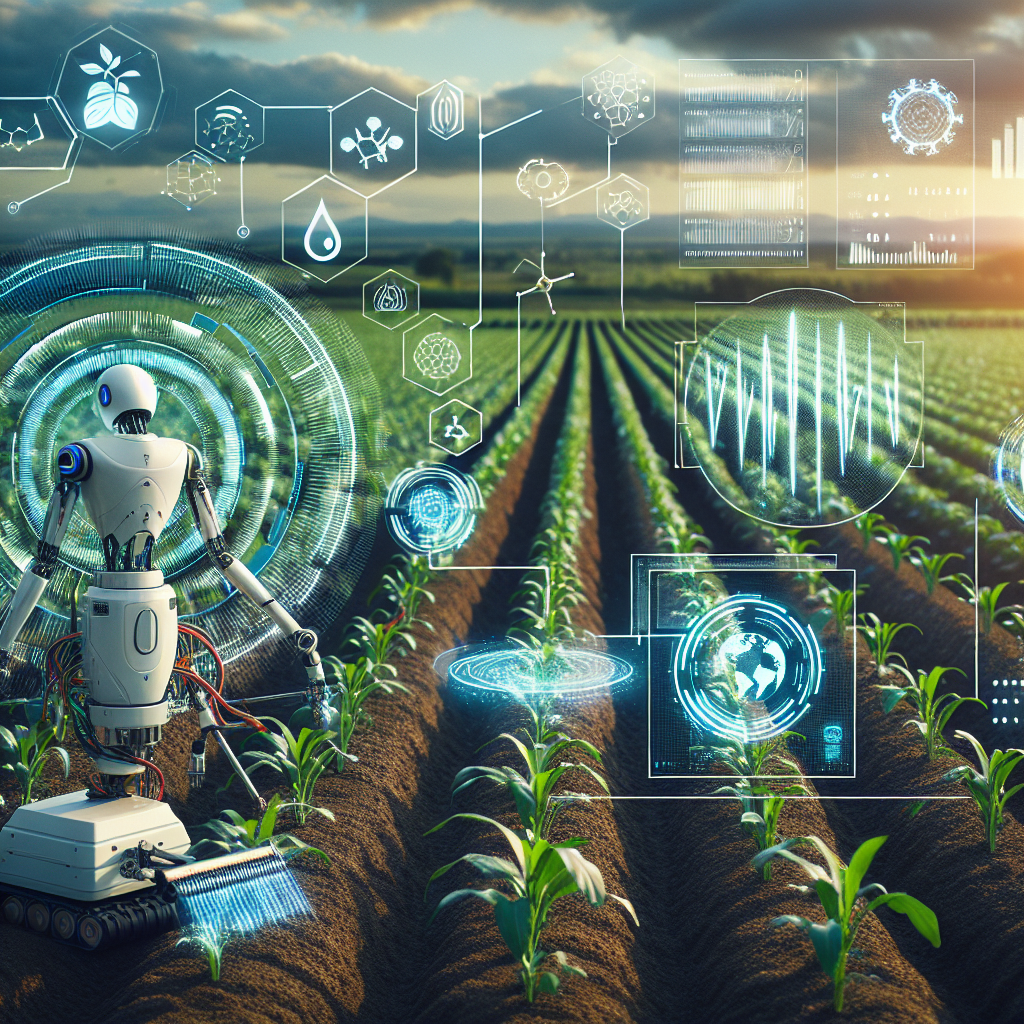
AI-powered solutions have revolutionized various industries, including agriculture. One area where AI technology is making a significant impact is in enhancing crop rotation practices. Crop rotation is a farming technique that involves planting different crops in the same field in sequential seasons to improve soil health, reduce pests and diseases, and increase crop yield. AI technology can analyze vast amounts of data to help farmers make more informed decisions about which crops to plant and when, ultimately leading to more sustainable and profitable farming practices.
One of the key advantages of using AI-powered solutions in crop rotation is the ability to analyze data from various sources, such as soil samples, weather patterns, historical crop yields, and market demands. By integrating this data, AI algorithms can identify patterns and trends that human farmers may not be able to detect on their own. This information can help farmers optimize their crop rotation plans to maximize yield and minimize risks.
AI technology can also help farmers predict crop diseases and pests more accurately. By analyzing historical data on disease outbreaks and pest infestations, AI algorithms can identify early warning signs and recommend preventive measures to protect crops. This proactive approach can help farmers reduce the need for chemical pesticides and save money on crop protection.
Furthermore, AI-powered solutions can help farmers optimize irrigation and fertilizer usage based on soil moisture levels, crop nutrient needs, and weather conditions. By monitoring these factors in real-time and adjusting irrigation and fertilizer application rates accordingly, farmers can ensure that their crops receive the right amount of water and nutrients, leading to healthier plants and higher yields.
In addition to improving crop rotation practices, AI technology can also help farmers with crop planning and management. For example, AI-powered tools can generate personalized planting schedules based on soil conditions, climate data, and market trends. This can help farmers make informed decisions about which crops to plant and when, to maximize profits and minimize risks.
Overall, AI-powered solutions have the potential to revolutionize crop rotation practices and help farmers achieve more sustainable and profitable farming operations. By leveraging AI technology to analyze data, predict crop diseases and pests, optimize irrigation and fertilizer usage, and improve crop planning and management, farmers can make smarter decisions that lead to higher yields and healthier soils.
FAQs:
Q: How does AI technology analyze data to improve crop rotation practices?
A: AI algorithms can analyze data from various sources, such as soil samples, weather patterns, historical crop yields, and market demands, to identify patterns and trends that human farmers may not be able to detect on their own. This information can help farmers optimize their crop rotation plans to maximize yield and minimize risks.
Q: How can AI technology help farmers predict crop diseases and pests?
A: By analyzing historical data on disease outbreaks and pest infestations, AI algorithms can identify early warning signs and recommend preventive measures to protect crops. This proactive approach can help farmers reduce the need for chemical pesticides and save money on crop protection.
Q: How can AI-powered solutions help farmers optimize irrigation and fertilizer usage?
A: AI technology can monitor soil moisture levels, crop nutrient needs, and weather conditions in real-time and adjust irrigation and fertilizer application rates accordingly. By ensuring that crops receive the right amount of water and nutrients, farmers can achieve healthier plants and higher yields.
Q: How can AI technology help farmers with crop planning and management?
A: AI-powered tools can generate personalized planting schedules based on soil conditions, climate data, and market trends. This can help farmers make informed decisions about which crops to plant and when, to maximize profits and minimize risks.