
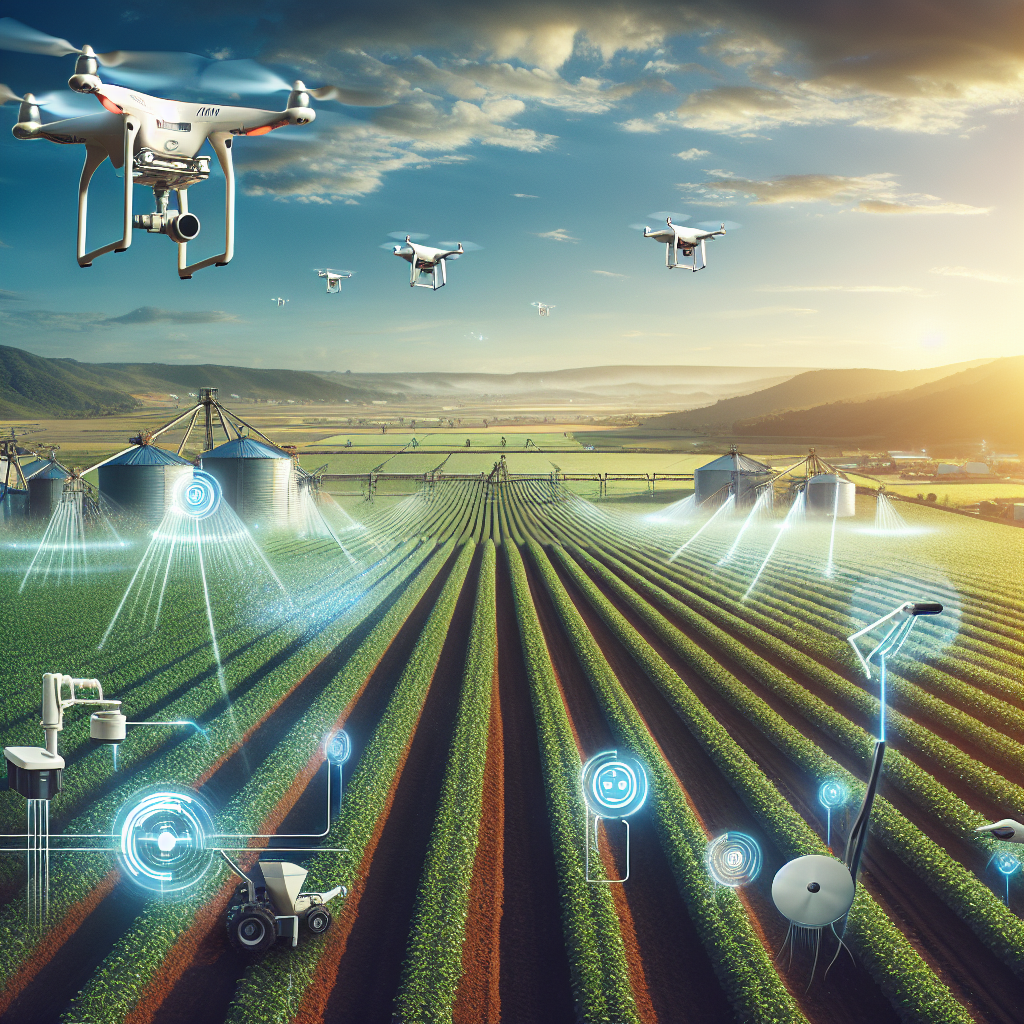
AI-Powered Solutions for Precision Agriculture
Precision agriculture is revolutionizing the way farmers approach crop management by using technology to optimize farming practices. One of the key technologies driving this transformation is artificial intelligence (AI). AI-powered solutions for precision agriculture are enabling farmers to make data-driven decisions, increase crop yields, reduce waste, and improve sustainability. In this article, we will explore the various applications of AI in precision agriculture and how it is reshaping the future of farming.
Applications of AI in Precision Agriculture
1. Crop Monitoring and Management: AI-powered solutions can analyze satellite imagery, drone footage, and sensor data to monitor crop growth and health in real-time. By detecting early signs of pests, diseases, or nutrient deficiencies, farmers can take proactive measures to address issues before they impact crop yields. AI algorithms can also provide recommendations on optimal planting times, irrigation schedules, and fertilizer usage based on historical data and predictive analytics.
2. Weed and Pest Control: AI algorithms can differentiate between crops and weeds in images to target herbicide applications more precisely. This reduces the use of chemicals, minimizes environmental impact, and saves costs for farmers. Similarly, AI can identify pests in the field and recommend targeted interventions to prevent infestations and minimize crop damage.
3. Irrigation Management: AI-powered tools can analyze soil moisture levels, weather forecasts, and crop water requirements to optimize irrigation schedules. By delivering the right amount of water at the right time, farmers can prevent overwatering, reduce water waste, and improve crop health. AI algorithms can also detect leaks in irrigation systems and suggest repairs to minimize water loss.
4. Predictive Analytics: AI can analyze historical data on weather patterns, soil conditions, crop yields, and market prices to predict future outcomes and make informed decisions. By using machine learning algorithms, farmers can forecast crop yields, plan harvests, optimize storage and transportation logistics, and make strategic marketing decisions. This helps farmers maximize profits and minimize risks in an unpredictable agricultural landscape.
5. Autonomous Machinery: AI-powered autonomous tractors, drones, and robots are revolutionizing farm operations by performing tasks such as planting, spraying, harvesting, and monitoring fields with minimal human intervention. These machines are equipped with sensors, cameras, and GPS technology to navigate fields, collect data, and execute tasks with precision. By automating repetitive and time-consuming tasks, farmers can save labor costs, increase efficiency, and focus on strategic decision-making.
Benefits of AI-Powered Solutions in Precision Agriculture
1. Increased Efficiency: AI-powered solutions enable farmers to monitor crops, manage resources, and make decisions in real-time, leading to improved efficiency and productivity. By automating tasks and optimizing processes, farmers can save time, reduce labor costs, and maximize yields.
2. Cost Savings: AI algorithms can help farmers reduce input costs by optimizing resource usage, minimizing waste, and preventing crop loss. By using data-driven insights to make informed decisions, farmers can save money on fertilizers, pesticides, water, and labor while increasing profitability.
3. Sustainability: AI-powered solutions promote sustainable farming practices by reducing the use of chemicals, minimizing water waste, and improving soil health. By implementing precision agriculture techniques, farmers can protect the environment, preserve natural resources, and ensure the long-term viability of their operations.
4. Data-driven Decision Making: AI algorithms analyze vast amounts of data to provide actionable insights and recommendations to farmers. By leveraging predictive analytics and machine learning, farmers can make informed decisions based on real-time information, historical trends, and future predictions.
5. Improved Crop Quality: AI-powered solutions enable farmers to monitor crop health, detect diseases, and optimize growing conditions to produce high-quality crops. By identifying issues early and taking corrective actions, farmers can ensure consistent yields, meet quality standards, and satisfy consumer demands.
FAQs
Q: What is precision agriculture?
A: Precision agriculture is a farming approach that uses technology to optimize crop management practices, increase efficiency, and reduce environmental impact. By collecting data on soil conditions, weather patterns, crop health, and market trends, farmers can make informed decisions to maximize yields and profitability.
Q: How does AI benefit precision agriculture?
A: AI-powered solutions enable farmers to analyze data, monitor crops, predict outcomes, and automate tasks with precision. By using machine learning algorithms, farmers can optimize resource usage, reduce costs, increase efficiency, and improve sustainability in their operations.
Q: What are some examples of AI applications in precision agriculture?
A: AI can be used for crop monitoring, weed and pest control, irrigation management, predictive analytics, and autonomous machinery in precision agriculture. By leveraging AI technology, farmers can optimize farming practices, increase productivity, and achieve better outcomes in their operations.
Q: How can farmers implement AI-powered solutions in their operations?
A: Farmers can adopt AI-powered solutions by partnering with technology providers, investing in sensors and drones, collecting data on farm operations, and integrating AI algorithms into their decision-making processes. By leveraging AI technology, farmers can enhance their capabilities, improve efficiency, and stay competitive in the agricultural industry.
In conclusion, AI-powered solutions are transforming precision agriculture by enabling farmers to make data-driven decisions, increase productivity, and reduce environmental impact. By leveraging AI technology, farmers can optimize crop management practices, improve efficiency, and achieve better outcomes in their operations. As the agricultural industry continues to evolve, AI will play a crucial role in reshaping the future of farming and ensuring sustainable food production for generations to come.