
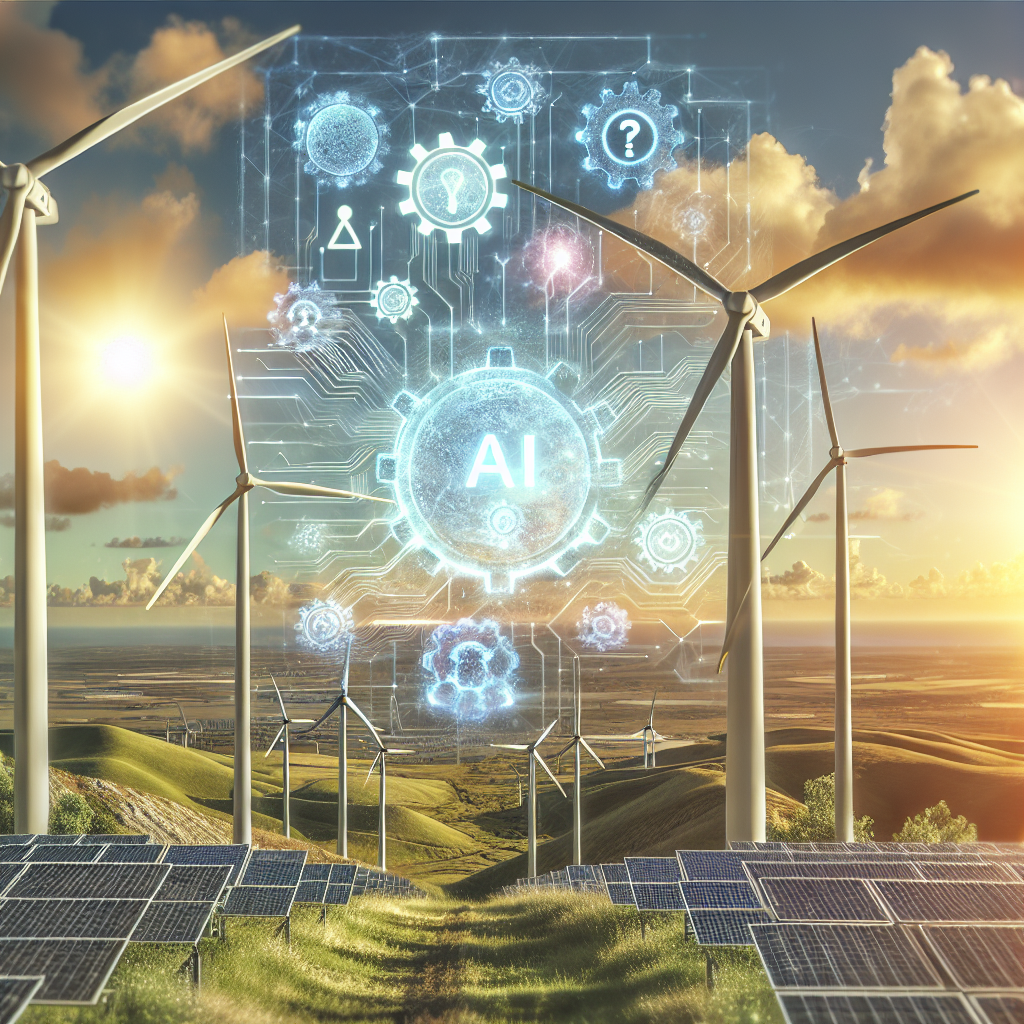
AI-Powered Solutions for Renewable Energy Market Collaboration
In recent years, the renewable energy market has seen significant growth and innovation, with a focus on reducing carbon emissions and transitioning to more sustainable energy sources. One of the key drivers of this transition has been the integration of artificial intelligence (AI) technology into renewable energy solutions. AI-powered solutions have the potential to revolutionize the way we generate, store, and distribute renewable energy, leading to a more efficient and sustainable energy system.
AI technology has the ability to optimize renewable energy systems in real-time, making them more reliable and cost-effective. By analyzing vast amounts of data, AI algorithms can predict energy demand, optimize the performance of renewable energy sources such as solar panels and wind turbines, and facilitate the integration of renewable energy into the grid. This level of automation and optimization is crucial for maximizing the potential of renewable energy sources and reducing our reliance on fossil fuels.
One of the key areas where AI-powered solutions are making a significant impact is in the development of smart grids. Smart grids are intelligent energy distribution systems that use advanced technology to monitor and control the flow of electricity in real-time. By leveraging AI algorithms, smart grids can optimize energy distribution, reduce energy wastage, and balance the supply and demand of electricity more effectively. This not only helps to improve the reliability of the grid but also enables greater integration of renewable energy sources into the energy system.
Another area where AI technology is driving innovation in the renewable energy market is in the development of predictive maintenance solutions. Renewable energy assets such as solar panels and wind turbines require regular maintenance to ensure optimal performance. By using AI algorithms to analyze sensor data and predict potential faults, renewable energy operators can schedule maintenance proactively, reducing downtime and increasing the lifespan of their assets. This ultimately leads to lower operational costs and higher energy production.
AI-powered solutions are also playing a crucial role in the development of energy storage systems. Energy storage is essential for balancing the intermittent nature of renewable energy sources such as solar and wind power. By using AI algorithms to optimize energy storage systems, operators can maximize the efficiency of their storage assets and ensure a reliable energy supply even when renewable energy generation is low. This is particularly important for ensuring grid stability and meeting peak energy demands.
Collaboration is key to the successful implementation of AI-powered solutions in the renewable energy market. By working together, energy companies, technology providers, and policymakers can leverage their expertise and resources to drive innovation and accelerate the adoption of AI technology in the energy sector. Collaborative initiatives such as research partnerships, pilot projects, and knowledge-sharing platforms can help to address common challenges and facilitate the development of innovative solutions that benefit the entire industry.
FAQs
Q: How can AI technology benefit the renewable energy market?
A: AI technology can benefit the renewable energy market by optimizing energy systems, improving grid reliability, reducing operational costs, and facilitating the integration of renewable energy sources into the grid.
Q: What are some examples of AI-powered solutions in the renewable energy market?
A: Some examples of AI-powered solutions in the renewable energy market include smart grids, predictive maintenance systems, and energy storage optimization algorithms.
Q: How can collaboration drive innovation in the renewable energy market?
A: Collaboration between energy companies, technology providers, and policymakers can drive innovation in the renewable energy market by leveraging expertise and resources, sharing knowledge, and developing collaborative initiatives such as research partnerships and pilot projects.
Q: What are the key challenges in implementing AI-powered solutions in the renewable energy market?
A: Some key challenges in implementing AI-powered solutions in the renewable energy market include data privacy concerns, regulatory barriers, and the need for skilled AI professionals. Collaborative efforts can help to address these challenges and drive the adoption of AI technology in the energy sector.