
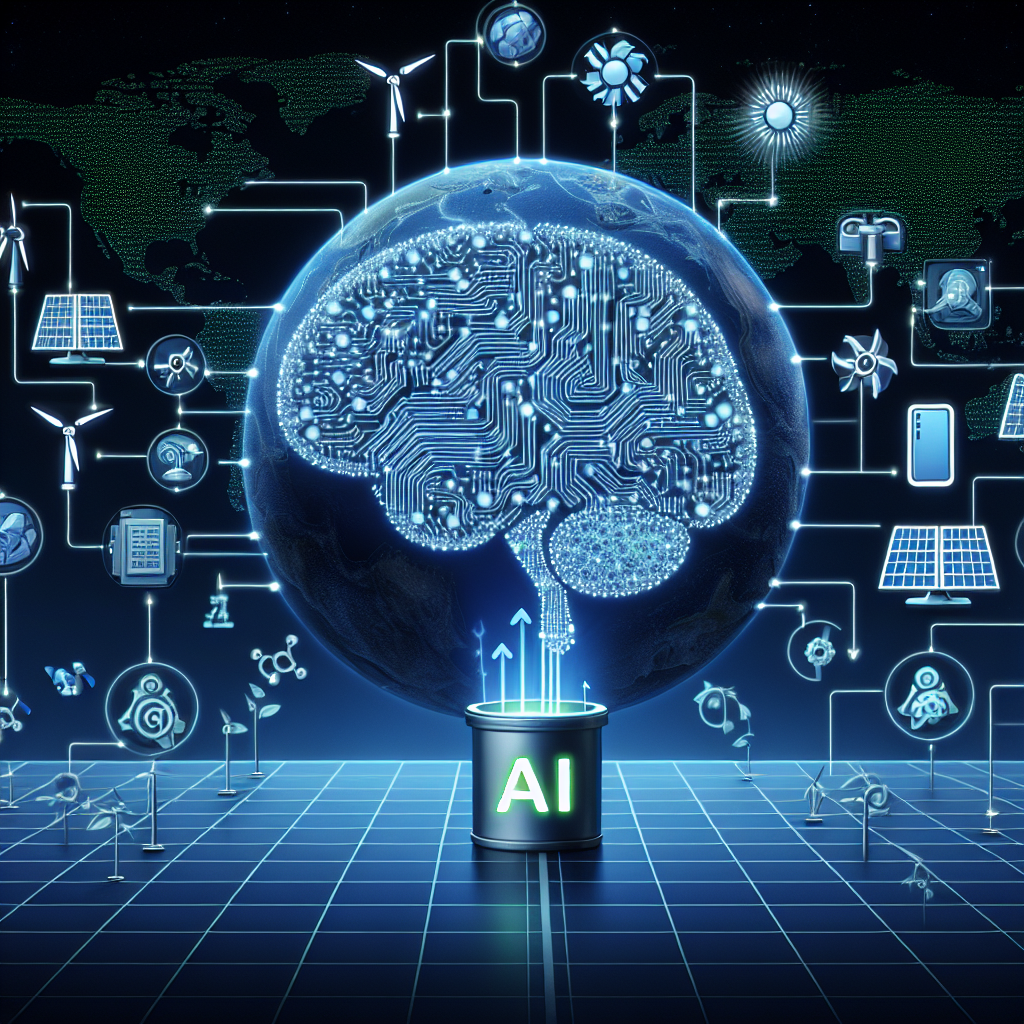
AI-Powered Solutions for Renewable Energy Market Development
The global demand for renewable energy sources has been steadily increasing in recent years, driven by concerns about climate change, energy security, and the need to reduce reliance on fossil fuels. As a result, the renewable energy market has been experiencing rapid growth, with investments in solar, wind, hydro, and other renewable technologies reaching record levels.
To meet this growing demand and ensure the efficient and sustainable development of renewable energy resources, companies and governments are increasingly turning to artificial intelligence (AI) powered solutions. AI technologies have the potential to revolutionize the renewable energy sector by optimizing energy production, improving grid stability, and reducing costs. In this article, we will explore the various AI-powered solutions that are driving the development of the renewable energy market.
1. Predictive Maintenance
One of the key challenges in renewable energy production is the maintenance of complex and often remote infrastructure such as wind turbines and solar panels. AI-powered predictive maintenance solutions can help companies identify potential issues before they occur, reducing downtime and increasing the efficiency of renewable energy systems.
These solutions use machine learning algorithms to analyze data from sensors and other sources to predict when equipment is likely to fail. By proactively addressing maintenance issues, companies can avoid costly repairs and improve the overall performance of their renewable energy assets.
2. Energy Forecasting
AI technologies can also be used to improve the accuracy of energy forecasting, which is essential for managing the variability of renewable energy sources such as wind and solar power. By analyzing historical data and real-time information, AI-powered forecasting models can predict energy production levels with greater precision, enabling grid operators to better balance supply and demand.
Improved energy forecasting can help reduce the need for backup power sources and enable the integration of more renewable energy into the grid. This, in turn, can lead to lower electricity costs and a more stable and sustainable energy system.
3. Grid Optimization
AI-powered solutions can also optimize the operation of the electric grid, enabling the efficient integration of renewable energy sources. By analyzing data from sensors, smart meters, and other sources, AI algorithms can help grid operators manage the flow of electricity, balance supply and demand, and prevent grid failures.
Grid optimization solutions can help reduce energy waste, increase grid reliability, and facilitate the integration of distributed energy resources such as rooftop solar panels and energy storage systems. By leveraging AI technologies, companies and governments can create a more flexible and responsive energy system that can adapt to changing conditions and support the growth of renewable energy.
4. Asset Performance Management
AI-powered asset performance management solutions can help companies maximize the efficiency and lifespan of renewable energy assets such as wind turbines, solar panels, and energy storage systems. By analyzing data from sensors and other sources, these solutions can identify opportunities for optimization, detect potential issues, and recommend maintenance actions.
Asset performance management solutions can help companies reduce operating costs, improve energy production, and extend the life of their renewable energy assets. By implementing these solutions, companies can maximize the return on their investments in renewable energy and contribute to a more sustainable energy future.
5. Demand Response
AI technologies can also enable demand response programs that incentivize consumers to reduce their energy consumption during periods of peak demand. By analyzing data from smart meters and other sources, AI algorithms can identify opportunities to shift energy use to off-peak hours, reduce energy waste, and lower electricity costs.
Demand response programs can help balance supply and demand, reduce the need for expensive peaker plants, and support the integration of renewable energy into the grid. By leveraging AI-powered demand response solutions, companies and consumers can play a more active role in managing their energy use and contributing to a more resilient and sustainable energy system.
FAQs
Q: How can AI technologies help reduce the cost of renewable energy?
A: AI technologies can help reduce the cost of renewable energy by optimizing the operation of renewable energy assets, improving energy forecasting, and enabling demand response programs. By increasing the efficiency and reliability of renewable energy systems, AI-powered solutions can lower operating costs, reduce the need for backup power sources, and enable the integration of more renewable energy into the grid.
Q: What are the challenges of implementing AI-powered solutions in the renewable energy sector?
A: One of the main challenges of implementing AI-powered solutions in the renewable energy sector is the availability of data. AI algorithms require large amounts of high-quality data to train and operate effectively. Additionally, companies may face regulatory and privacy concerns when collecting and analyzing data from renewable energy assets. Another challenge is the complexity of renewable energy systems, which may require specialized expertise to develop and implement AI solutions.
Q: How can companies and governments leverage AI technologies to accelerate the development of renewable energy?
A: Companies and governments can leverage AI technologies to accelerate the development of renewable energy by investing in AI research and development, partnering with AI technology providers, and integrating AI solutions into their renewable energy projects. By harnessing the power of AI, companies and governments can optimize energy production, improve grid stability, and reduce costs, leading to a more sustainable and efficient energy system.
In conclusion, AI-powered solutions have the potential to revolutionize the renewable energy sector by optimizing energy production, improving grid stability, and reducing costs. By leveraging AI technologies, companies and governments can accelerate the development of renewable energy resources and create a more sustainable and resilient energy system for the future.