
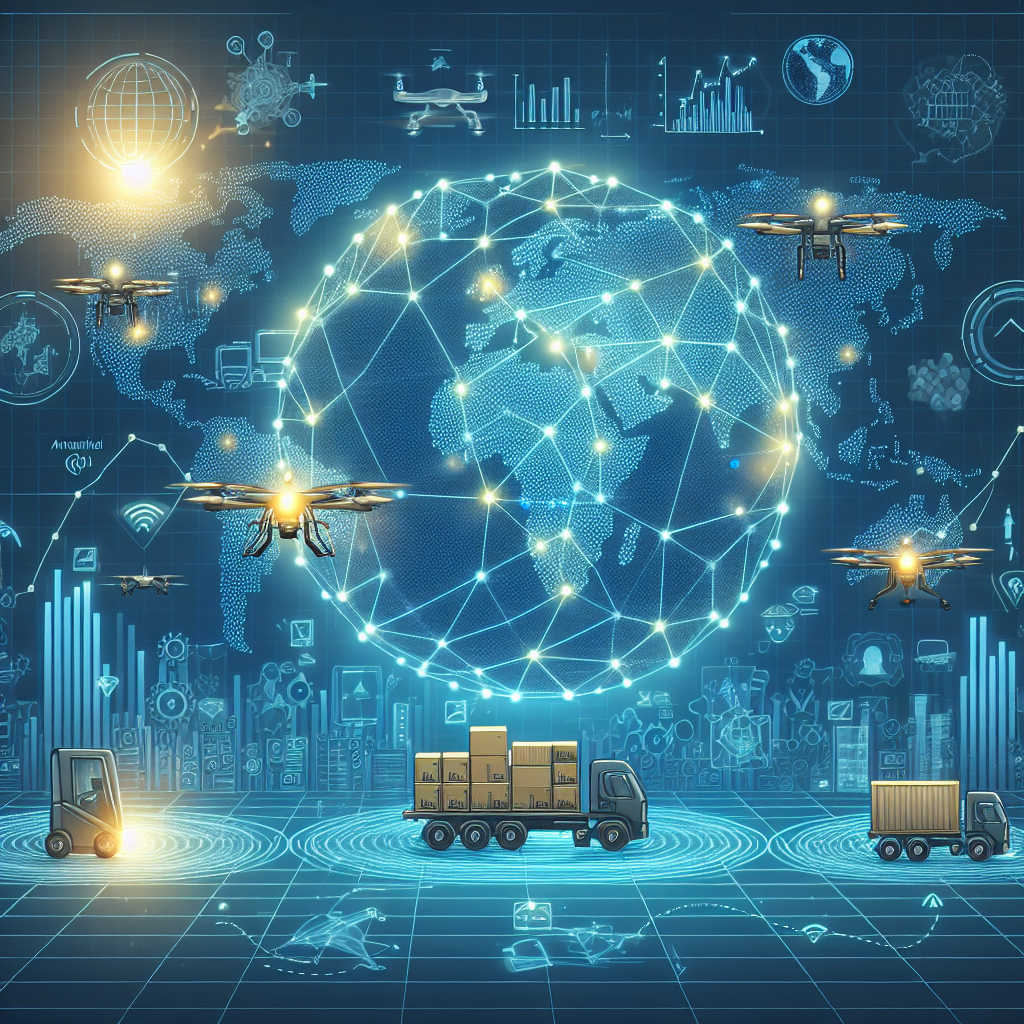
In recent years, the global supply chain has faced numerous challenges, from natural disasters to trade disputes, and most recently the COVID-19 pandemic. These disruptions have highlighted the need for companies to build resilience into their supply chains in order to adapt quickly to unforeseen events and ensure the continuity of their operations. One key strategy for enhancing supply chain resilience is the adoption of AI-powered solutions.
Artificial intelligence (AI) has the potential to transform supply chain management by providing real-time visibility, predictive analytics, and automation capabilities. By harnessing the power of AI, companies can proactively identify risks, optimize inventory levels, and streamline logistics operations to improve overall resilience. In this article, we will explore how AI-powered solutions can help companies build more resilient supply chains and navigate the challenges of an increasingly complex global marketplace.
Real-time Visibility
One of the key benefits of AI-powered solutions for supply chain resilience is the ability to provide real-time visibility into the entire supply chain network. Traditional supply chain management systems rely on historical data and manual processes, which can lead to delays in identifying disruptions or bottlenecks in the supply chain. AI, on the other hand, can analyze vast amounts of data in real-time to provide a comprehensive view of the entire supply chain, from suppliers to customers.
By leveraging AI-powered solutions, companies can monitor inventory levels, track shipments, and identify potential risks in real-time. This visibility enables companies to quickly respond to disruptions, such as supplier delays or transportation issues, and make informed decisions to mitigate the impact on their operations. For example, if a supplier experiences a production delay, AI can alert the company to potential inventory shortages and recommend alternative suppliers or distribution channels to ensure continuity of supply.
Predictive Analytics
Another key capability of AI-powered solutions is predictive analytics, which uses machine learning algorithms to forecast future trends and identify potential risks before they occur. By analyzing historical data and identifying patterns, AI can predict demand fluctuations, supplier performance, and market trends to help companies make more informed decisions and proactively manage risks.
For example, AI can analyze customer demand patterns to forecast future sales and optimize inventory levels to meet customer demand while minimizing excess inventory. AI can also analyze supplier performance data to identify potential risks, such as quality issues or delivery delays, and recommend alternative suppliers to mitigate these risks. By leveraging predictive analytics, companies can anticipate disruptions and take proactive measures to build resilience into their supply chains.
Automation
Automation is another key capability of AI-powered solutions that can help companies streamline their supply chain operations and improve efficiency. By automating manual processes, such as order processing, inventory management, and transportation planning, companies can reduce human error, improve productivity, and respond quickly to changing market conditions.
For example, AI-powered solutions can automate order processing by analyzing customer orders, inventory levels, and production capacity to optimize order fulfillment and minimize lead times. AI can also automate transportation planning by analyzing route optimization, carrier performance, and traffic conditions to minimize transportation costs and delivery times. By automating these processes, companies can improve operational efficiency and agility, enabling them to respond quickly to disruptions and maintain continuity of supply.
FAQs
Q: How can AI-powered solutions help companies build resilience into their supply chains?
A: AI-powered solutions can help companies build resilience into their supply chains by providing real-time visibility, predictive analytics, and automation capabilities. By monitoring inventory levels, tracking shipments, and identifying potential risks in real-time, companies can quickly respond to disruptions and make informed decisions to mitigate the impact on their operations. Predictive analytics can forecast future trends and identify potential risks before they occur, enabling companies to proactively manage risks and build resilience into their supply chains. Automation can streamline supply chain operations and improve efficiency, enabling companies to respond quickly to changing market conditions and maintain continuity of supply.
Q: What are some examples of AI-powered solutions for supply chain resilience?
A: Some examples of AI-powered solutions for supply chain resilience include real-time visibility platforms, predictive analytics tools, and automation systems. Real-time visibility platforms provide a comprehensive view of the entire supply chain network, enabling companies to monitor inventory levels, track shipments, and identify potential risks in real-time. Predictive analytics tools use machine learning algorithms to forecast future trends and identify potential risks before they occur, helping companies make more informed decisions and proactively manage risks. Automation systems streamline supply chain operations by automating manual processes, such as order processing, inventory management, and transportation planning, to improve efficiency and agility.
Q: What are the benefits of AI-powered solutions for supply chain resilience?
A: The benefits of AI-powered solutions for supply chain resilience include improved real-time visibility, predictive analytics, and automation capabilities. By providing real-time visibility into the entire supply chain network, AI-powered solutions enable companies to monitor inventory levels, track shipments, and identify potential risks in real-time, helping them respond quickly to disruptions and make informed decisions to mitigate the impact on their operations. Predictive analytics tools can forecast future trends and identify potential risks before they occur, enabling companies to proactively manage risks and build resilience into their supply chains. Automation systems streamline supply chain operations and improve efficiency, enabling companies to respond quickly to changing market conditions and maintain continuity of supply.
In conclusion, AI-powered solutions have the potential to transform supply chain management by providing real-time visibility, predictive analytics, and automation capabilities that can help companies build more resilient supply chains. By leveraging AI, companies can proactively identify risks, optimize inventory levels, and streamline logistics operations to improve overall resilience and navigate the challenges of an increasingly complex global marketplace. As companies continue to face disruptions and uncertainties in the supply chain, AI-powered solutions offer a powerful tool to enhance resilience and ensure the continuity of operations.