
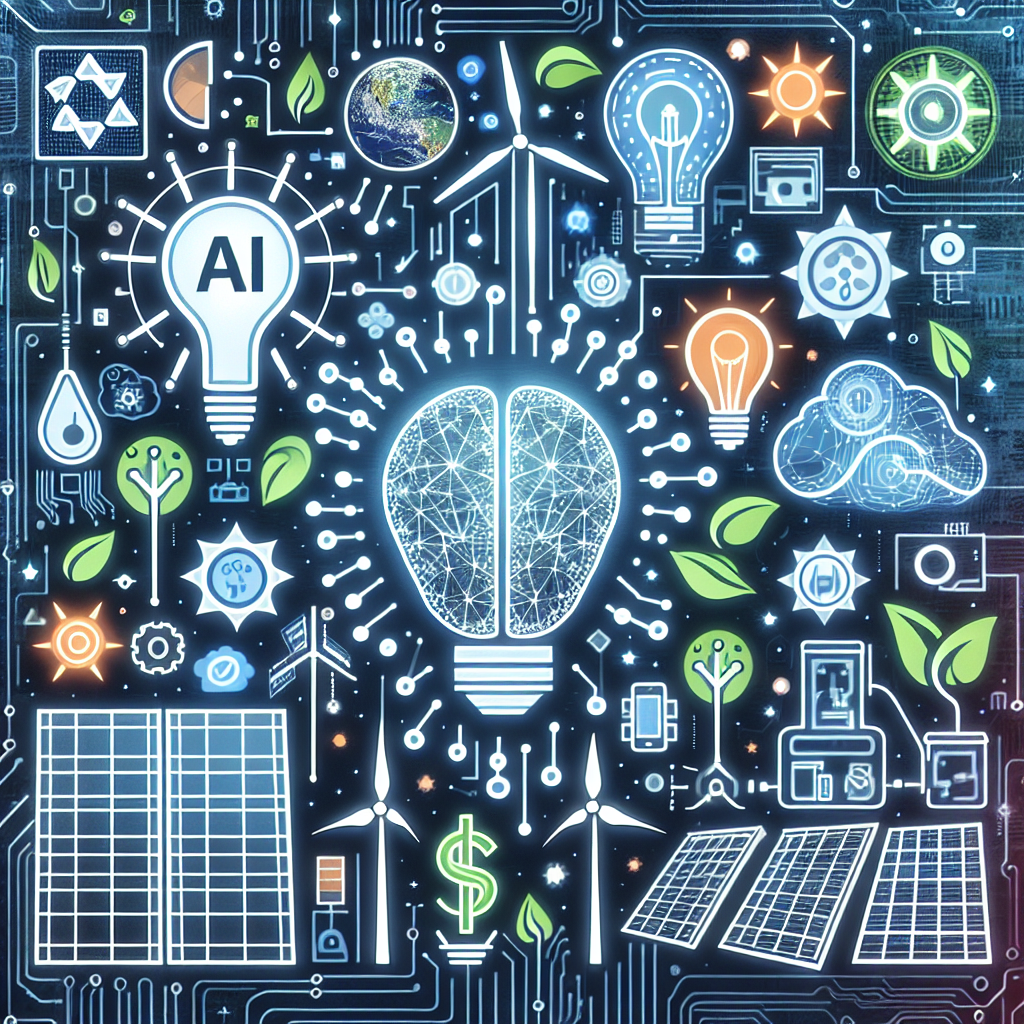
As global energy demand continues to rise and concerns around climate change intensify, the need for sustainable energy solutions has never been more pressing. One of the key challenges in the energy sector is improving energy efficiency and conservation to reduce waste and lower carbon emissions. Artificial Intelligence (AI) has emerged as a powerful tool in addressing these challenges, offering innovative solutions that can optimize energy usage, reduce costs, and promote sustainability.
AI-powered solutions for sustainable energy efficiency and conservation leverage advanced algorithms and machine learning techniques to analyze data, predict patterns, and make real-time adjustments to optimize energy consumption. These technologies can be applied across various sectors, from building management to transportation, enabling organizations to achieve significant energy savings and reduce their environmental footprint.
One of the key benefits of AI-powered solutions for energy efficiency is their ability to identify inefficiencies and opportunities for improvement that may go unnoticed by traditional methods. By analyzing data from sensors, meters, and other sources, AI algorithms can detect patterns, trends, and anomalies in energy usage, enabling organizations to identify areas where energy is being wasted and implement targeted interventions to optimize performance.
For example, in the building sector, AI-powered systems can analyze data from sensors and smart devices to identify opportunities for energy savings, such as adjusting heating and cooling settings based on occupancy patterns, optimizing lighting schedules, and identifying equipment malfunctions that may be causing energy waste. By continuously monitoring and analyzing energy usage in real-time, these systems can make automatic adjustments to optimize efficiency and reduce costs.
AI-powered solutions can also play a critical role in renewable energy integration, helping to manage the variability and unpredictability of renewable energy sources such as solar and wind. By analyzing weather forecasts, energy demand patterns, and grid conditions, AI algorithms can optimize the deployment of renewable energy resources, storage systems, and demand response programs to ensure a reliable and sustainable energy supply.
In the transportation sector, AI-powered solutions can optimize route planning, vehicle maintenance, and fuel efficiency to reduce energy consumption and emissions. By analyzing data from GPS devices, sensors, and traffic patterns, AI algorithms can optimize vehicle routes to minimize fuel consumption and emissions, identify maintenance issues before they occur, and promote eco-friendly driving behaviors among drivers.
Overall, AI-powered solutions for sustainable energy efficiency and conservation offer a range of benefits, including:
1. Cost savings: By optimizing energy usage and reducing waste, organizations can lower their energy bills and operating costs.
2. Environmental benefits: By reducing energy consumption and emissions, AI-powered solutions can help organizations achieve their sustainability goals and contribute to a cleaner, greener future.
3. Improved performance: By continuously monitoring and analyzing energy usage, AI algorithms can identify opportunities for improvement and make real-time adjustments to optimize performance.
4. Enhanced reliability: By managing the variability of renewable energy sources and optimizing energy storage and demand response programs, AI-powered solutions can ensure a reliable and resilient energy supply.
5. Increased competitiveness: By adopting AI-powered solutions for energy efficiency, organizations can gain a competitive edge in the market, attract environmentally-conscious customers, and enhance their brand reputation.
Despite the numerous benefits of AI-powered solutions for sustainable energy efficiency and conservation, there are also some challenges and considerations that organizations need to be aware of. These include:
1. Data privacy and security: AI-powered systems rely on large amounts of data to make predictions and optimize performance. Organizations need to ensure that data is collected, stored, and processed securely to protect sensitive information and comply with regulatory requirements.
2. Implementation costs: While AI-powered solutions can deliver significant cost savings in the long run, there may be upfront costs associated with deploying and integrating these technologies into existing systems.
3. Skill and knowledge gaps: Implementing AI-powered solutions for energy efficiency requires specialized expertise in data analytics, machine learning, and energy management. Organizations may need to invest in training and development programs to build the necessary skills within their workforce.
4. Regulatory and policy barriers: Regulatory frameworks and policies may need to be updated to support the deployment of AI-powered solutions for energy efficiency and conservation. Organizations need to be aware of any regulatory requirements and ensure compliance with relevant standards.
5. Integration with existing systems: AI-powered solutions need to be integrated with existing energy management systems, sensors, and devices to maximize their effectiveness. Organizations need to consider how these technologies will interact with their current infrastructure and plan for a smooth deployment process.
Despite these challenges, the potential benefits of AI-powered solutions for sustainable energy efficiency and conservation are significant. By leveraging advanced algorithms and machine learning techniques, organizations can optimize energy usage, reduce costs, and promote sustainability in a rapidly changing energy landscape.
FAQs:
1. What is AI-powered energy efficiency?
AI-powered energy efficiency refers to the use of artificial intelligence technologies, such as machine learning and data analytics, to optimize energy consumption, reduce waste, and promote sustainability. These technologies analyze data from sensors, meters, and other sources to identify patterns, trends, and anomalies in energy usage, enabling organizations to make real-time adjustments to optimize performance.
2. How can AI help improve energy conservation?
AI can help improve energy conservation by analyzing data from sensors, meters, and other sources to identify opportunities for energy savings and reduce waste. By detecting inefficiencies, predicting patterns, and making real-time adjustments, AI-powered solutions can optimize energy consumption, lower costs, and promote sustainability in various sectors, such as buildings, transportation, and renewable energy integration.
3. What are the benefits of AI-powered solutions for sustainable energy efficiency?
AI-powered solutions for sustainable energy efficiency offer a range of benefits, including cost savings, environmental benefits, improved performance, enhanced reliability, and increased competitiveness. By optimizing energy usage, reducing waste, and promoting sustainability, organizations can lower their energy bills, achieve their sustainability goals, enhance their brand reputation, and gain a competitive edge in the market.
4. What are the challenges of implementing AI-powered solutions for energy efficiency?
While AI-powered solutions for energy efficiency offer numerous benefits, there are also challenges that organizations need to consider, such as data privacy and security, implementation costs, skill and knowledge gaps, regulatory and policy barriers, and integration with existing systems. Organizations need to address these challenges to successfully deploy and integrate AI technologies into their energy management systems.
In conclusion, AI-powered solutions for sustainable energy efficiency and conservation offer a promising opportunity to address the challenges of rising energy demand, climate change, and environmental degradation. By leveraging advanced algorithms and machine learning techniques, organizations can optimize energy consumption, reduce waste, and promote sustainability in a rapidly changing energy landscape. Despite the challenges and considerations involved, the potential benefits of AI-powered solutions are significant, making them a valuable tool for organizations seeking to achieve energy efficiency and conservation goals in a sustainable and cost-effective manner.