
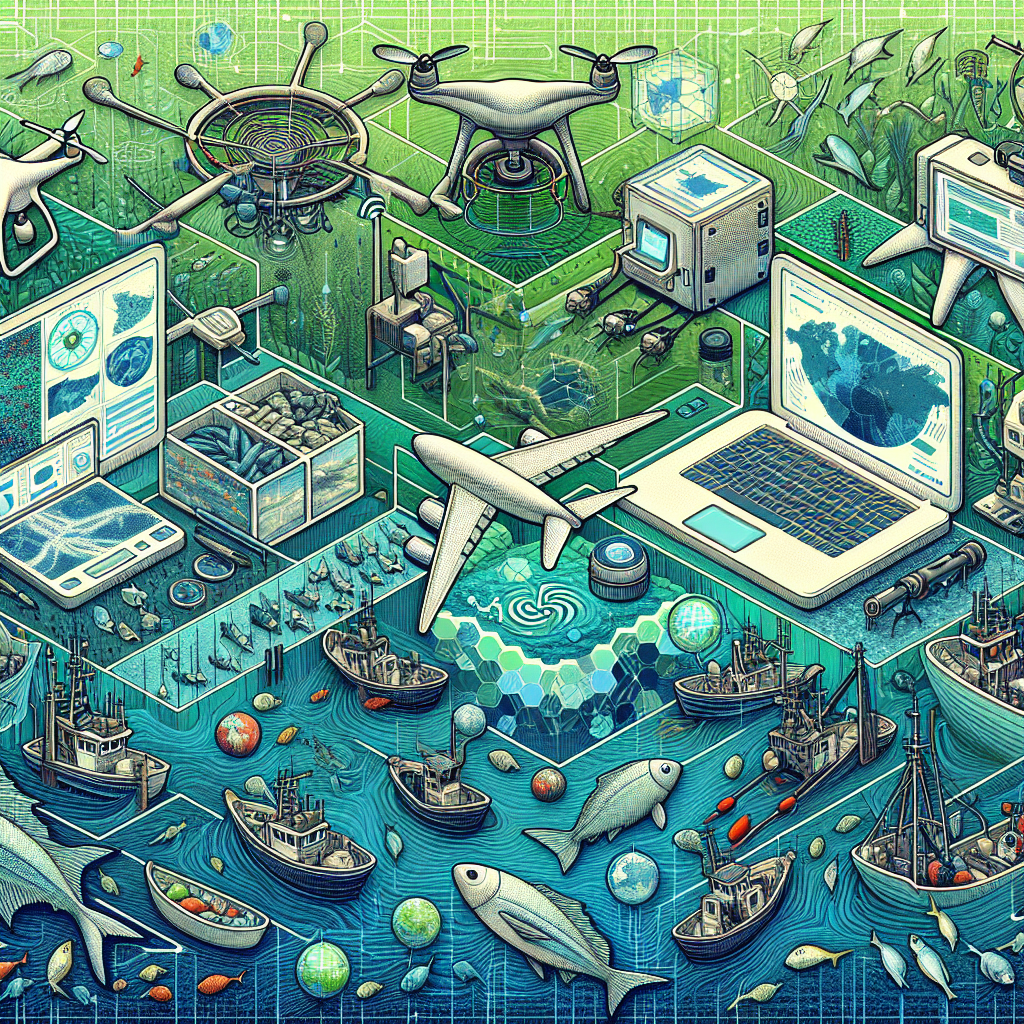
AI-Powered Solutions for Sustainable Fisheries Management and Conservation
With the world’s oceans facing increasing pressure from overfishing, climate change, and pollution, sustainable fisheries management and conservation have become critical priorities. Artificial intelligence (AI) is revolutionizing the way we approach these challenges, offering innovative solutions to help ensure the long-term health and viability of our marine ecosystems.
AI technology is being used in various ways to improve fisheries management and conservation efforts. From monitoring fish populations and tracking illegal fishing activities to predicting fish migration patterns and optimizing fishing practices, AI-powered solutions are helping to enhance the sustainability and efficiency of our oceans.
One of the key benefits of AI in fisheries management is its ability to process large amounts of data quickly and accurately. By analyzing data from satellite imagery, underwater sensors, and other sources, AI algorithms can provide real-time insights into the health of fish populations, the impact of fishing practices, and the effectiveness of conservation efforts.
For example, AI-powered tools can be used to monitor fish stocks in real-time, helping to prevent overfishing and ensure sustainable harvest levels. By analyzing data on fish migration patterns, breeding habitats, and environmental conditions, AI algorithms can help fisheries managers make informed decisions about when and where to fish, as well as when to implement conservation measures such as marine protected areas.
AI technology can also be used to combat illegal, unreported, and unregulated (IUU) fishing, which poses a significant threat to the sustainability of global fisheries. By analyzing satellite imagery and vessel tracking data, AI algorithms can detect suspicious fishing activities, such as fishing in prohibited areas or using illegal gear. This can help authorities identify and apprehend illegal fishing vessels, leading to more effective enforcement of fishing regulations and greater protection for marine ecosystems.
In addition to monitoring fish populations and combating illegal fishing activities, AI technology can also help to optimize fishing practices and reduce bycatch – the unintentional capture of non-target species. By analyzing data on fish behavior, ocean currents, and weather conditions, AI algorithms can help fishermen target specific species more effectively, reducing the amount of bycatch and minimizing the impact on endangered or threatened species.
Furthermore, AI-powered solutions can also be used to predict the impact of climate change on fish populations and marine ecosystems. By analyzing historical data on sea surface temperatures, ocean acidification, and other environmental factors, AI algorithms can help scientists forecast how these changes will affect fish migration patterns, breeding habitats, and food sources. This information can be used to develop strategies for adapting fisheries management practices to mitigate the impact of climate change and ensure the long-term sustainability of fish stocks.
Overall, AI technology has the potential to revolutionize the way we manage and conserve our fisheries. By providing real-time insights, optimizing fishing practices, and predicting the impact of environmental changes, AI-powered solutions can help ensure the long-term health and viability of our marine ecosystems.
FAQs:
Q: How is AI technology used in sustainable fisheries management?
A: AI technology is used in sustainable fisheries management to monitor fish populations, track illegal fishing activities, optimize fishing practices, and predict the impact of environmental changes on fish stocks and marine ecosystems.
Q: How can AI help prevent overfishing?
A: AI technology can help prevent overfishing by providing real-time insights into fish populations, migration patterns, and breeding habitats. By analyzing this data, fisheries managers can make informed decisions about when and where to fish, as well as when to implement conservation measures to ensure sustainable harvest levels.
Q: How does AI technology combat illegal fishing activities?
A: AI technology combats illegal fishing activities by analyzing satellite imagery and vessel tracking data to detect suspicious fishing activities, such as fishing in prohibited areas or using illegal gear. This information can help authorities identify and apprehend illegal fishing vessels, leading to more effective enforcement of fishing regulations.
Q: Can AI technology help reduce bycatch?
A: Yes, AI technology can help reduce bycatch by analyzing data on fish behavior, ocean currents, and weather conditions to help fishermen target specific species more effectively. By minimizing bycatch, AI-powered solutions can help protect endangered or threatened species and ensure the sustainability of global fisheries.
Q: How can AI technology help predict the impact of climate change on fish populations?
A: AI technology can help predict the impact of climate change on fish populations by analyzing historical data on sea surface temperatures, ocean acidification, and other environmental factors. By forecasting how these changes will affect fish migration patterns, breeding habitats, and food sources, AI algorithms can help scientists develop strategies for adapting fisheries management practices to mitigate the impact of climate change.