
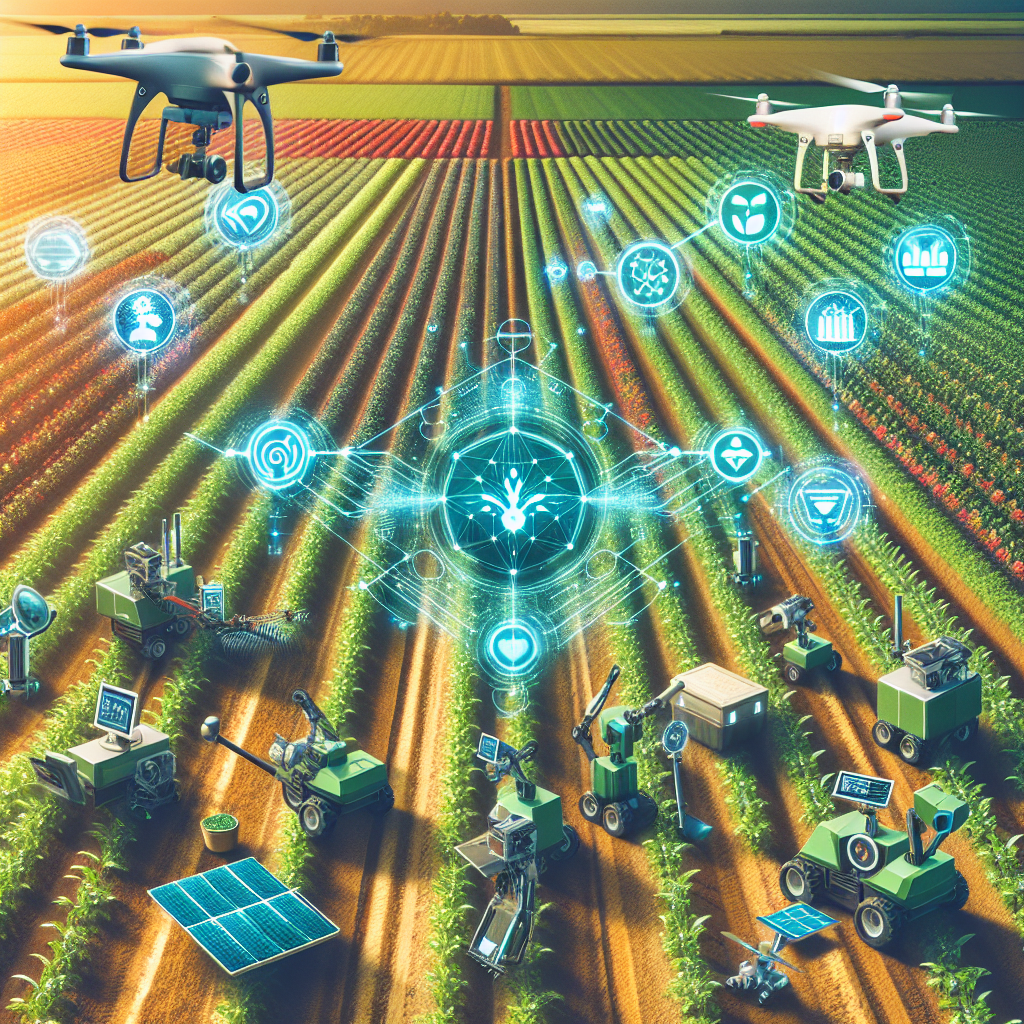
AI-Powered Tools for Crop Health Monitoring
In recent years, the agriculture industry has seen a significant transformation with the advent of artificial intelligence (AI) technology. One area where AI has made a particularly powerful impact is in crop health monitoring. By leveraging AI-powered tools, farmers can now more accurately assess the health of their crops, identify potential issues early on, and take proactive measures to improve yields and overall crop health. In this article, we will explore some of the key AI-powered tools that are being used for crop health monitoring and their benefits.
1. Remote Sensing
Remote sensing technology, combined with AI algorithms, is revolutionizing crop health monitoring. Remote sensing involves the use of satellites, drones, or other aerial vehicles to collect data on various aspects of crop health, such as moisture levels, nutrient content, and pest infestations. AI algorithms can then analyze this data in real-time to provide farmers with insights on the overall health of their crops.
One example of a remote sensing tool that utilizes AI is the CropX platform. CropX uses satellite imagery and soil sensors to monitor soil moisture levels and nutrient content. The AI algorithms analyze this data to provide farmers with recommendations on when to water their crops and how much fertilizer to apply. This helps farmers optimize their irrigation and fertilization practices, leading to healthier crops and higher yields.
2. Disease Detection
AI-powered tools are also being used to detect diseases in crops at an early stage. Diseases can significantly impact crop yields if left untreated, so early detection is crucial for effective management. AI algorithms can analyze images of crops taken by drones or other devices to identify symptoms of diseases, such as discoloration or lesions.
One example of a disease detection tool powered by AI is the Plantix app. Plantix uses image recognition technology to identify diseases in crops based on photos uploaded by farmers. The AI algorithms can accurately diagnose a wide range of diseases, from fungal infections to viral diseases. This allows farmers to take immediate action to treat the affected crops and prevent the spread of the disease to other plants.
3. Weed Management
Weeds compete with crops for resources such as sunlight, water, and nutrients, leading to reduced yields. Traditional methods of weed management, such as manual weeding or chemical herbicides, can be time-consuming and environmentally harmful. AI-powered tools offer a more sustainable and efficient solution to weed management.
One example of an AI-powered weed management tool is the Blue River Technology See & Spray system. This system uses computer vision technology to identify weeds in real-time as the tractor moves through the field. The AI algorithms then activate individual spray nozzles to target and spray only the weeds, reducing the amount of herbicide used and minimizing the impact on the environment.
Benefits of AI-Powered Tools for Crop Health Monitoring
There are several key benefits of using AI-powered tools for crop health monitoring:
1. Improved Accuracy: AI algorithms can analyze large amounts of data quickly and accurately, providing farmers with more precise insights into the health of their crops. This allows farmers to make informed decisions on how to best manage their crops and optimize yields.
2. Early Detection of Issues: AI-powered tools can detect issues such as nutrient deficiencies, pest infestations, or diseases at an early stage, before they become widespread and cause significant damage to the crops. This early detection allows farmers to take proactive measures to address the issues and minimize their impact on yields.
3. Sustainable Practices: AI-powered tools can help farmers adopt more sustainable practices, such as precision agriculture techniques that reduce the use of water, fertilizer, and pesticides. By optimizing resource use and minimizing environmental impact, farmers can improve the long-term health of their crops and the sustainability of their operations.
4. Cost Savings: By using AI-powered tools for crop health monitoring, farmers can reduce their input costs, such as water, fertilizer, and pesticides. By optimizing resource use and minimizing waste, farmers can improve their bottom line and increase profitability.
5. Increased Yields: By monitoring the health of their crops more effectively and taking proactive measures to address issues, farmers can improve yields and overall crop quality. AI-powered tools can help farmers maximize their production and achieve higher profits.
FAQs
Q: How do AI-powered tools for crop health monitoring work?
A: AI-powered tools for crop health monitoring use various technologies, such as remote sensing, image recognition, and computer vision, to collect data on the health of crops. AI algorithms then analyze this data to provide farmers with insights on issues such as nutrient deficiencies, pest infestations, and diseases. This information helps farmers make informed decisions on how to best manage their crops and optimize yields.
Q: Are AI-powered tools for crop health monitoring expensive?
A: The cost of AI-powered tools for crop health monitoring can vary depending on the specific technology and services used. However, many farmers find that the benefits of using AI-powered tools, such as improved accuracy, early detection of issues, and cost savings, outweigh the initial investment. Additionally, there are now a growing number of affordable options available to farmers of all sizes.
Q: Can AI-powered tools for crop health monitoring be used in all types of crops?
A: AI-powered tools for crop health monitoring can be used in a wide range of crops, including fruits, vegetables, grains, and more. The technology can be adapted to different crop types and growing conditions, making it a versatile tool for farmers in various regions and climates.
In conclusion, AI-powered tools for crop health monitoring are revolutionizing the agriculture industry by providing farmers with more accurate insights into the health of their crops and enabling them to take proactive measures to optimize yields and sustainability. By leveraging technologies such as remote sensing, disease detection, and weed management, farmers can improve their crop management practices and achieve higher profits. As AI technology continues to advance, we can expect to see even more innovative tools and solutions for crop health monitoring in the future.