
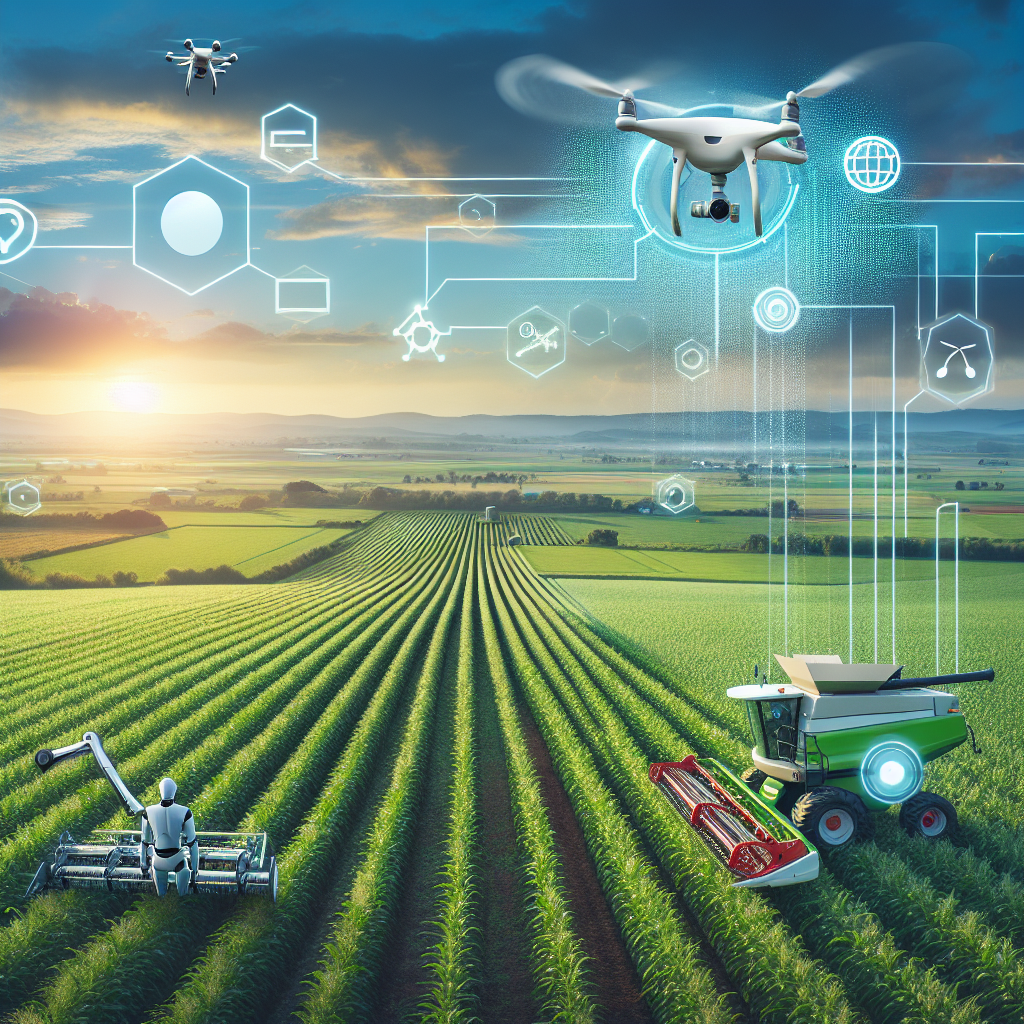
In recent years, the agriculture sector has seen a significant transformation with the advent of artificial intelligence (AI) technology. AI-powered tools are revolutionizing the way agricultural extension services are delivered, making them more efficient, cost-effective, and tailored to the specific needs of farmers.
Agricultural extension services are crucial for providing farmers with the knowledge, skills, and resources they need to improve their agricultural practices and increase their productivity. These services traditionally involve the dissemination of information through workshops, training sessions, and field visits. However, with the help of AI-powered tools, agricultural extension services can be taken to the next level.
AI-powered tools use algorithms and machine learning to analyze data and provide insights that can help farmers make informed decisions. These tools can analyze data on weather patterns, soil conditions, crop diseases, market trends, and more to provide personalized recommendations to farmers. By harnessing the power of AI, agricultural extension services can be more targeted, efficient, and effective in helping farmers improve their yields and livelihoods.
One example of an AI-powered tool for enhancing agricultural extension services is FarmBeats, developed by Microsoft. FarmBeats uses AI and Internet of Things (IoT) technology to collect data from sensors placed in the field and analyze it to provide farmers with real-time insights. This data can help farmers optimize their irrigation schedules, detect early signs of pest infestations, and make informed decisions about crop management.
Another example is Plantix, a mobile app that uses AI to identify plant diseases and nutrient deficiencies. Farmers can take a picture of a sick plant, and the app will analyze the image to diagnose the problem and recommend appropriate treatments. Plantix also provides farmers with information on best practices for crop management, soil health, and sustainable agriculture.
AI-powered tools can also help agricultural extension services reach more farmers in remote or underserved areas. By leveraging mobile technology and cloud computing, these tools can deliver information and training to farmers through their smartphones, even in areas with limited internet connectivity. This helps extension services overcome logistical challenges and reach a wider audience of farmers who can benefit from their expertise.
In addition to improving the delivery of agricultural extension services, AI-powered tools can also help extension workers better understand the needs and challenges of farmers. By analyzing data on farming practices, crop yields, and market trends, these tools can provide insights that can inform the development of more targeted and effective extension programs. This data-driven approach can help extension workers tailor their recommendations to the specific needs of individual farmers, leading to better outcomes and increased adoption of sustainable agricultural practices.
Despite the many benefits of AI-powered tools for enhancing agricultural extension services, there are also challenges and limitations to consider. One of the main challenges is the cost of implementing and maintaining these tools, especially for small-scale farmers and extension services with limited resources. Additionally, there may be concerns about data privacy and security, as AI-powered tools rely on collecting and analyzing large amounts of data from farmers.
Moreover, there may be a lack of technical expertise among extension workers to effectively use AI-powered tools. Training and capacity-building efforts will be needed to ensure that extension workers are equipped with the skills and knowledge to leverage these tools effectively. Finally, there may be concerns about the digital divide, as not all farmers have access to smartphones or reliable internet connectivity, which can limit the reach and impact of AI-powered tools in some regions.
In conclusion, AI-powered tools have the potential to revolutionize agricultural extension services by providing farmers with personalized recommendations, improving the efficiency of extension programs, and reaching more farmers in remote areas. While there are challenges and limitations to consider, the benefits of using AI in agriculture are clear. By harnessing the power of AI, agricultural extension services can help farmers increase their productivity, improve their livelihoods, and contribute to a more sustainable and resilient agricultural sector.
FAQs:
Q: How can AI-powered tools benefit farmers?
A: AI-powered tools can benefit farmers by providing personalized recommendations for crop management, optimizing irrigation schedules, detecting plant diseases, and improving productivity and yields.
Q: Are AI-powered tools accessible to small-scale farmers?
A: The accessibility of AI-powered tools to small-scale farmers may vary depending on factors such as cost, technical expertise, and internet connectivity. Efforts are being made to make these tools more accessible and user-friendly for farmers with limited resources.
Q: Are there concerns about data privacy and security with AI-powered tools?
A: Yes, there may be concerns about data privacy and security with AI-powered tools, as they rely on collecting and analyzing large amounts of data from farmers. Efforts are being made to address these concerns and ensure that farmers’ data is protected and used responsibly.
Q: How can extension workers benefit from using AI-powered tools?
A: Extension workers can benefit from using AI-powered tools by gaining insights into farming practices, crop yields, and market trends that can inform the development of more targeted and effective extension programs. These tools can help extension workers tailor their recommendations to the specific needs of individual farmers, leading to better outcomes and increased adoption of sustainable agricultural practices.