
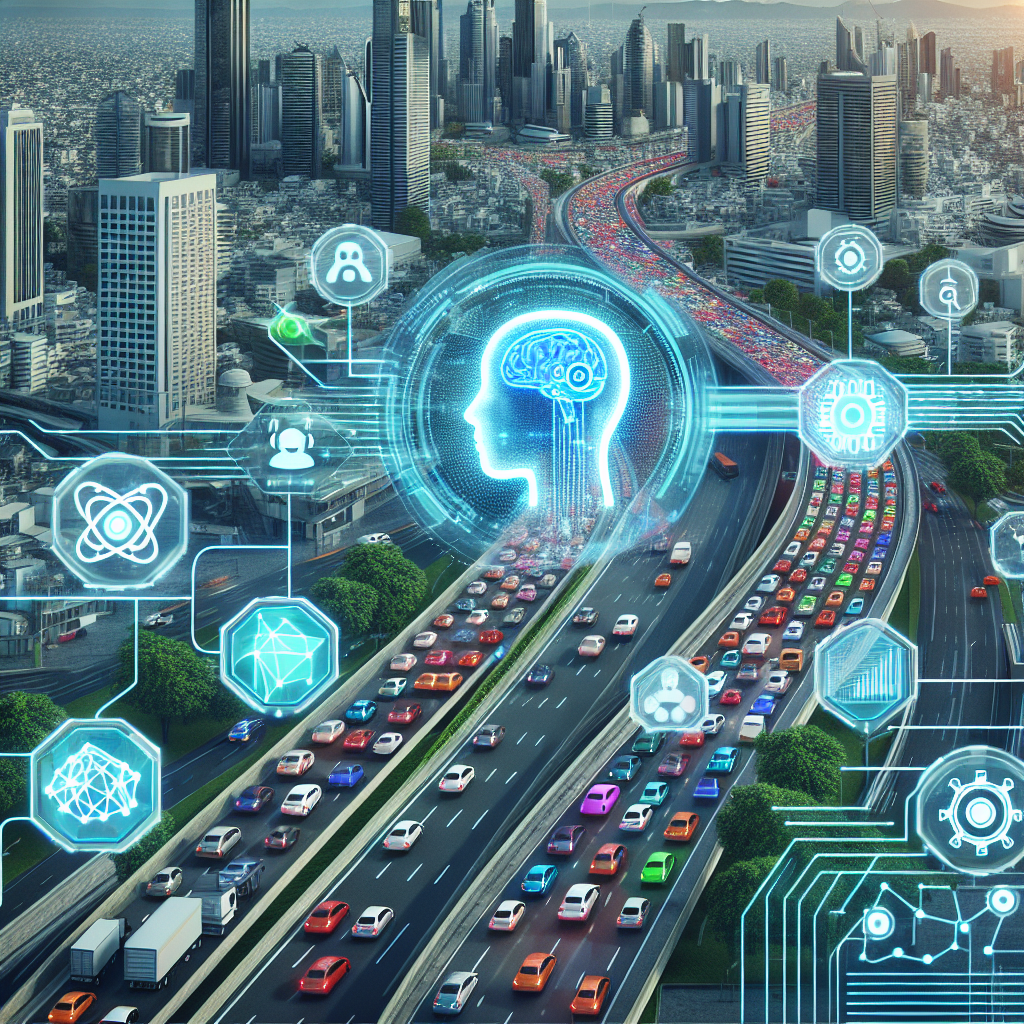
In today’s fast-paced world, traffic congestion has become a major issue in urban areas around the world. As populations grow and more vehicles hit the roads, traditional traffic management systems are struggling to keep up with the increasing demand. This is where AI-powered traffic management solutions come into play, offering a more efficient and effective way to manage traffic flow and reduce congestion.
AI-powered traffic management solutions use advanced technologies such as artificial intelligence, machine learning, and data analytics to optimize traffic flow, improve safety, and reduce environmental impact. These solutions can collect and process real-time data from various sources, such as traffic cameras, sensors, and GPS devices, to make informed decisions and adjust traffic signals accordingly. By analyzing historical traffic patterns and predicting future trends, AI-powered systems can dynamically adapt to changing conditions and optimize traffic flow in real-time.
One of the key benefits of AI-powered traffic management solutions is their ability to reduce congestion and improve traffic flow. By analyzing traffic data and predicting congestion hotspots, these systems can adjust traffic signals and reroute vehicles to less congested routes, thereby reducing travel times and improving overall traffic efficiency. This not only benefits drivers by reducing stress and frustration but also helps to lower fuel consumption and emissions, contributing to a cleaner and greener environment.
Another important aspect of AI-powered traffic management solutions is their ability to enhance safety on the roads. By analyzing real-time traffic data and detecting potential hazards, such as accidents or road closures, these systems can alert drivers and emergency services, helping to prevent accidents and reduce response times. Additionally, AI-powered systems can optimize traffic flow at intersections and pedestrian crossings, reducing the risk of collisions and improving overall road safety.
Furthermore, AI-powered traffic management solutions can also improve the overall transportation infrastructure by providing valuable insights and data to city planners and policymakers. By analyzing traffic patterns and identifying bottlenecks, these systems can help to optimize road layouts, improve public transportation routes, and enhance overall urban planning. This can lead to more sustainable and efficient transportation systems, benefiting both residents and businesses in the long run.
Overall, AI-powered traffic management solutions offer a promising way to address the growing challenges of traffic congestion and urban mobility. By leveraging advanced technologies and data analytics, these systems can optimize traffic flow, improve safety, and enhance overall transportation efficiency. As cities continue to grow and evolve, AI-powered traffic management solutions will play an increasingly important role in creating smarter, more sustainable urban environments.
FAQs:
1. How does AI-powered traffic management work?
AI-powered traffic management systems use advanced technologies such as artificial intelligence, machine learning, and data analytics to collect and analyze real-time traffic data from various sources, such as traffic cameras, sensors, and GPS devices. By processing this data and predicting traffic patterns, these systems can adjust traffic signals, reroute vehicles, and optimize traffic flow in real-time.
2. What are the benefits of AI-powered traffic management solutions?
AI-powered traffic management solutions offer a range of benefits, including reducing congestion, improving traffic flow, enhancing safety, and lowering environmental impact. By analyzing traffic data and predicting congestion hotspots, these systems can optimize traffic flow and reduce travel times, benefiting both drivers and the environment.
3. How can AI-powered traffic management solutions improve road safety?
AI-powered traffic management solutions can improve road safety by analyzing real-time traffic data, detecting potential hazards, and alerting drivers and emergency services. By optimizing traffic flow at intersections and pedestrian crossings, these systems can reduce the risk of collisions and improve overall road safety.
4. How can AI-powered traffic management solutions benefit city planners and policymakers?
AI-powered traffic management solutions can provide valuable insights and data to city planners and policymakers, helping them to optimize road layouts, improve public transportation routes, and enhance overall urban planning. By analyzing traffic patterns and identifying bottlenecks, these systems can contribute to more sustainable and efficient transportation systems.
5. Are AI-powered traffic management solutions cost-effective?
While the initial investment in AI-powered traffic management solutions may be high, the long-term benefits in terms of reduced congestion, improved traffic flow, and enhanced safety can outweigh the costs. By optimizing traffic efficiency and reducing travel times, these systems can lead to significant savings in fuel consumption and emissions, benefiting both the environment and the economy.