
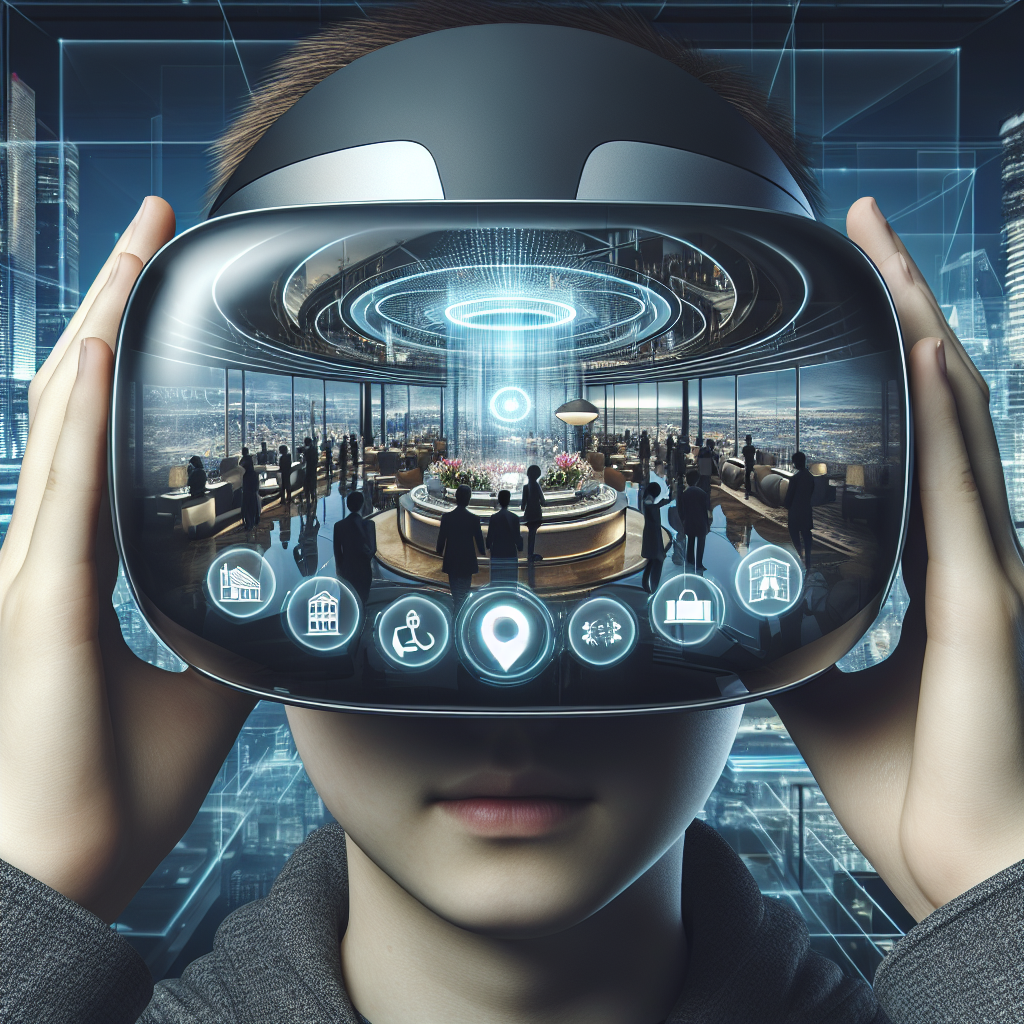
In recent years, the hospitality industry has been revolutionized by the combination of artificial intelligence (AI) and virtual reality (VR) technologies. These cutting-edge technologies have enabled hotels to create immersive and personalized experiences for their guests, enhancing their stay and leaving a lasting impression.
AI-powered VR experiences for hotel guests encompass a wide range of applications, from virtual tours of hotel rooms and amenities to interactive concierge services and personalized recommendations. By leveraging AI algorithms and VR technology, hotels can offer guests a highly engaging and customized experience that caters to their individual preferences and needs.
One of the key benefits of AI-powered VR experiences for hotel guests is the ability to provide a virtual tour of the hotel and its amenities before they arrive. This allows guests to explore the hotel’s facilities, such as the lobby, restaurants, spa, and pool, as well as different room types, layouts, and views. By experiencing these spaces in VR, guests can get a sense of the hotel’s atmosphere and design, helping them make more informed decisions when booking their stay.
Furthermore, AI-powered VR experiences can also be used to provide interactive concierge services to guests. By integrating AI chatbots into the VR experience, guests can ask questions, make reservations, and receive personalized recommendations for dining, activities, and sightseeing. This not only enhances the guest experience but also frees up hotel staff to focus on more complex and personalized guest interactions.
Another exciting application of AI-powered VR experiences for hotel guests is the ability to create personalized experiences based on guest preferences and behavior. By analyzing data such as past bookings, reviews, and social media activity, AI algorithms can recommend customized activities, dining options, and room amenities to enhance the guest’s stay. For example, a guest who frequently dines at fine dining restaurants may receive recommendations for upscale dining options, while a guest who enjoys outdoor activities may be directed to nearby hiking trails or bike rentals.
In addition to enhancing the guest experience, AI-powered VR experiences can also benefit hotels by increasing revenue and loyalty. By offering personalized recommendations and upselling opportunities through the VR experience, hotels can drive additional revenue from dining, spa services, room upgrades, and activities. Moreover, by providing a seamless and immersive experience for guests, hotels can increase guest satisfaction and loyalty, leading to repeat bookings and positive reviews.
Overall, AI-powered VR experiences for hotel guests represent a transformative opportunity for the hospitality industry to create innovative and personalized experiences that differentiate their brand and drive guest satisfaction and loyalty. By leveraging the power of AI algorithms and VR technology, hotels can create immersive and customized experiences that cater to the individual preferences and needs of their guests, ultimately enhancing the overall guest experience and driving revenue and loyalty.
FAQs:
Q: How do AI-powered VR experiences benefit hotel guests?
A: AI-powered VR experiences benefit hotel guests by providing virtual tours of hotel amenities, interactive concierge services, and personalized recommendations based on guest preferences. These experiences enhance the guest experience, making their stay more engaging and memorable.
Q: How can hotels use AI-powered VR experiences to increase revenue?
A: Hotels can use AI-powered VR experiences to increase revenue by offering personalized recommendations and upselling opportunities for dining, spa services, room upgrades, and activities. By tailoring these offerings to the individual preferences of guests, hotels can drive additional revenue and enhance the overall guest experience.
Q: How do AI algorithms analyze guest data to provide personalized recommendations?
A: AI algorithms analyze guest data such as past bookings, reviews, and social media activity to identify patterns and preferences. Based on this data, the algorithms can recommend customized activities, dining options, and room amenities that align with the guest’s interests and behavior.
Q: How can hotels integrate AI chatbots into the VR experience for interactive concierge services?
A: Hotels can integrate AI chatbots into the VR experience by creating a virtual concierge platform where guests can ask questions, make reservations, and receive personalized recommendations. This interactive feature enhances the guest experience and provides a convenient and efficient way for guests to access information and services during their stay.