
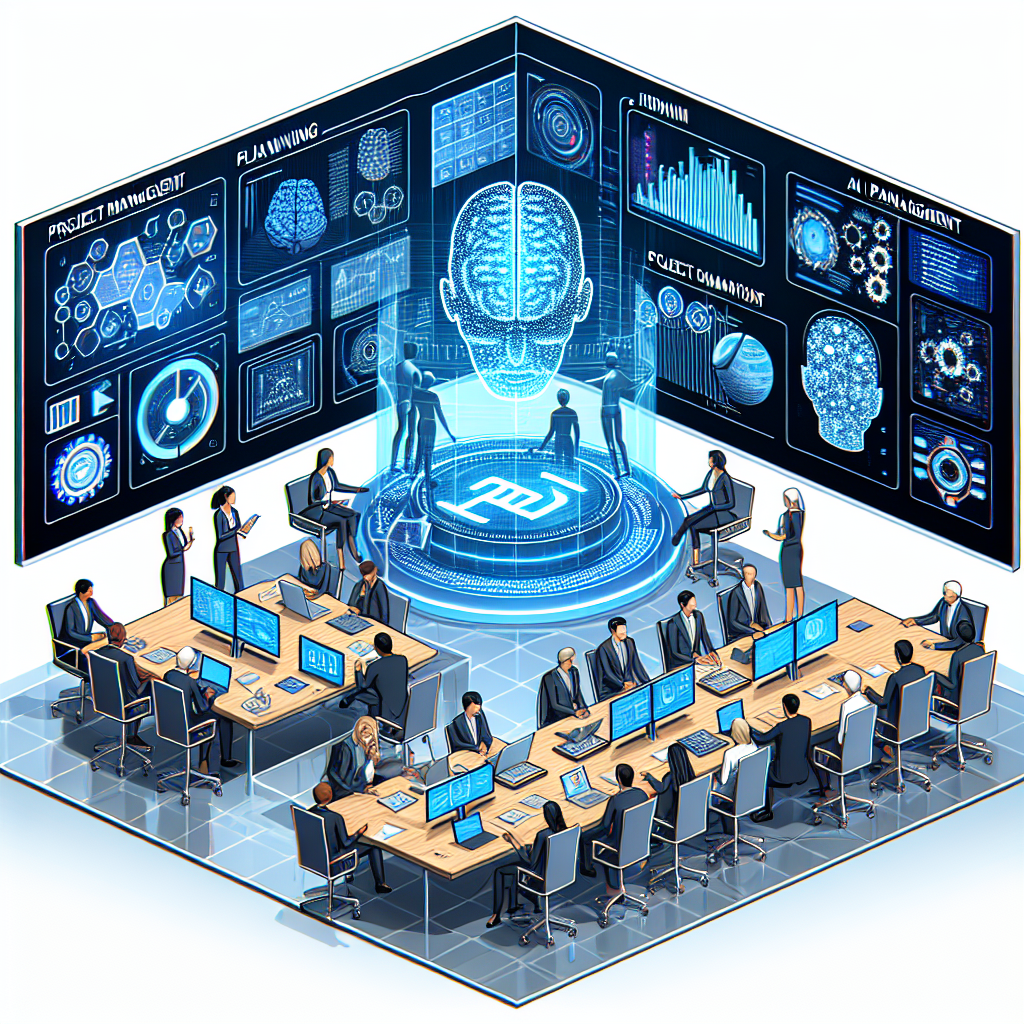
In recent years, project management has seen a significant transformation with the integration of artificial intelligence (AI) technologies. From planning to execution, AI has revolutionized the way projects are handled, making them more efficient, accurate, and cost-effective. In this article, we will explore the various aspects of AI project management, from the planning phase to the execution of tasks, and discuss how organizations can leverage AI to improve project outcomes.
Planning Phase:
One of the key benefits of using AI in project management is its ability to assist in the planning phase. AI algorithms can analyze historical project data to identify patterns and trends, helping project managers make more informed decisions about resource allocation, timelines, and risk management. By leveraging AI-powered tools, project managers can create more accurate project plans that take into account potential roadblocks and bottlenecks, thus reducing the likelihood of delays and cost overruns.
AI can also help in optimizing resource allocation by matching the right skills to the right tasks. By analyzing employee performance data and skill sets, AI algorithms can recommend the best team composition for a given project, ensuring that tasks are assigned to the most qualified individuals. This not only improves project efficiency but also enhances employee satisfaction by aligning their strengths with project requirements.
Execution Phase:
Once the project plan is in place, AI continues to play a crucial role in the execution phase by monitoring progress, identifying issues, and recommending corrective actions. AI-powered project management tools can track key performance indicators in real-time, providing project managers with up-to-date information on project status and performance metrics. This enables them to quickly identify any deviations from the plan and take proactive measures to address them before they escalate into larger problems.
AI can also help in automating routine tasks, such as scheduling meetings, sending reminders, and updating project timelines. By freeing up project managers from administrative tasks, AI allows them to focus on more strategic activities, such as risk management, stakeholder communication, and decision-making. This leads to improved project outcomes and higher productivity levels among team members.
In addition, AI can assist in risk management by predicting potential risks based on historical data and project characteristics. By analyzing past project failures and successes, AI algorithms can identify patterns that indicate a high likelihood of risk occurrence, allowing project managers to take preventive measures to mitigate these risks. This proactive approach to risk management minimizes the impact of unforeseen events on project timelines and budgets, ensuring successful project delivery.
FAQs:
1. What are the benefits of using AI in project management?
– AI improves project planning by analyzing historical data and identifying patterns.
– AI optimizes resource allocation by matching skills to tasks.
– AI monitors project progress in real-time and recommends corrective actions.
– AI automates routine tasks, freeing up project managers for strategic activities.
– AI assists in risk management by predicting potential risks and recommending preventive measures.
2. How can organizations leverage AI for project management?
– Organizations can invest in AI-powered project management tools that automate tasks and provide real-time analytics.
– Organizations can train their project managers and team members on how to use AI tools effectively.
– Organizations can collaborate with AI specialists to develop custom AI solutions that meet their specific project management needs.
3. What are the challenges of implementing AI in project management?
– Data quality and availability: AI algorithms require high-quality, relevant data to make accurate predictions and recommendations.
– Resistance to change: Some project managers and team members may be hesitant to adopt AI technologies due to fear of job displacement or lack of understanding.
– Integration with existing systems: Organizations may face challenges in integrating AI tools with their existing project management systems and processes.
In conclusion, AI project management offers numerous benefits, from improved planning and resource allocation to real-time monitoring and risk management. By leveraging AI technologies, organizations can streamline their project management processes, increase efficiency, and deliver successful projects on time and within budget. As AI continues to advance, the role of AI in project management will only grow, transforming the way projects are managed and executed in the future.