
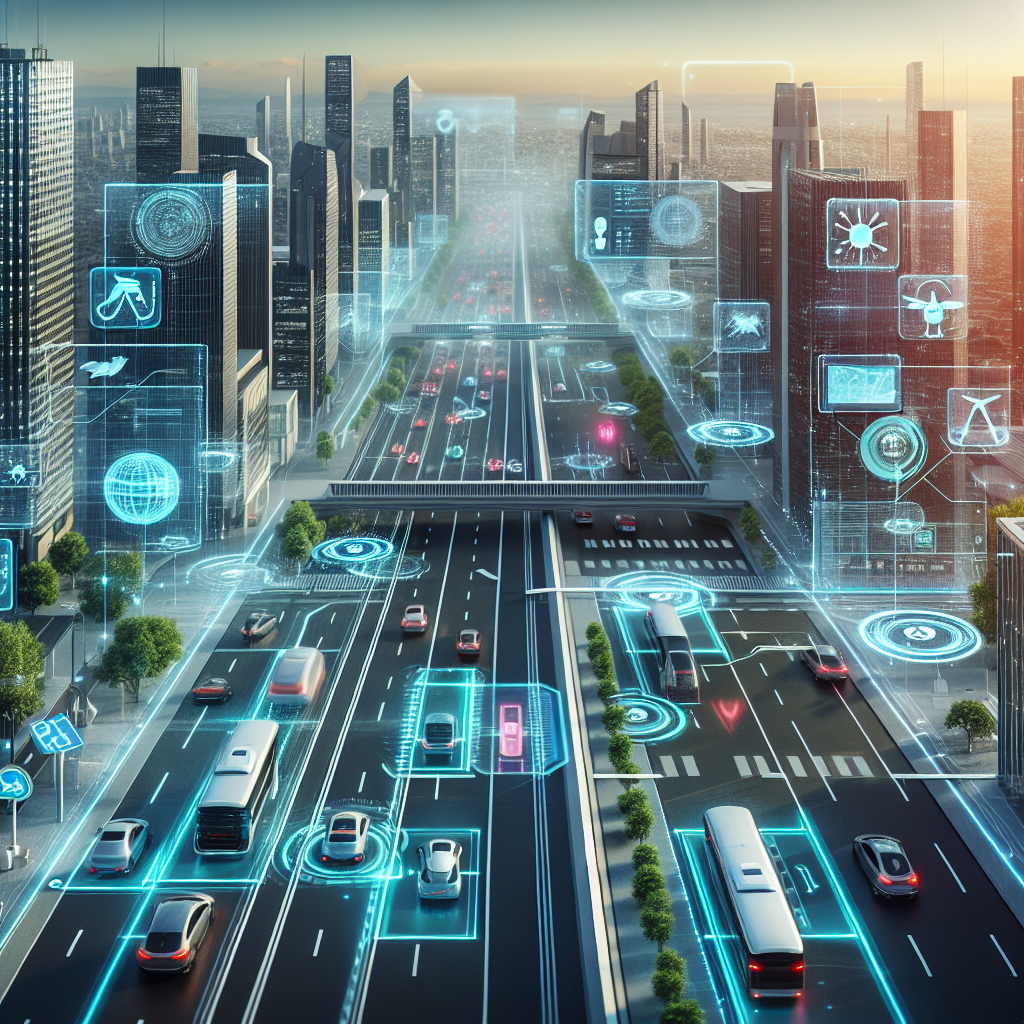
In recent years, traffic congestion has become a major issue in urban areas around the world. With the increase in population and the number of vehicles on the roads, traditional traffic management systems are struggling to keep up with the demand. This is where artificial intelligence (AI) solutions come into play. AI has the potential to revolutionize traffic management by providing real-time data analysis and optimization to improve traffic flow, reduce congestion, and enhance overall safety on the roads.
AI solutions for traffic management can take many forms, from smart traffic lights that adjust their timing based on traffic conditions to predictive analytics that can anticipate traffic patterns and adjust routes accordingly. These technologies have the potential to transform the way we think about traffic management and help us create more efficient and sustainable transportation systems.
One of the key benefits of AI solutions for traffic management is their ability to provide real-time data analysis. Traditional traffic management systems rely on static data and pre-determined algorithms to control traffic flow. However, AI solutions can analyze real-time data from sensors, cameras, and other sources to make informed decisions about traffic flow in real-time. This allows for more dynamic and responsive traffic management, leading to improved traffic flow and reduced congestion.
Another benefit of AI solutions for traffic management is their ability to optimize traffic flow. By analyzing data on traffic patterns, congestion hotspots, and other factors, AI systems can identify opportunities to improve traffic flow and reduce congestion. This can include adjusting traffic signal timing, optimizing lane configurations, and even rerouting traffic to less congested routes. By optimizing traffic flow, AI solutions can help reduce travel times, fuel consumption, and emissions, leading to a more sustainable transportation system.
AI solutions for traffic management can also enhance safety on the roads. By analyzing data on traffic patterns, road conditions, and other factors, AI systems can identify potential safety hazards and take proactive measures to prevent accidents. This can include adjusting traffic signal timing to reduce the risk of collisions, alerting drivers to dangerous conditions, and even coordinating emergency response efforts in the event of an accident. By enhancing safety on the roads, AI solutions can help reduce the number of accidents and save lives.
In addition to improving traffic flow and safety, AI solutions for traffic management can also provide valuable insights for urban planners and policymakers. By analyzing data on traffic patterns, congestion hotspots, and other factors, AI systems can help identify opportunities for infrastructure improvements, transportation policy changes, and other measures to improve the overall transportation system. This can help cities and municipalities make more informed decisions about transportation planning and investment, leading to more efficient and sustainable transportation systems.
Overall, AI solutions have the potential to revolutionize traffic management and create more efficient, safe, and sustainable transportation systems. By providing real-time data analysis, optimizing traffic flow, enhancing safety, and informing decision-making, AI solutions can help us address the challenges of urban congestion and create a more efficient and sustainable transportation system for the future.
FAQs:
1. What is artificial intelligence (AI) and how does it apply to traffic management?
Artificial intelligence (AI) is a branch of computer science that focuses on creating intelligent machines that can perform tasks that typically require human intelligence, such as learning, reasoning, and problem-solving. In the context of traffic management, AI can be used to analyze real-time data from sensors, cameras, and other sources to make informed decisions about traffic flow, congestion, and safety on the roads.
2. How can AI solutions improve traffic flow?
AI solutions can improve traffic flow by analyzing data on traffic patterns, congestion hotspots, and other factors to identify opportunities to optimize traffic flow. This can include adjusting traffic signal timing, optimizing lane configurations, and rerouting traffic to less congested routes. By optimizing traffic flow, AI solutions can help reduce travel times, fuel consumption, and emissions, leading to a more efficient transportation system.
3. How can AI solutions enhance safety on the roads?
AI solutions can enhance safety on the roads by analyzing data on traffic patterns, road conditions, and other factors to identify potential safety hazards and take proactive measures to prevent accidents. This can include adjusting traffic signal timing to reduce the risk of collisions, alerting drivers to dangerous conditions, and coordinating emergency response efforts in the event of an accident. By enhancing safety on the roads, AI solutions can help reduce the number of accidents and save lives.
4. How can AI solutions provide valuable insights for urban planners and policymakers?
AI solutions can provide valuable insights for urban planners and policymakers by analyzing data on traffic patterns, congestion hotspots, and other factors to help identify opportunities for infrastructure improvements, transportation policy changes, and other measures to improve the overall transportation system. This can help cities and municipalities make more informed decisions about transportation planning and investment, leading to more efficient and sustainable transportation systems.
5. What are some examples of AI solutions for traffic management?
Some examples of AI solutions for traffic management include smart traffic lights that adjust their timing based on traffic conditions, predictive analytics that can anticipate traffic patterns and adjust routes accordingly, and advanced data analysis tools that can provide real-time insights into traffic flow, congestion, and safety on the roads. These technologies have the potential to revolutionize traffic management and create more efficient, safe, and sustainable transportation systems.