
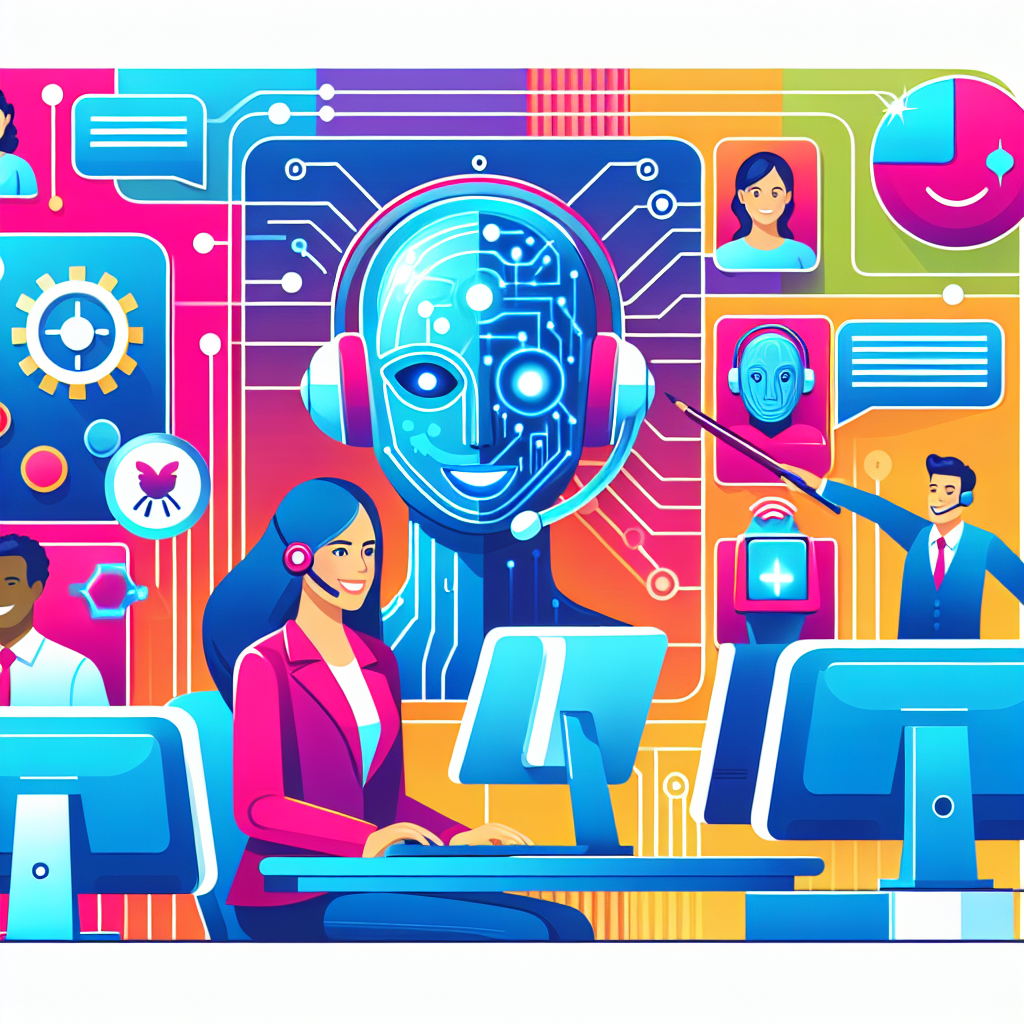
In recent years, artificial intelligence (AI) technologies have been driving a significant transformation in customer service. Companies are increasingly leveraging AI to improve the customer experience by providing more personalized and efficient support. From chatbots and virtual assistants to predictive analytics and sentiment analysis, AI technologies are revolutionizing the way companies interact with their customers. In this article, we will explore how AI is transforming customer service and the benefits it brings to both businesses and consumers.
One of the most common applications of AI in customer service is through the use of chatbots. These virtual assistants are programmed to handle customer inquiries and provide instant responses to common questions. Chatbots can be integrated into websites, messaging platforms, and social media channels, allowing customers to get the support they need at any time of the day. By using natural language processing and machine learning algorithms, chatbots can understand and respond to customer queries in a conversational manner, making the interaction more engaging and efficient.
Another AI technology that is driving customer service transformation is predictive analytics. By analyzing customer data and behavior patterns, companies can anticipate the needs and preferences of their customers, allowing them to provide personalized recommendations and offers. For example, a retail company can use predictive analytics to suggest products that are likely to be of interest to a particular customer based on their past purchases and browsing history. This not only enhances the customer experience but also increases the likelihood of making a sale.
Sentiment analysis is another AI technology that is being used to improve customer service. By analyzing customer feedback and social media posts, companies can gain insights into the feelings and opinions of their customers. This allows them to identify issues and trends in real-time, enabling them to address customer concerns more effectively. For example, a hotel chain can use sentiment analysis to monitor online reviews and social media posts to identify areas for improvement and respond to customer complaints promptly.
One of the key benefits of using AI technologies in customer service is the ability to provide round-the-clock support. Chatbots and virtual assistants can handle customer inquiries at any time of the day, reducing the need for human agents to be available 24/7. This not only improves customer satisfaction but also helps companies save on labor costs. Additionally, AI technologies can handle a high volume of customer inquiries simultaneously, allowing companies to scale their customer service operations more efficiently.
Another benefit of AI technologies in customer service is the ability to provide more personalized and relevant support. By analyzing customer data and behavior, companies can tailor their responses and recommendations to meet the individual needs of each customer. This not only improves the customer experience but also increases customer loyalty and retention. For example, a clothing retailer can use AI to recommend clothing items that match a customer’s style preferences and size, leading to a more satisfying shopping experience.
Despite the many benefits of AI technologies in customer service, there are also challenges and concerns that companies need to address. One of the main concerns is the potential for AI to replace human agents entirely, leading to a loss of the human touch in customer interactions. While AI technologies can automate many routine tasks and inquiries, there are still situations where human empathy and understanding are essential. Companies need to strike a balance between AI and human agents to provide a seamless and personalized customer experience.
Another challenge of using AI in customer service is the need for ongoing training and maintenance. AI technologies require regular updates and fine-tuning to ensure they are providing accurate and relevant responses to customer inquiries. Companies need to invest in training their staff to understand how to use AI technologies effectively and monitor their performance to identify areas for improvement. Additionally, companies need to ensure they are complying with data privacy regulations and ethical guidelines when using AI technologies to interact with customers.
In conclusion, AI technologies are driving a significant transformation in customer service by improving efficiency, personalization, and round-the-clock support. Companies that embrace AI technologies are able to enhance the customer experience and gain a competitive edge in the market. However, companies need to be mindful of the challenges and concerns associated with using AI in customer service and take steps to address them effectively. By leveraging AI technologies in a thoughtful and strategic manner, companies can revolutionize the way they interact with their customers and build long-lasting relationships.
FAQs:
Q: How does AI technology improve customer service?
A: AI technology improves customer service by providing round-the-clock support, personalizing interactions, and analyzing customer data to anticipate their needs and preferences.
Q: What are some common AI technologies used in customer service?
A: Some common AI technologies used in customer service include chatbots, virtual assistants, predictive analytics, and sentiment analysis.
Q: What are the benefits of using AI in customer service?
A: The benefits of using AI in customer service include improved efficiency, personalized support, round-the-clock availability, and increased customer satisfaction and loyalty.
Q: What are some challenges of using AI in customer service?
A: Some challenges of using AI in customer service include the potential for replacing human agents, the need for ongoing training and maintenance, and ensuring compliance with data privacy regulations and ethical guidelines.