
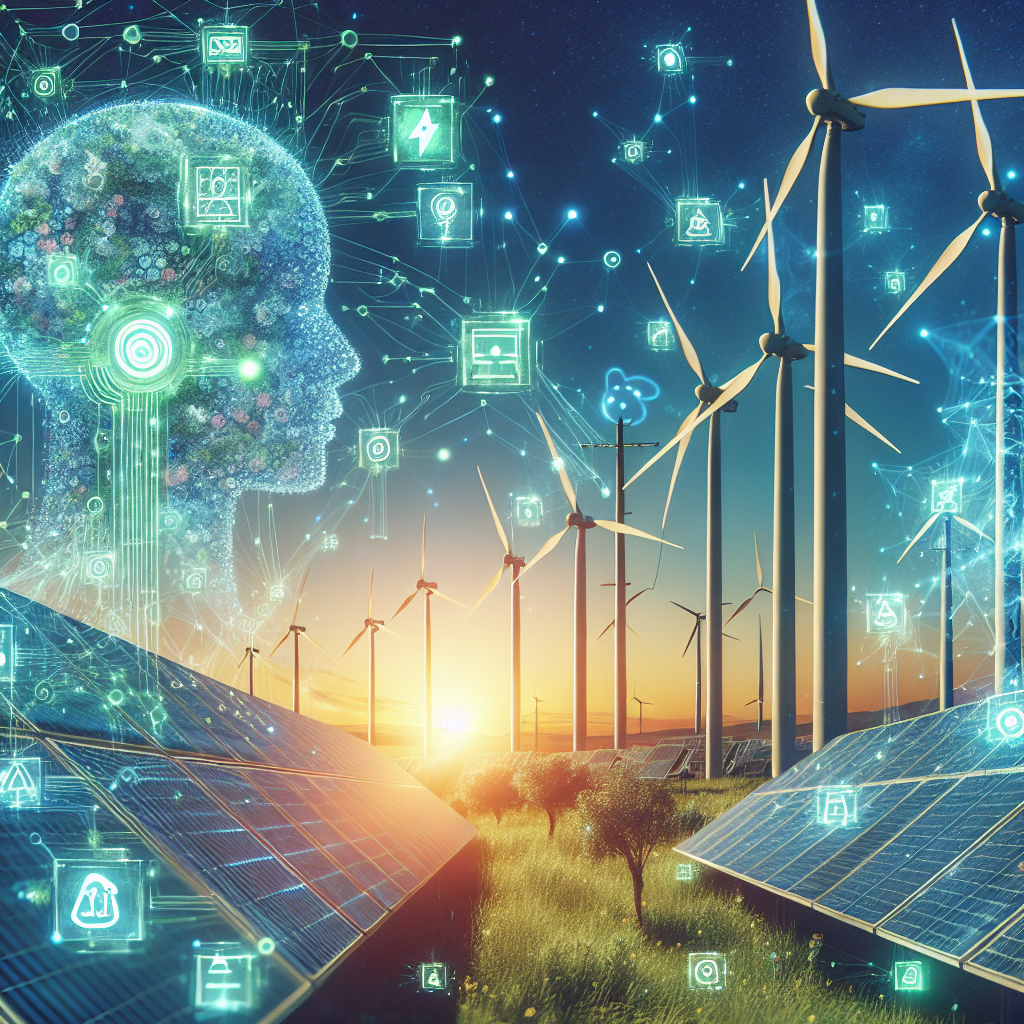
AI Technologies for Renewable Energy Market Evolution
Introduction
As the world continues to grapple with the effects of climate change, the need for renewable energy sources has become more urgent than ever. In recent years, artificial intelligence (AI) technologies have been playing an increasingly important role in the evolution of the renewable energy market. From optimizing energy production to improving grid efficiency, AI is revolutionizing the way we generate and consume renewable energy.
AI technologies have the potential to address some of the key challenges facing the renewable energy industry, such as intermittency, variability, and efficiency. By leveraging AI algorithms and machine learning, renewable energy companies can improve the performance of their systems, reduce costs, and increase their competitiveness in the market.
Key AI Technologies for Renewable Energy
There are several key AI technologies that are driving the evolution of the renewable energy market. These include:
1. Predictive Analytics: Predictive analytics uses historical and real-time data to forecast future trends and make informed decisions. In the renewable energy sector, predictive analytics can be used to optimize energy production, improve grid stability, and predict demand fluctuations. By analyzing weather patterns, energy consumption data, and other relevant variables, renewable energy companies can better plan and manage their operations.
2. Machine Learning: Machine learning algorithms are used to analyze large amounts of data and identify patterns and trends. In the renewable energy industry, machine learning can be used to optimize energy production, improve energy storage, and predict equipment failures. By continuously learning from data, machine learning algorithms can help renewable energy companies make smarter decisions and improve their overall performance.
3. Smart Grids: Smart grids use AI technologies to optimize energy distribution and improve grid efficiency. By integrating renewable energy sources, energy storage systems, and demand response programs, smart grids can better manage energy flows and reduce energy waste. AI algorithms can help predict energy demand, balance supply and demand, and optimize grid operations in real-time.
4. Energy Storage: Energy storage systems play a critical role in enabling the integration of renewable energy sources into the grid. AI technologies can be used to optimize energy storage operations, improve battery performance, and extend battery life. By analyzing data on energy usage, weather conditions, and grid demand, AI algorithms can help renewable energy companies maximize the value of their energy storage systems.
5. Virtual Power Plants: Virtual power plants (VPPs) use AI technologies to aggregate and optimize the output of distributed energy resources, such as solar panels, wind turbines, and energy storage systems. By coordinating the operation of multiple renewable energy assets, VPPs can provide grid services, such as frequency regulation, peak shaving, and demand response. AI algorithms can help VPPs optimize energy dispatch, balance supply and demand, and maximize revenue.
Benefits of AI Technologies for Renewable Energy
The integration of AI technologies into the renewable energy market offers several key benefits, including:
1. Improved Energy Efficiency: AI technologies can help optimize energy production, reduce energy waste, and improve overall system efficiency. By analyzing data and identifying opportunities for improvement, renewable energy companies can increase their energy output and reduce their operating costs.
2. Enhanced Grid Stability: AI technologies can help improve grid stability by balancing supply and demand, managing energy flows, and responding to grid disturbances. By using predictive analytics and machine learning, renewable energy companies can better manage grid operations and ensure a reliable energy supply.
3. Cost Reduction: AI technologies can help reduce the costs of renewable energy production by optimizing energy generation, improving equipment performance, and reducing maintenance expenses. By leveraging AI algorithms, renewable energy companies can increase their competitiveness in the market and attract more customers.
4. Increased Renewable Energy Integration: AI technologies can help integrate renewable energy sources into the grid more effectively by optimizing energy storage, managing energy flows, and coordinating distributed energy resources. By using smart grids, VPPs, and other AI-driven solutions, renewable energy companies can maximize the value of their renewable energy assets.
FAQs
Q: How can AI technologies help optimize energy production from renewable sources?
A: AI technologies can help optimize energy production by analyzing weather patterns, energy consumption data, and other relevant variables to forecast energy output and make informed decisions. By using predictive analytics and machine learning, renewable energy companies can improve the performance of their systems and increase their energy production.
Q: What are the key challenges facing the integration of renewable energy into the grid?
A: The key challenges facing the integration of renewable energy into the grid include intermittency, variability, and grid stability. AI technologies can help address these challenges by optimizing energy storage, managing energy flows, and coordinating distributed energy resources.
Q: How can AI technologies help reduce the costs of renewable energy production?
A: AI technologies can help reduce the costs of renewable energy production by optimizing energy generation, improving equipment performance, and reducing maintenance expenses. By leveraging AI algorithms, renewable energy companies can increase their efficiency and lower their operating costs.
Q: What are the key benefits of using AI technologies in the renewable energy market?
A: The key benefits of using AI technologies in the renewable energy market include improved energy efficiency, enhanced grid stability, cost reduction, and increased renewable energy integration. By leveraging AI algorithms and machine learning, renewable energy companies can optimize their operations and increase their competitiveness in the market.
Conclusion
AI technologies are playing a crucial role in the evolution of the renewable energy market. By leveraging predictive analytics, machine learning, smart grids, energy storage, and virtual power plants, renewable energy companies can optimize their operations, reduce costs, and increase their competitiveness in the market. As the demand for renewable energy continues to grow, AI technologies will play an increasingly important role in driving the transition to a more sustainable energy future.