
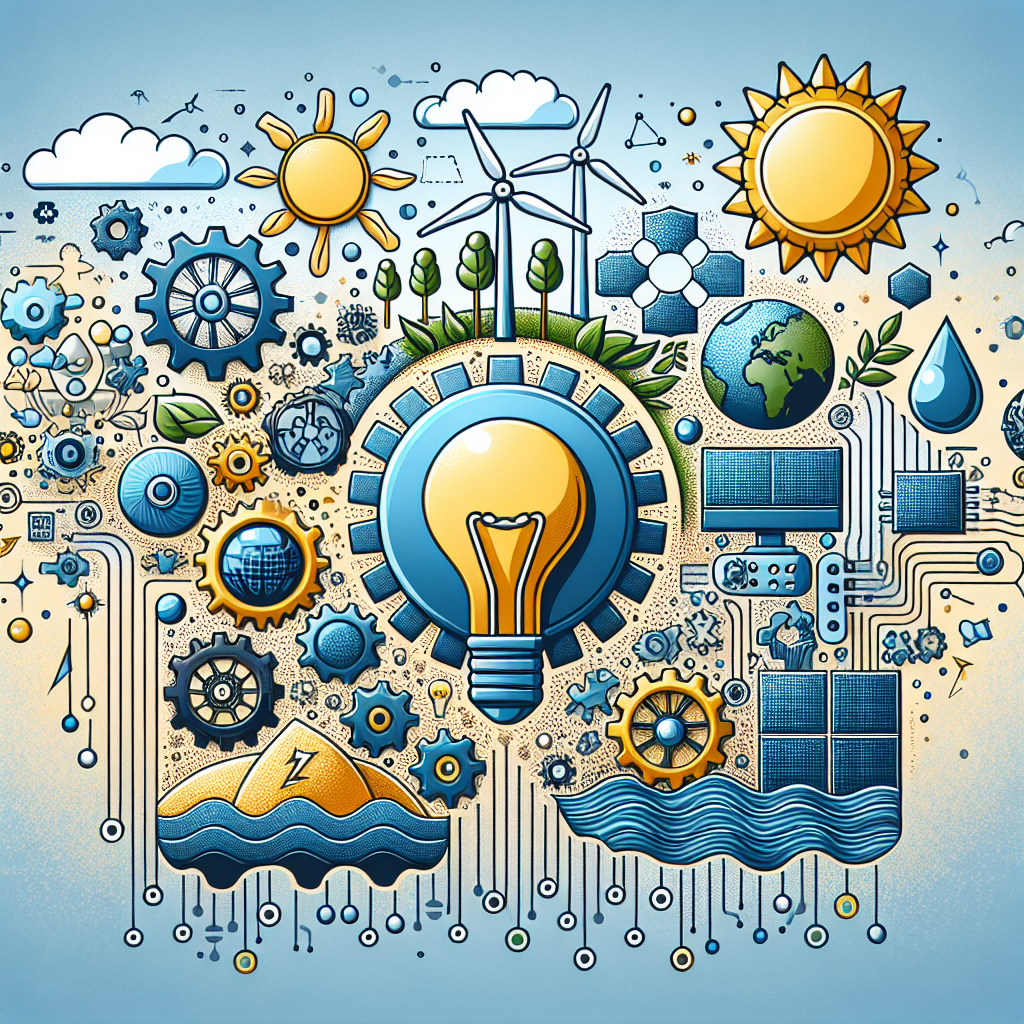
Artificial Intelligence (AI) technologies have been rapidly advancing in recent years, and their application in the renewable energy sector is poised to revolutionize the way we generate, store, and distribute clean energy. From optimizing energy production to enhancing grid efficiency and reducing costs, AI is increasingly being integrated into renewable energy systems to drive innovation and accelerate the transition to a sustainable energy future.
AI technologies can play a crucial role in improving the efficiency and reliability of renewable energy sources such as solar, wind, and hydroelectric power. By analyzing vast amounts of data in real-time, AI algorithms can optimize the operation of renewable energy systems, predict energy generation patterns, and identify potential issues before they occur. This proactive approach can help increase energy production, reduce downtime, and minimize maintenance costs, ultimately maximizing the value of renewable energy investments.
One of the key benefits of AI technologies in the renewable energy sector is their ability to enhance grid stability and reliability. As the share of renewable energy sources in the power grid continues to grow, the variability and intermittency of these sources pose challenges to grid operators in maintaining a stable supply of electricity. AI-powered forecasting models can accurately predict renewable energy generation and demand patterns, enabling grid operators to anticipate fluctuations and adjust their operations accordingly. This can help prevent grid congestion, reduce the need for costly backup power sources, and improve overall grid resilience.
AI technologies can also drive innovation in energy storage systems, which play a critical role in integrating renewable energy sources into the grid. By leveraging AI algorithms to optimize battery performance, improve charging and discharging strategies, and extend battery life, energy storage systems can become more efficient, cost-effective, and environmentally friendly. AI-powered energy management systems can also enable smart grid functionalities such as demand response, dynamic pricing, and distributed energy resource coordination, further enhancing the flexibility and reliability of the grid.
In addition to optimizing energy production and grid operations, AI technologies can also facilitate the development of new business models and market opportunities in the renewable energy sector. For example, AI-powered energy trading platforms can enable peer-to-peer energy transactions between prosumers, allowing consumers to buy and sell renewable energy directly from each other. This decentralized approach to energy trading can promote energy democratization, foster community engagement, and incentivize the adoption of renewable energy technologies at the local level.
Furthermore, AI technologies can accelerate the deployment of innovative renewable energy solutions such as floating solar farms, offshore wind turbines, and wave energy converters. By simulating and optimizing the performance of these advanced technologies, AI algorithms can help reduce development costs, improve efficiency, and increase the overall competitiveness of renewable energy projects. This can drive further investment in clean energy infrastructure, create new job opportunities, and stimulate economic growth in the renewable energy sector.
Despite the numerous benefits of AI technologies for renewable energy market innovation, there are also challenges and concerns that need to be addressed. One of the main challenges is the lack of transparency and accountability in AI algorithms, which can lead to biases, errors, and unintended consequences. As AI systems become more complex and autonomous, it is essential to ensure that they are developed and deployed in a responsible and ethical manner, with proper safeguards in place to protect privacy, security, and fairness.
Another challenge is the limited availability of high-quality data for training AI models in the renewable energy sector. Many renewable energy systems are located in remote or inaccessible areas, making it difficult to collect accurate and reliable data for AI applications. To address this issue, collaborations between industry stakeholders, research institutions, and government agencies are needed to share data, develop standardized protocols, and promote data transparency in the renewable energy sector.
In conclusion, AI technologies have the potential to drive significant innovation and transformation in the renewable energy market, enabling the transition to a more sustainable, resilient, and efficient energy system. By harnessing the power of AI to optimize energy production, enhance grid operations, and stimulate market competition, we can accelerate the adoption of renewable energy technologies and unlock new opportunities for growth and development in the clean energy sector.
FAQs:
Q: How can AI technologies improve the efficiency of renewable energy systems?
A: AI technologies can optimize energy production, predict generation patterns, and identify potential issues in renewable energy systems, ultimately increasing efficiency, reducing downtime, and minimizing maintenance costs.
Q: What role can AI technologies play in enhancing grid stability and reliability?
A: AI-powered forecasting models can accurately predict renewable energy generation and demand patterns, enabling grid operators to anticipate fluctuations and adjust their operations accordingly, improving grid stability and reliability.
Q: How can AI technologies drive innovation in energy storage systems?
A: AI algorithms can optimize battery performance, improve charging and discharging strategies, and extend battery life, making energy storage systems more efficient, cost-effective, and environmentally friendly.
Q: What are some potential challenges of using AI technologies in the renewable energy sector?
A: Challenges include transparency and accountability issues in AI algorithms, limited availability of high-quality data for training AI models, and concerns about biases, errors, and unintended consequences in AI systems.