
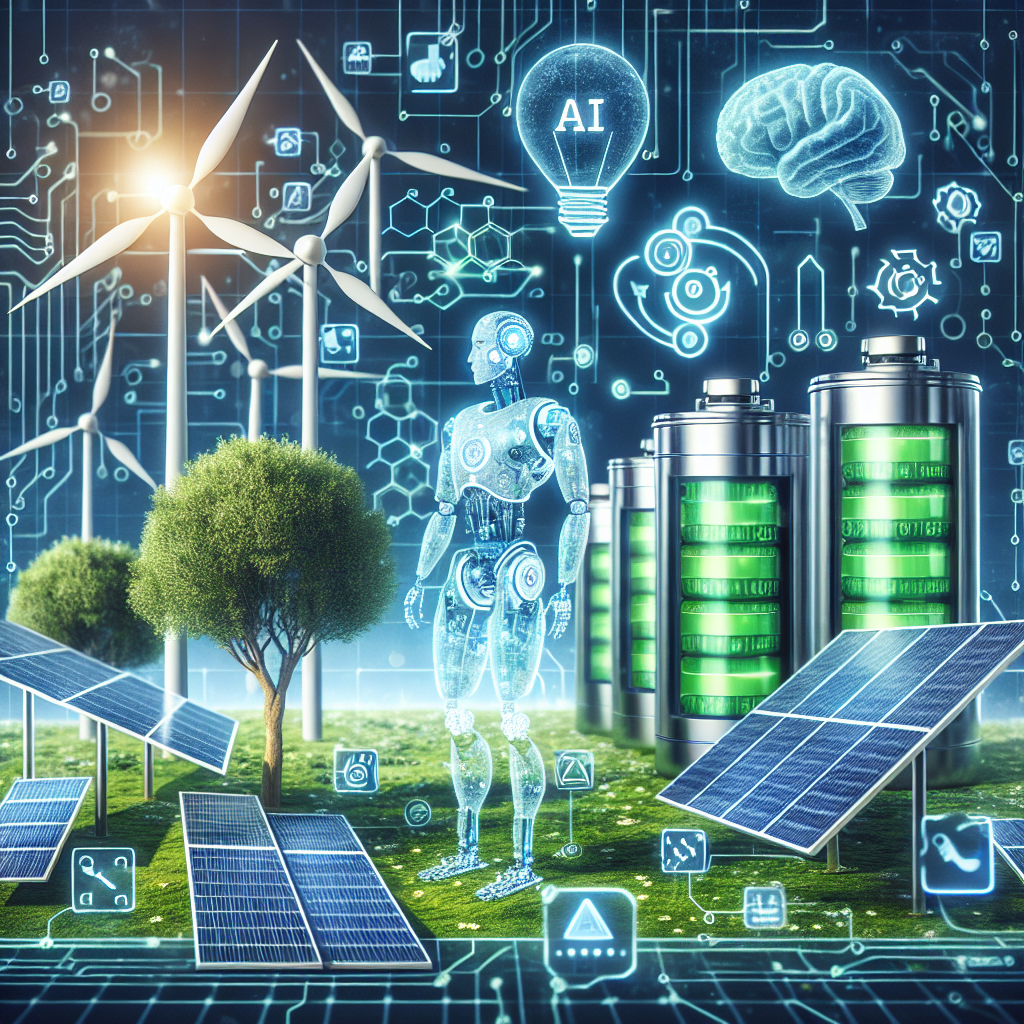
AI Technologies for Renewable Energy Market Integration
Introduction
The integration of renewable energy sources into the power grid is essential for reducing greenhouse gas emissions and transitioning to a more sustainable energy system. However, the intermittent nature of renewable energy sources, such as solar and wind power, poses challenges for grid operators in maintaining system stability and reliability. Artificial intelligence (AI) technologies have emerged as a powerful tool for optimizing the integration of renewable energy into the grid, maximizing energy efficiency, and reducing costs.
AI technologies can help grid operators predict renewable energy generation, optimize energy storage, and manage grid stability in real-time. By harnessing the power of machine learning algorithms, AI can analyze vast amounts of data to make accurate predictions about renewable energy generation and demand, enabling grid operators to make informed decisions about energy production and distribution.
AI Technologies for Renewable Energy Market Integration
1. Predictive Analytics
One of the key applications of AI technologies in renewable energy integration is predictive analytics. By analyzing historical data on renewable energy generation, weather patterns, and energy demand, AI algorithms can make accurate predictions about future energy production and consumption. These predictions can help grid operators anticipate fluctuations in energy supply and demand, enabling them to optimize energy production and distribution to meet the needs of the grid.
Predictive analytics can also help grid operators identify potential issues in the grid, such as equipment failures or grid congestion, before they occur. By using AI algorithms to analyze real-time data from sensors and smart meters, grid operators can detect anomalies in the grid and take proactive measures to prevent disruptions in energy supply.
2. Energy Storage Optimization
Another important application of AI in renewable energy integration is energy storage optimization. Energy storage systems, such as batteries and pumped hydro storage, play a crucial role in balancing supply and demand in the grid and ensuring grid stability. AI algorithms can optimize the operation of energy storage systems by predicting energy generation and demand patterns, determining the optimal charging and discharging schedules, and maximizing the use of stored energy.
By using AI technologies to control energy storage systems, grid operators can minimize energy wastage, reduce costs, and improve grid reliability. AI algorithms can also optimize the integration of renewable energy sources with energy storage systems, enabling grid operators to store excess energy during periods of high generation and discharge it during periods of high demand.
3. Grid Stability Management
AI technologies can also help grid operators manage grid stability by predicting and mitigating potential grid disturbances. By analyzing real-time data on grid conditions, energy generation, and demand, AI algorithms can detect anomalies in the grid, such as voltage fluctuations or frequency deviations, and take corrective actions to maintain grid stability.
AI algorithms can also optimize the operation of grid assets, such as transformers and switchgear, to minimize energy losses and improve grid efficiency. By using AI technologies to monitor and control grid assets, grid operators can ensure the reliable and efficient operation of the grid, even in the face of increasing renewable energy penetration.
4. Demand Response
AI technologies can also enable demand response programs, which incentivize consumers to adjust their energy consumption based on grid conditions and renewable energy availability. By using AI algorithms to analyze real-time data on energy prices, weather conditions, and demand patterns, grid operators can send signals to consumers to reduce or shift their energy consumption during periods of high demand or low renewable energy generation.
Demand response programs can help grid operators manage peak demand, reduce energy costs, and improve grid stability. By using AI technologies to automate demand response initiatives, grid operators can engage consumers in the energy transition and promote the use of renewable energy sources.
FAQs
Q: What is the role of AI in renewable energy integration?
A: AI technologies play a crucial role in optimizing the integration of renewable energy sources into the power grid. By using machine learning algorithms to analyze vast amounts of data on energy generation, demand, and grid conditions, AI can help grid operators predict renewable energy generation, optimize energy storage, manage grid stability, and enable demand response programs.
Q: How can AI help grid operators manage grid stability?
A: AI technologies can help grid operators manage grid stability by predicting and mitigating potential grid disturbances. By analyzing real-time data on grid conditions, energy generation, and demand, AI algorithms can detect anomalies in the grid, such as voltage fluctuations or frequency deviations, and take corrective actions to maintain grid stability.
Q: What are the benefits of using AI in renewable energy integration?
A: The benefits of using AI in renewable energy integration include improved grid reliability, reduced energy costs, increased energy efficiency, and enhanced grid stability. By harnessing the power of AI technologies, grid operators can optimize the integration of renewable energy sources into the grid, maximize energy efficiency, and reduce greenhouse gas emissions.
Conclusion
AI technologies have the potential to revolutionize the integration of renewable energy sources into the power grid, enabling grid operators to optimize energy production and distribution, manage grid stability, and reduce costs. By using machine learning algorithms to analyze vast amounts of data on energy generation, demand, and grid conditions, AI can help grid operators make informed decisions about energy management and promote the transition to a more sustainable energy system. As renewable energy penetration continues to increase, AI technologies will play a crucial role in ensuring the reliable and efficient operation of the grid and accelerating the transition to a low-carbon energy future.