
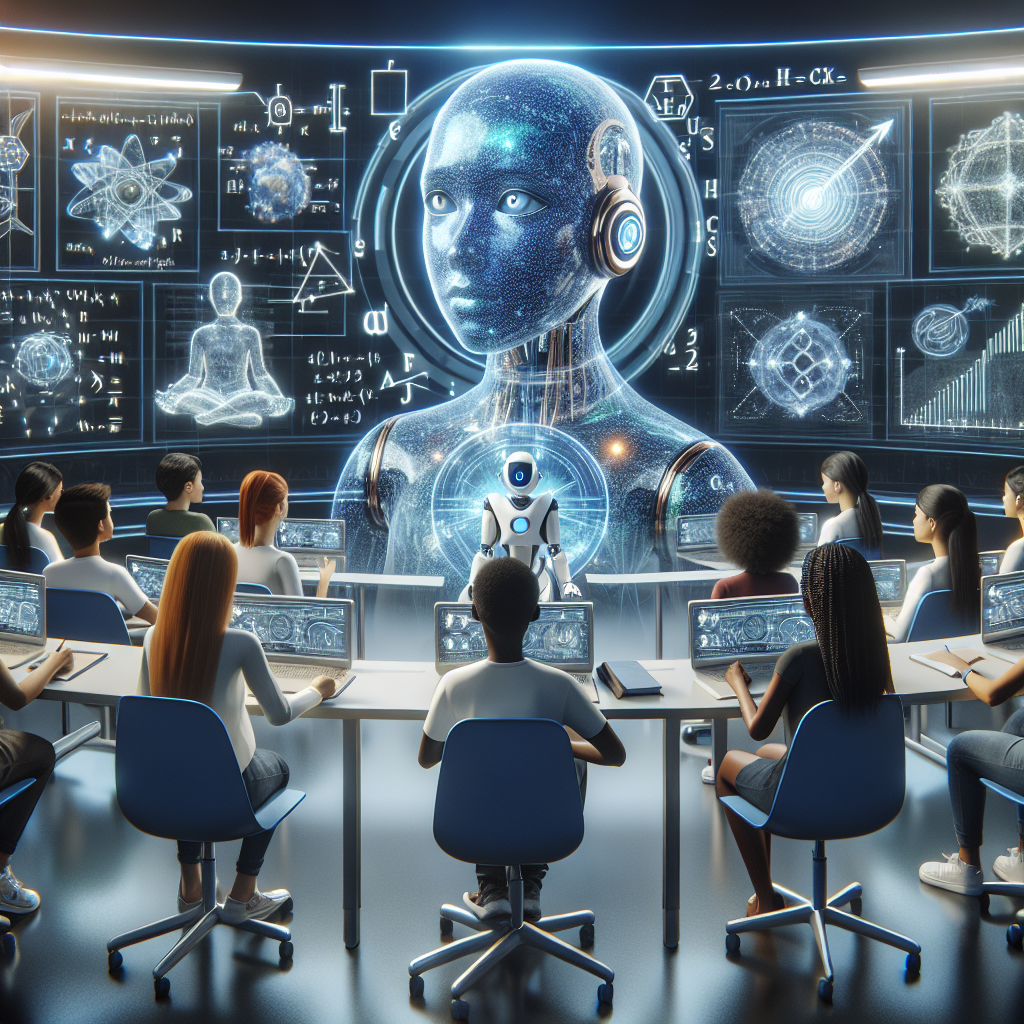
AI Tutoring: The Future of Education?
In recent years, Artificial Intelligence (AI) has been making significant strides in various industries, and education is no exception. AI tutoring is a cutting-edge technology that has the potential to revolutionize the way we learn and teach. With the ability to provide personalized and adaptive learning experiences, AI tutoring is poised to become the future of education.
What is AI Tutoring?
AI tutoring is a form of personalized learning where an AI-powered system delivers educational content and provides feedback to students. These systems use machine learning algorithms to analyze students’ performance and tailor the learning experience to their individual needs. This personalized approach allows students to learn at their own pace and focus on areas where they need the most help.
AI tutoring systems can be used in a variety of educational settings, from K-12 schools to higher education institutions. They can supplement traditional classroom instruction or be used as standalone tools for self-paced learning. AI tutoring systems can cover a wide range of subjects, from math and science to language arts and history.
How Does AI Tutoring Work?
AI tutoring systems work by collecting and analyzing data on students’ performance. This data can include answers to quiz questions, time spent on assignments, and even biometric data such as heart rate and facial expressions. By collecting this data, AI tutoring systems can build a profile of each student’s learning style, strengths, and weaknesses.
Based on this data, AI tutoring systems can generate personalized learning pathways for each student. For example, if a student is struggling with a particular concept, the system can provide additional practice problems or instructional videos on that topic. Conversely, if a student is excelling in a certain area, the system can offer more challenging assignments to keep them engaged.
AI tutoring systems can also provide real-time feedback to students, helping them identify and correct mistakes as they occur. This immediate feedback can help students stay on track and make progress more quickly than traditional learning methods.
Benefits of AI Tutoring
There are several key benefits to using AI tutoring in education:
1. Personalized Learning: AI tutoring systems can adapt to each student’s individual learning needs, providing a personalized learning experience that is tailored to their strengths and weaknesses.
2. Improved Engagement: AI tutoring systems can offer interactive and engaging learning activities that keep students motivated and focused on their studies.
3. Enhanced Feedback: AI tutoring systems can provide immediate feedback to students, helping them identify and correct mistakes in real-time.
4. Accessibility: AI tutoring systems can be accessed from anywhere with an internet connection, making learning more accessible to students in remote or underserved areas.
5. Scalability: AI tutoring systems can scale to accommodate large numbers of students, making them an efficient and cost-effective solution for educational institutions.
Challenges of AI Tutoring
While AI tutoring has the potential to transform education, there are also some challenges that need to be addressed:
1. Data Privacy: AI tutoring systems collect a large amount of data on students, raising concerns about privacy and data security.
2. Bias: AI algorithms can be biased based on the data they are trained on, potentially leading to unfair outcomes for certain groups of students.
3. Lack of Human Interaction: AI tutoring systems may lack the human touch and emotional support that students receive from traditional teachers.
4. Overreliance on Technology: There is a risk that students may become overly dependent on AI tutoring systems, neglecting the development of critical thinking and problem-solving skills.
FAQs about AI Tutoring
Q: Can AI tutoring completely replace human teachers?
A: While AI tutoring systems can provide personalized learning experiences, they are not intended to replace human teachers. Human teachers play a crucial role in education, providing emotional support, mentorship, and guidance that AI systems cannot replicate.
Q: How can AI tutoring systems address the needs of diverse learners?
A: AI tutoring systems can be designed to accommodate diverse learners by providing multiple modalities for learning, such as text, audio, and video. They can also offer adaptive learning pathways that cater to different learning styles and abilities.
Q: Are AI tutoring systems affordable for all educational institutions?
A: The cost of implementing AI tutoring systems can vary depending on the size and scope of the implementation. While some systems may be expensive, there are also more affordable options available that can be tailored to the needs and budget of each institution.
Q: How can students benefit from using AI tutoring systems?
A: Students can benefit from using AI tutoring systems by receiving personalized learning experiences, immediate feedback on their performance, and access to a wide range of educational resources. These systems can help students stay engaged and motivated in their studies, leading to improved academic outcomes.
In conclusion, AI tutoring has the potential to revolutionize education by providing personalized and adaptive learning experiences to students. While there are challenges to overcome, the benefits of AI tutoring are clear, including improved engagement, enhanced feedback, and scalability. As technology continues to advance, AI tutoring is likely to play an increasingly important role in the future of education.