
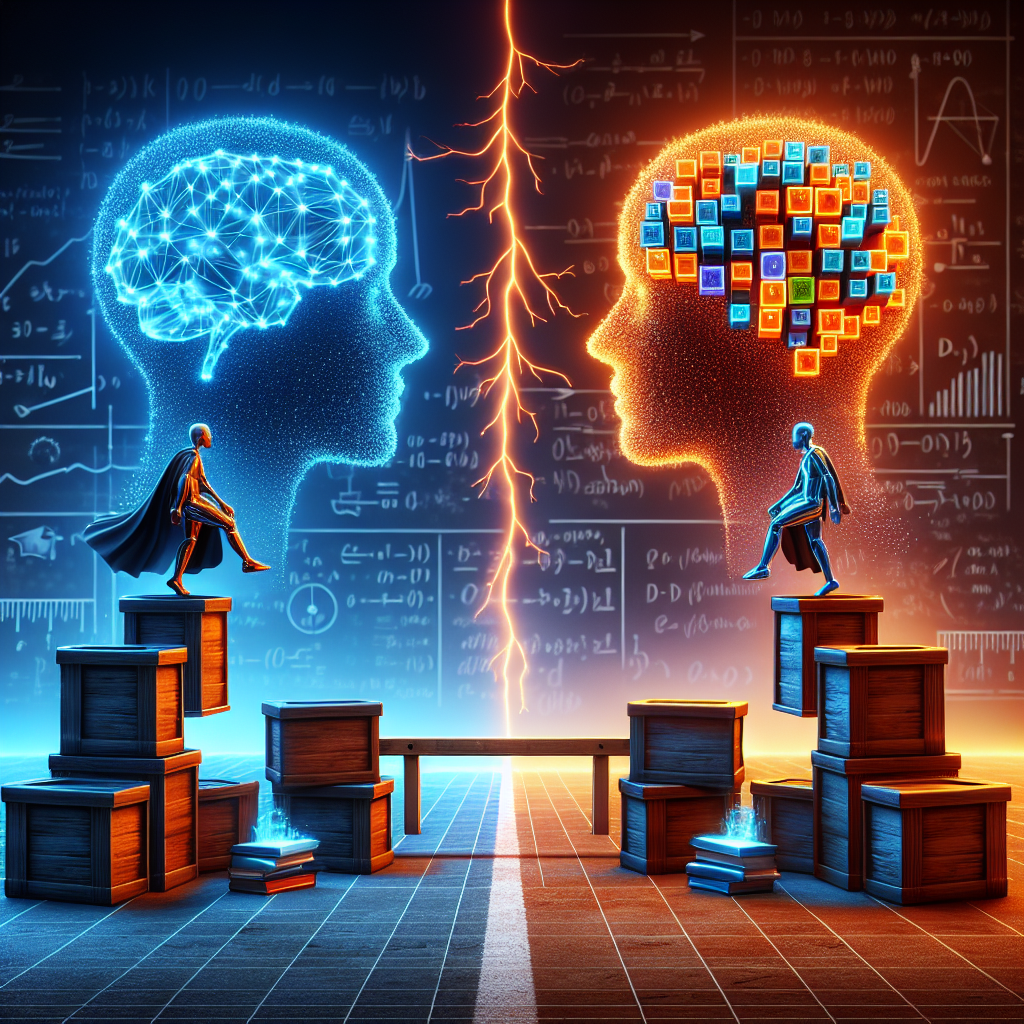
Artificial Intelligence (AI) and Machine Learning (ML) are two cutting-edge technologies that are revolutionizing various industries, including education. Both AI and ML have the potential to transform the way students learn, teachers teach, and administrators manage educational institutions. However, there is often confusion about the differences between AI and ML and which one is leading the revolution in education. In this article, we will explore the differences between AI and ML, their impact on education, and which technology is emerging as the frontrunner in transforming the education sector.
AI vs. ML: What’s the Difference?
Artificial Intelligence (AI) is a broad field of computer science that aims to create machines that can perform tasks that typically require human intelligence, such as speech recognition, problem-solving, and decision-making. AI systems can analyze data, learn from it, and make decisions based on that data. AI technologies include natural language processing, computer vision, and robotics.
Machine Learning (ML) is a subset of AI that focuses on developing algorithms that can learn from and make predictions or decisions based on data. ML algorithms can improve their performance over time without being explicitly programmed to do so. ML technologies include neural networks, support vector machines, and decision trees.
In simple terms, AI is the broader concept of machines being able to carry out tasks in a way that we would consider “smart,” while ML is a specific approach to achieving AI.
Impact of AI and ML on Education
Both AI and ML have the potential to transform education by personalizing learning experiences, improving student outcomes, enhancing teacher efficiency, and streamlining administrative tasks. Here are some ways in which AI and ML are making an impact on education:
1. Personalized Learning: AI and ML algorithms can analyze students’ performance data and learning preferences to create personalized learning paths for each student. This can help students learn at their own pace, focus on their individual strengths and weaknesses, and receive targeted support when needed.
2. Intelligent Tutoring Systems: AI-powered tutoring systems can provide students with personalized feedback, adaptive learning materials, and real-time help with homework and assignments. These systems can supplement traditional classroom instruction and support students in achieving their academic goals.
3. Predictive Analytics: ML algorithms can analyze large amounts of data to identify patterns and trends that can help educators predict student outcomes, such as dropout rates, academic performance, and behavior issues. This can enable schools to intervene early and provide targeted support to at-risk students.
4. Automated Grading: AI-powered grading systems can automatically grade student assessments, such as multiple-choice tests, essays, and coding assignments. This can save teachers time and reduce the burden of manual grading, allowing them to focus on providing quality feedback to students.
5. Virtual Assistants: AI-powered virtual assistants can help students and teachers access information, schedule appointments, set reminders, and answer questions in real-time. Virtual assistants can enhance the learning experience by providing instant support and improving communication between students and teachers.
Leading the Revolution: AI or ML?
Both AI and ML are playing a significant role in transforming education, but ML is emerging as the frontrunner in leading the revolution. ML technologies, such as predictive analytics, personalized learning algorithms, and intelligent tutoring systems, are being increasingly adopted by educational institutions to improve student outcomes and enhance teaching practices.
ML algorithms have the ability to learn from data, adapt to changing circumstances, and make predictions or decisions based on that data. This makes ML particularly well-suited for tasks such as personalized learning, predictive analytics, and automated grading, which are key areas of focus in the education sector.
While AI technologies, such as natural language processing and computer vision, also have the potential to transform education, ML’s ability to learn from data and improve over time gives it a competitive edge in driving innovation in the education sector. As ML technologies continue to evolve and become more sophisticated, they are likely to play an increasingly important role in shaping the future of education.
FAQs:
Q: What are some examples of AI and ML applications in education?
A: Some examples of AI and ML applications in education include personalized learning algorithms, intelligent tutoring systems, predictive analytics, automated grading systems, and virtual assistants.
Q: How can AI and ML help improve student outcomes?
A: AI and ML can help improve student outcomes by providing personalized learning experiences, adaptive tutoring systems, predictive analytics to identify at-risk students, automated grading systems, and virtual assistants to support students in their learning journey.
Q: What are the challenges of implementing AI and ML in education?
A: Some challenges of implementing AI and ML in education include data privacy and security concerns, lack of technical expertise among educators, resistance to change, and the need for ongoing training and professional development.
Q: How can educators benefit from AI and ML technologies?
A: Educators can benefit from AI and ML technologies by gaining insights into student performance, receiving personalized recommendations for teaching strategies, automating administrative tasks, and improving their efficiency and effectiveness as educators.
In conclusion, both AI and ML are revolutionizing education by personalizing learning experiences, improving student outcomes, enhancing teacher efficiency, and streamlining administrative tasks. While AI technologies have the potential to transform education, ML is emerging as the frontrunner in leading the revolution due to its ability to learn from data, adapt to changing circumstances, and make predictions or decisions based on that data. As ML technologies continue to evolve and become more sophisticated, they are likely to play an increasingly important role in shaping the future of education.