
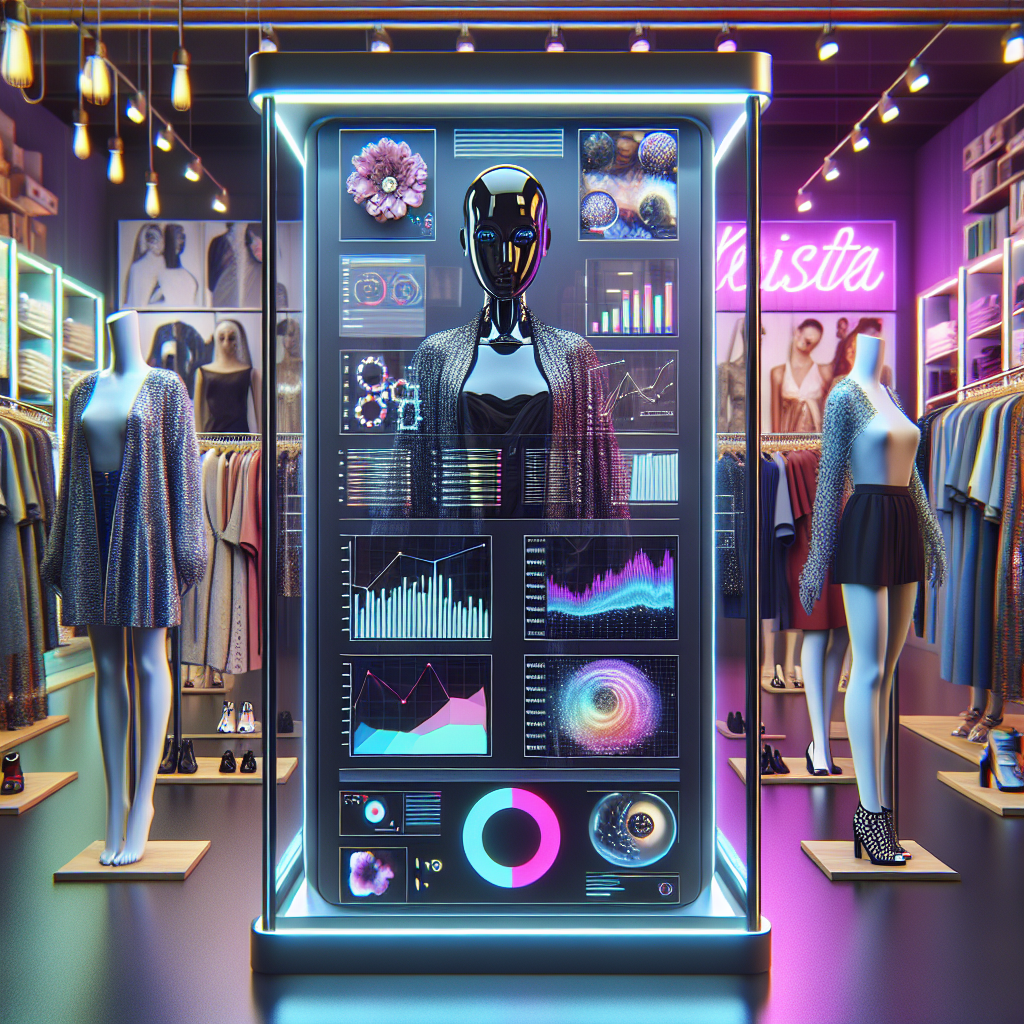
Can AI Predict the Next Big Fashion Trend?
In the ever-evolving world of fashion, staying ahead of the trends is crucial for designers, retailers, and consumers alike. With the rapid rise of artificial intelligence (AI) in various industries, many are wondering if AI can also predict the next big fashion trend. The short answer is yes, AI can play a significant role in predicting fashion trends by analyzing vast amounts of data and identifying patterns. In this article, we will explore how AI is being used in the fashion industry, the benefits and limitations of AI in trend forecasting, and the future of AI in predicting fashion trends.
How AI is Used in the Fashion Industry
AI is being used in the fashion industry in various ways, from design and production to marketing and sales. One of the most prominent uses of AI in fashion is trend forecasting. By analyzing data from social media, fashion shows, sales data, and other sources, AI algorithms can identify emerging trends and predict what will be popular in the future.
AI can also be used in the design process, helping designers create new collections by analyzing past trends and consumer preferences. AI can generate design ideas, suggest color palettes, and even create virtual prototypes of garments. This can help designers streamline the design process and create more targeted and on-trend collections.
In addition to design and trend forecasting, AI is also being used in marketing and sales in the fashion industry. AI algorithms can analyze customer data to personalize marketing campaigns, recommend products to customers based on their preferences, and optimize pricing strategies. This can help fashion brands increase sales and improve customer satisfaction.
Benefits of AI in Predicting Fashion Trends
There are several benefits to using AI in predicting fashion trends. One of the main advantages is the ability to analyze vast amounts of data quickly and accurately. AI algorithms can process data from multiple sources, including social media, online sales, and fashion shows, to identify patterns and trends that may not be obvious to human analysts. This can help fashion brands stay ahead of the competition and create collections that resonate with consumers.
Another benefit of using AI in trend forecasting is the ability to make predictions based on data rather than intuition. While human analysts may rely on their instincts and experience to predict trends, AI algorithms can analyze data objectively and identify trends that may have been overlooked. This can lead to more accurate predictions and better decision-making for fashion brands.
Limitations of AI in Predicting Fashion Trends
Despite its many benefits, AI also has limitations in predicting fashion trends. One of the main challenges is the lack of creativity and intuition that AI algorithms possess. While AI can analyze data and identify patterns, it may struggle to understand the cultural and social factors that influence fashion trends. This can lead to inaccuracies in trend forecasting and missed opportunities for fashion brands.
Another limitation of AI in predicting fashion trends is the potential for bias in the data. AI algorithms rely on data to make predictions, and if the data is biased or incomplete, the predictions may be inaccurate. For example, if the data used to train an AI algorithm is skewed towards a certain demographic, the predictions may not be representative of the broader population. This can lead to biased recommendations and missed opportunities for fashion brands.
Future of AI in Predicting Fashion Trends
Despite its limitations, AI has the potential to revolutionize the way fashion trends are predicted. As AI technology continues to advance, we can expect to see more sophisticated algorithms that can analyze data more accurately and make more reliable predictions. Fashion brands that embrace AI in trend forecasting can gain a competitive edge by creating collections that are more in line with consumer preferences and market trends.
One exciting development in AI technology is the use of machine learning models that can learn and adapt over time. By continuously analyzing data and feedback, these models can improve their accuracy and make more informed predictions. This can help fashion brands stay ahead of the curve and create collections that resonate with consumers.
Another trend we can expect to see in the future is the use of AI in virtual fashion shows and digital marketing. AI algorithms can create virtual models and simulate fashion shows, allowing designers to showcase their collections in a virtual environment. This can help fashion brands reach a wider audience and create immersive experiences for consumers.
FAQs
Q: Can AI predict fashion trends better than human analysts?
A: AI can analyze vast amounts of data quickly and accurately, making it a valuable tool for predicting fashion trends. While human analysts may rely on their intuition and experience, AI algorithms can identify patterns and trends that may not be obvious to humans. However, AI algorithms may struggle to understand the cultural and social factors that influence fashion trends, leading to limitations in trend forecasting.
Q: How is AI being used in the design process in the fashion industry?
A: AI is being used in the design process to help designers create new collections by analyzing past trends and consumer preferences. AI algorithms can generate design ideas, suggest color palettes, and even create virtual prototypes of garments. This can help designers streamline the design process and create more targeted and on-trend collections.
Q: What are the benefits of using AI in predicting fashion trends?
A: One of the main benefits of using AI in predicting fashion trends is the ability to analyze vast amounts of data quickly and accurately. AI algorithms can process data from multiple sources, including social media, online sales, and fashion shows, to identify patterns and trends that may not be obvious to human analysts. This can help fashion brands stay ahead of the competition and create collections that resonate with consumers.
Q: What are the limitations of using AI in predicting fashion trends?
A: Despite its many benefits, AI also has limitations in predicting fashion trends. One of the main challenges is the lack of creativity and intuition that AI algorithms possess. While AI can analyze data and identify patterns, it may struggle to understand the cultural and social factors that influence fashion trends. This can lead to inaccuracies in trend forecasting and missed opportunities for fashion brands.
In conclusion, AI has the potential to revolutionize the way fashion trends are predicted by analyzing vast amounts of data and identifying patterns that may not be obvious to human analysts. While AI has its limitations, such as bias in the data and lack of creativity, the technology continues to advance, and we can expect to see more sophisticated algorithms in the future. Fashion brands that embrace AI in trend forecasting can gain a competitive edge by creating collections that are more in line with consumer preferences and market trends.