
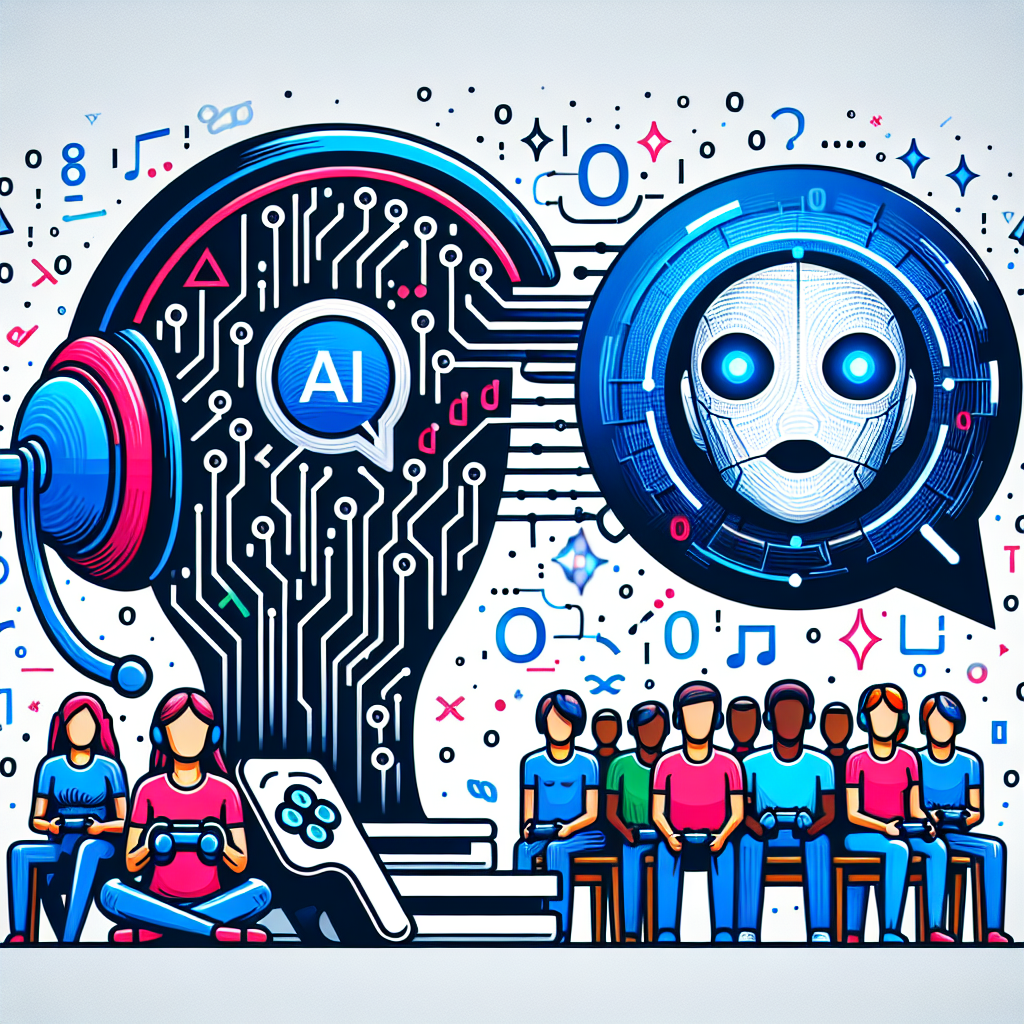
Conversational AI in the Gaming Industry: Enhancing User Engagement
In recent years, conversational AI has emerged as a powerful tool for enhancing user engagement in the gaming industry. By incorporating natural language processing (NLP) and machine learning technologies, game developers are able to create more immersive and interactive experiences for players. From virtual assistants to in-game chatbots, conversational AI is revolutionizing the way gamers interact with their favorite titles. In this article, we will explore the impact of conversational AI on the gaming industry and how it is enhancing user engagement.
The Rise of Conversational AI in Gaming
Conversational AI has quickly become a key technology in the gaming industry, as developers strive to create more dynamic and engaging experiences for players. By leveraging NLP and machine learning algorithms, game developers are able to create virtual assistants and chatbots that can interact with players in real-time. These AI-powered characters can provide players with helpful tips, guidance, and even engage in conversations, making the gaming experience more personalized and immersive.
One of the most popular examples of conversational AI in gaming is the virtual assistant in the game “Destiny 2.” This virtual assistant, named Ghost, accompanies players throughout their journey in the game, providing them with helpful information and guiding them through missions. By incorporating conversational AI, the developers were able to create a more interactive and engaging experience for players, enhancing their overall enjoyment of the game.
Enhancing User Engagement
Conversational AI has the potential to enhance user engagement in a variety of ways. By creating more personalized and interactive experiences, game developers can keep players more engaged and invested in their games. Here are some ways conversational AI is enhancing user engagement in the gaming industry:
1. Personalized Experiences: Conversational AI allows game developers to create more personalized experiences for players. By analyzing player behavior and preferences, AI-powered virtual assistants can tailor their interactions to meet the individual needs of each player. This level of personalization can help keep players engaged and invested in the game.
2. Real-Time Feedback: Conversational AI can provide players with real-time feedback and guidance, helping them improve their skills and progress through the game. Whether it’s offering tips on how to defeat a challenging boss or suggesting strategies for completing a mission, AI-powered virtual assistants can help players overcome obstacles and stay engaged in the game.
3. Immersive Storytelling: Conversational AI can enhance the storytelling experience in games by creating more immersive and interactive narratives. By engaging with AI-powered characters through dialogue and conversations, players can feel more connected to the game world and its inhabitants, enhancing their overall immersion and engagement.
4. Social Interaction: Chatbots and virtual assistants powered by conversational AI can facilitate social interaction between players, creating a more vibrant and engaging gaming community. Players can chat with AI-powered characters, share tips and strategies, and even engage in role-playing scenarios, enhancing their overall gaming experience.
Frequently Asked Questions
Q: How does conversational AI work in gaming?
A: Conversational AI in gaming works by leveraging natural language processing and machine learning algorithms to create virtual assistants and chatbots that can interact with players in real-time. These AI-powered characters can provide players with tips, guidance, and engage in conversations, enhancing the overall gaming experience.
Q: What are some examples of conversational AI in gaming?
A: Some examples of conversational AI in gaming include virtual assistants like Ghost in “Destiny 2” and chatbots that facilitate social interaction between players. These AI-powered characters can provide players with real-time feedback, personalized experiences, and immersive storytelling, enhancing user engagement in the gaming industry.
Q: How does conversational AI enhance user engagement in gaming?
A: Conversational AI enhances user engagement in gaming by creating more personalized experiences, providing real-time feedback, enhancing storytelling, and facilitating social interaction between players. By leveraging NLP and machine learning technologies, game developers can create more immersive and interactive experiences for players, keeping them engaged and invested in their games.
Q: What is the future of conversational AI in the gaming industry?
A: The future of conversational AI in the gaming industry looks promising, as developers continue to explore new ways to enhance user engagement and create more immersive experiences for players. With advancements in NLP and machine learning technologies, we can expect to see even more sophisticated AI-powered virtual assistants and chatbots that will revolutionize the way gamers interact with their favorite titles.