
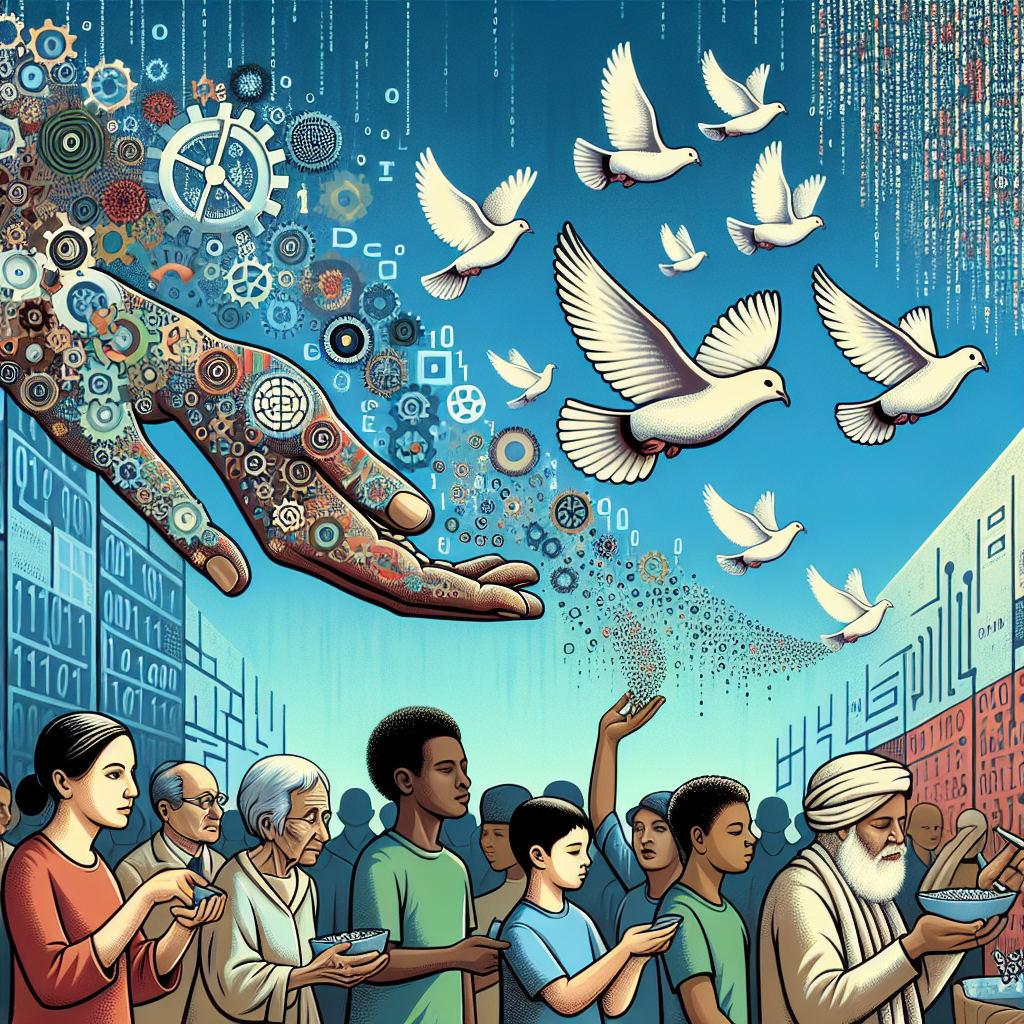
As artificial intelligence (AI) continues to rapidly advance, there is a growing push to democratize this technology and make it more accessible to communities around the world. The democratization of AI refers to the idea of making AI tools and resources available to a broader range of people, including those in underserved communities, to empower them with the benefits of this transformative technology.
By democratizing AI, we can help bridge the digital divide, create new opportunities for economic growth and innovation, and empower individuals and communities to solve complex problems in areas such as healthcare, education, and environmental sustainability. In this article, we will explore the concept of democratizing AI, its potential benefits, and how it can be implemented to empower communities with technology.
Benefits of Democratizing AI
There are several key benefits to democratizing AI and making this technology more accessible to communities around the world. Some of the main advantages include:
1. Increased access to AI tools and resources: By democratizing AI, we can ensure that a wider range of people have access to the tools and resources needed to develop and deploy AI solutions. This can help level the playing field and empower individuals and communities to harness the power of AI to address their unique challenges and opportunities.
2. Empowering underserved communities: AI has the potential to transform the lives of underserved communities by providing them with new opportunities for economic growth, education, and healthcare. By democratizing AI, we can help empower these communities to build a better future for themselves and their families.
3. Driving innovation and economic growth: By making AI more accessible, we can stimulate innovation and economic growth in communities around the world. This can help create new jobs, businesses, and industries, and spur economic development in areas that have traditionally been underserved or marginalized.
4. Solving complex problems: AI has the potential to help us solve some of the most pressing challenges facing our world today, such as climate change, healthcare disparities, and educational inequities. By democratizing AI, we can empower communities to develop and implement AI solutions that address these complex problems and create a more sustainable and equitable future for all.
How to Democratize AI
There are several key strategies that can be used to democratize AI and make this technology more accessible to communities around the world. Some of the most important steps include:
1. Providing training and education: One of the most important ways to democratize AI is to provide training and education to individuals and communities who may not have access to traditional AI resources. This can include online courses, workshops, and mentorship programs that help people develop the skills needed to work with AI technology.
2. Creating open-source tools and resources: Open-source AI tools and resources can help make AI more accessible to a wider range of people by providing them with the tools they need to develop and deploy AI solutions. By making these resources freely available, we can empower communities to build their own AI solutions and address their unique challenges.
3. Collaborating with community organizations: Working with community organizations and grassroots initiatives can help ensure that AI technologies are developed and deployed in ways that benefit the communities they are intended to serve. By partnering with local organizations, we can help build trust, foster collaboration, and ensure that AI solutions are tailored to the needs and priorities of the communities they serve.
4. Promoting diversity and inclusion: Diversity and inclusion are key principles in democratizing AI and ensuring that this technology benefits all communities. By promoting diversity in the AI workforce, including women, minorities, and individuals from underserved communities, we can help ensure that AI solutions are developed with a broad range of perspectives and experiences in mind.
Frequently Asked Questions
Q: What are some examples of AI technologies that have been democratized?
A: Some examples of democratized AI technologies include open-source machine learning libraries like TensorFlow and scikit-learn, online AI courses and tutorials, and AI platforms that provide easy-to-use tools for developing and deploying AI solutions.
Q: How can I get started with AI if I don’t have a background in computer science?
A: There are many online resources available that can help you get started with AI, even if you don’t have a background in computer science. Online courses, tutorials, and workshops can help you learn the basics of AI and develop the skills needed to work with this technology.
Q: How can AI be used to address social and environmental challenges?
A: AI has the potential to help us address a wide range of social and environmental challenges, such as climate change, healthcare disparities, and educational inequities. By developing AI solutions that are tailored to the needs of specific communities, we can help address these complex problems and create a more sustainable and equitable future for all.
In conclusion, democratizing AI is a critical step towards empowering communities with technology and ensuring that the benefits of this transformative technology are accessible to all. By providing training and education, creating open-source tools and resources, collaborating with community organizations, and promoting diversity and inclusion, we can help bridge the digital divide, drive innovation and economic growth, and solve complex problems in areas such as healthcare, education, and environmental sustainability. Through these efforts, we can help create a more inclusive and equitable future for all.