
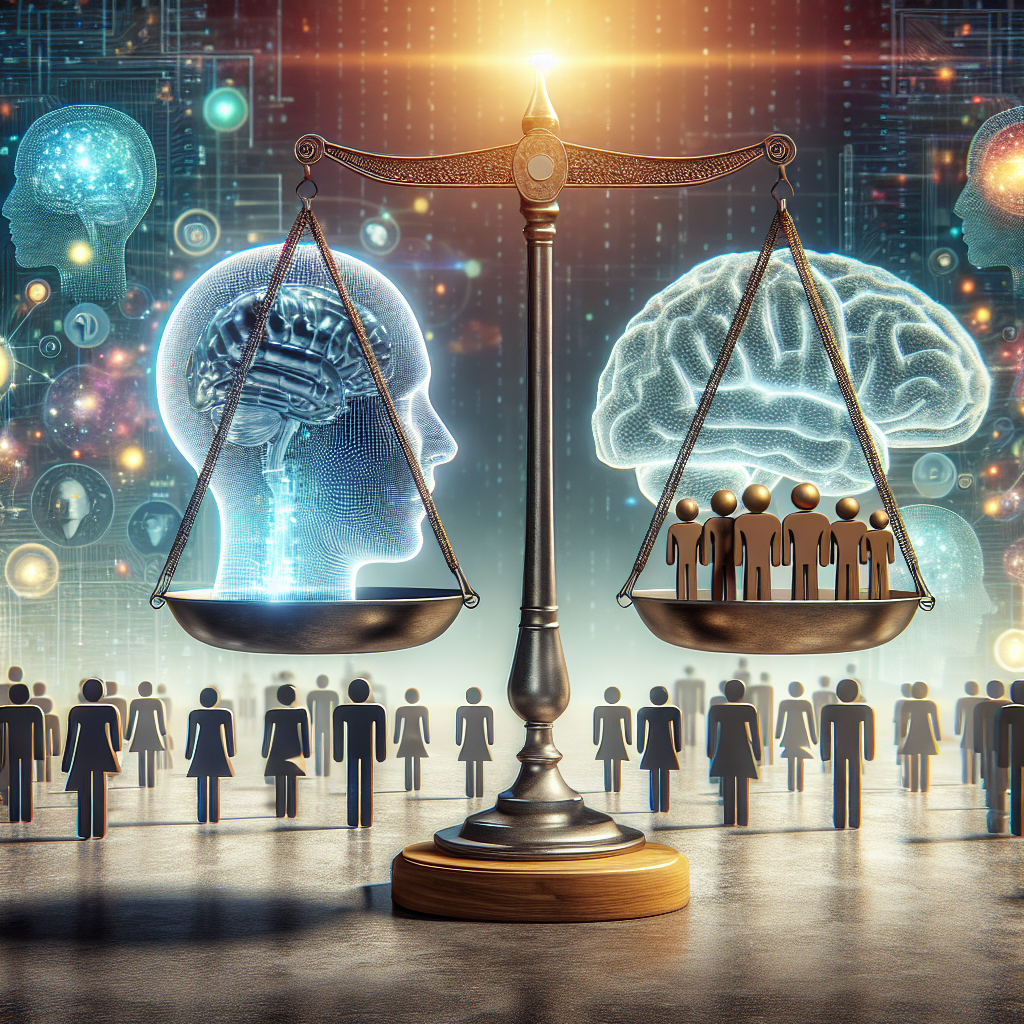
In recent years, artificial intelligence (AI) has become increasingly prevalent in our daily lives. From personalized recommendations on streaming services to autonomous vehicles, AI is transforming industries and revolutionizing the way we live and work. However, with this rapid growth comes the need to ensure that AI technologies are developed and deployed in a fair and transparent manner.
The democratization of AI is a key aspect of this process, as it seeks to make AI more accessible and available to a wider range of people and organizations. By democratizing AI, we can ensure that the benefits of this technology are shared more equitably and that it is used in ways that are ethical and responsible.
One of the main challenges in democratizing AI is ensuring fairness and transparency. AI systems are only as good as the data they are trained on, and if that data is biased or incomplete, the AI system will produce biased or inaccurate results. This can have serious consequences, especially in areas like hiring, lending, and criminal justice, where decisions made by AI systems can have a significant impact on people’s lives.
To address these challenges, researchers and policymakers are working on developing tools and techniques to ensure that AI systems are fair and transparent. This includes methods for detecting and mitigating bias in AI algorithms, as well as mechanisms for explaining how AI systems make decisions.
One approach to ensuring fairness in AI is to use techniques like fairness-aware machine learning, which aims to identify and mitigate biases in AI algorithms. For example, researchers have developed algorithms that can detect and correct for biases in training data, such as gender or racial biases in hiring algorithms. By using these techniques, we can ensure that AI systems are more equitable and do not discriminate against certain groups of people.
Transparency is another key aspect of ensuring fairness in AI. AI systems are often seen as black boxes, making it difficult to understand how they arrive at their decisions. This lack of transparency can be a barrier to accountability and can make it difficult to identify and correct biases in AI systems.
To address this issue, researchers are working on developing methods for explaining AI decisions, such as generating human-readable explanations for why an AI system made a particular decision. By providing transparency into the decision-making process of AI systems, we can ensure that they are more accountable and that their decisions are fair and unbiased.
In addition to fairness and transparency, another key aspect of democratizing AI is ensuring that it is accessible to a wide range of people and organizations. This includes providing training and resources to help people understand and use AI technologies, as well as developing tools and platforms that make it easier to develop and deploy AI systems.
For example, platforms like Google’s AutoML and Microsoft’s Azure Machine Learning make it easier for people without specialized AI expertise to develop and deploy AI models. These platforms provide tools for automating the process of training and deploying AI models, making it easier for organizations to leverage AI technology in their businesses.
Similarly, initiatives like the AI for Good Foundation aim to provide training and resources to underserved communities to help them understand and use AI technologies. By making AI more accessible and inclusive, we can ensure that the benefits of this technology are shared more equitably and that it is used in ways that benefit society as a whole.
In conclusion, democratizing AI is a crucial step in ensuring that AI technologies are developed and deployed in a fair and transparent manner. By addressing issues of fairness and transparency, we can ensure that AI systems are more equitable and do not discriminate against certain groups of people. By making AI more accessible and inclusive, we can ensure that the benefits of this technology are shared more equitably and that it is used in ways that benefit society as a whole.
FAQs:
Q: What is fairness-aware machine learning?
A: Fairness-aware machine learning is an approach to developing AI algorithms that aims to identify and mitigate biases in training data. By using techniques like fairness-aware machine learning, we can ensure that AI systems are more equitable and do not discriminate against certain groups of people.
Q: What is transparency in AI?
A: Transparency in AI refers to the ability to understand how AI systems arrive at their decisions. By providing transparency into the decision-making process of AI systems, we can ensure that they are more accountable and that their decisions are fair and unbiased.
Q: How can I access AI technologies?
A: There are a number of platforms and resources available that make it easier to access and use AI technologies. Platforms like Google’s AutoML and Microsoft’s Azure Machine Learning provide tools for automating the process of training and deploying AI models, making it easier for organizations to leverage AI technology in their businesses. Additionally, initiatives like the AI for Good Foundation provide training and resources to underserved communities to help them understand and use AI technologies.