
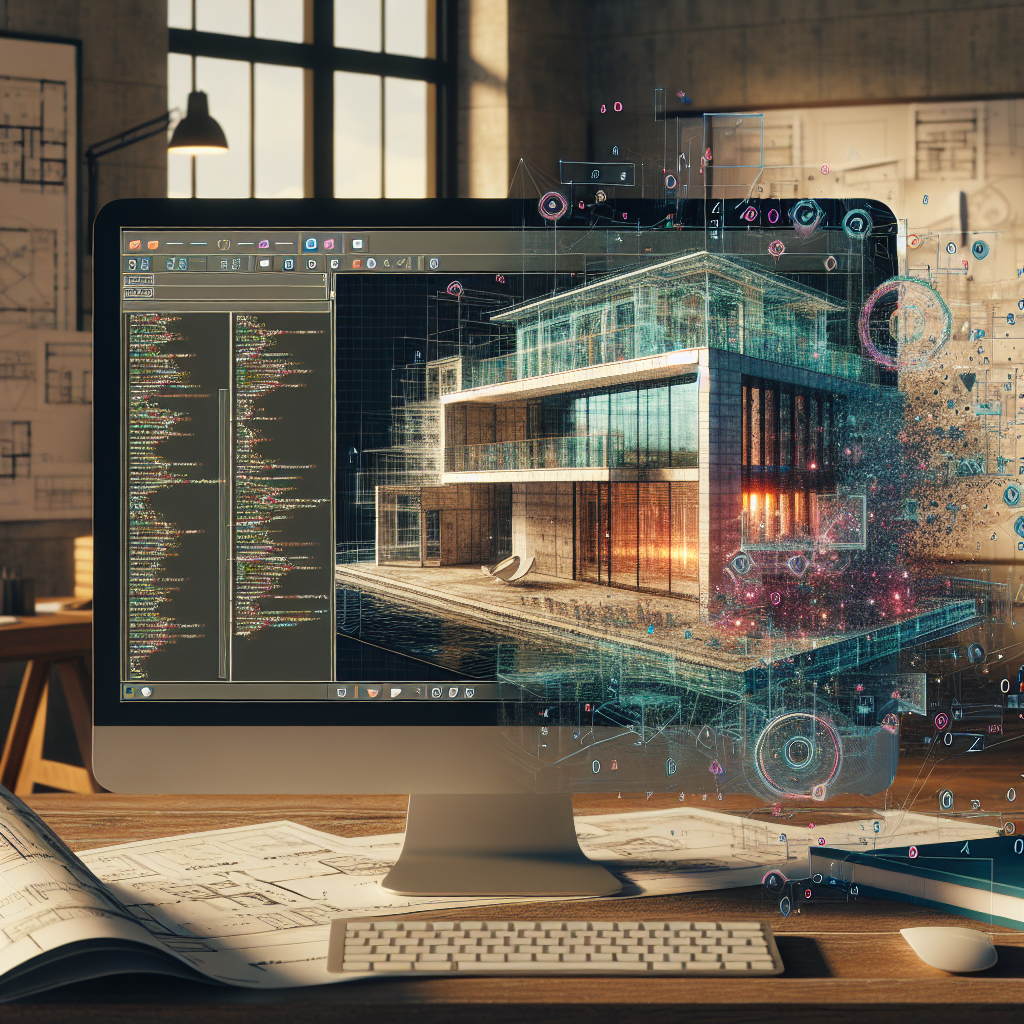
Enhancing Architectural Visualization with AI
In the world of architecture and design, visualization is a crucial aspect of the creative process. Architects and designers rely on visual representations of their projects to communicate their ideas to clients, collaborators, and stakeholders. With the advancements in artificial intelligence (AI) technology, architectural visualization has been taken to a whole new level.
AI has revolutionized the way architects and designers create and present their designs, making the process faster, more accurate, and more realistic. From generating 3D models to rendering photorealistic images, AI has become an indispensable tool in the architecture and design industry.
One of the key ways AI enhances architectural visualization is through the use of generative design algorithms. These algorithms can automatically generate design options based on a set of parameters and constraints, allowing architects to explore a wider range of possibilities in a fraction of the time it would take using traditional methods. This not only speeds up the design process but also enables architects to consider more innovative and creative solutions.
AI-powered rendering software is another game-changer in architectural visualization. These software programs use machine learning algorithms to analyze and process complex lighting, materials, and textures, resulting in highly realistic and detailed images of architectural designs. This level of realism not only helps architects and designers convey their ideas more effectively but also allows clients to visualize the final product with greater accuracy.
AI can also be used to enhance the collaboration process in architectural design. By analyzing data from multiple sources, AI can help architects and designers identify patterns, trends, and insights that can inform their design decisions. This data-driven approach can lead to more informed and strategic design choices, ultimately resulting in better outcomes for the project.
Furthermore, AI can assist in optimizing building performance and sustainability. By analyzing data on factors such as energy usage, daylighting, and thermal comfort, AI can help architects and designers create more efficient and environmentally friendly buildings. This not only benefits the environment but also saves costs for clients in the long run.
In addition to its practical applications, AI has also opened up new creative possibilities in architectural visualization. For example, AI can be used to create parametric designs that respond to environmental conditions or user input, leading to dynamic and adaptive architectural forms. AI can also be used to generate virtual reality experiences, allowing clients to immerse themselves in a digital representation of the design before it is built.
Overall, AI has transformed the field of architectural visualization, making the process more efficient, realistic, and innovative. As AI technology continues to evolve, we can expect even more exciting developments in the future that will further enhance the way architects and designers create and present their designs.
FAQs
Q: How does AI generate 3D models in architectural visualization?
A: AI uses generative design algorithms to automatically create 3D models based on a set of parameters and constraints. These algorithms can generate a wide range of design options in a fraction of the time it would take using traditional methods.
Q: How does AI improve rendering in architectural visualization?
A: AI-powered rendering software uses machine learning algorithms to analyze and process complex lighting, materials, and textures, resulting in highly realistic and detailed images of architectural designs. This level of realism helps architects and designers convey their ideas more effectively to clients.
Q: How can AI optimize building performance in architectural design?
A: AI can analyze data on factors such as energy usage, daylighting, and thermal comfort to help architects and designers create more efficient and sustainable buildings. This data-driven approach leads to better design choices and ultimately benefits both the environment and clients.
Q: What creative possibilities does AI open up in architectural visualization?
A: AI can be used to create parametric designs that respond to environmental conditions or user input, leading to dynamic and adaptive architectural forms. AI can also generate virtual reality experiences, allowing clients to immerse themselves in a digital representation of the design before it is built.