
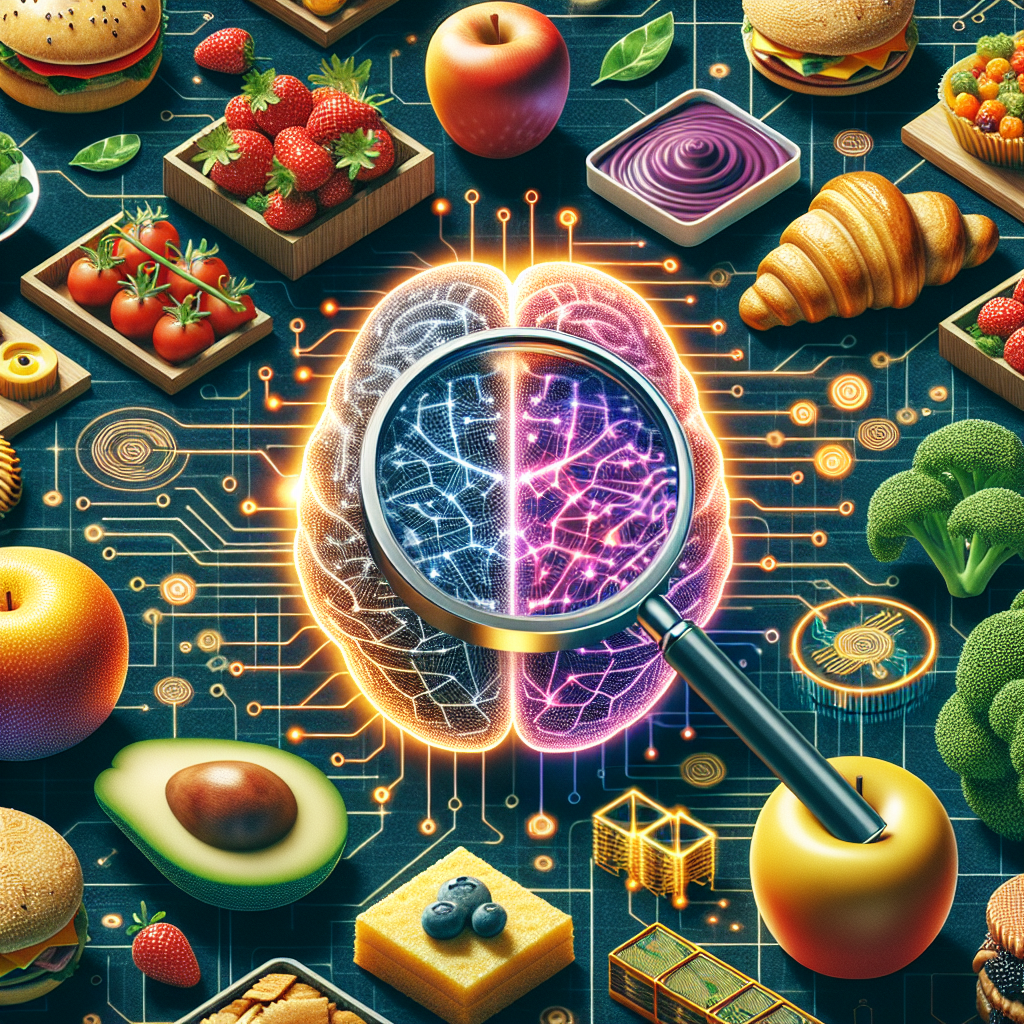
Enhancing Food Quality with AI-driven Technologies
In recent years, the food industry has seen a significant shift towards using artificial intelligence (AI) technologies to enhance food quality. AI-driven technologies have the potential to revolutionize food production, processing, and distribution, leading to safer, healthier, and more sustainable food products. From farm to fork, AI is being used to improve every aspect of the food supply chain, ensuring that consumers have access to high-quality and nutritious food options. In this article, we will explore how AI is being used to enhance food quality and what the future holds for this exciting technology.
How AI is Enhancing Food Quality
1. Quality Control and Assurance: AI technologies are being used to monitor and control food quality throughout the supply chain. From the farm to the manufacturing plant to the supermarket shelves, AI can analyze data in real-time to detect any issues that may affect food quality. For example, AI-powered sensors can monitor the temperature, humidity, and other environmental factors that can impact food freshness and safety. This real-time monitoring allows producers to take immediate action to ensure that the food meets quality standards before it reaches consumers.
2. Predictive Analytics: AI can also be used to predict food quality issues before they occur. By analyzing historical data and trends, AI algorithms can identify patterns that may indicate potential problems with food quality. This allows producers to take proactive measures to prevent issues such as spoilage, contamination, or other quality issues. By using AI-powered predictive analytics, food producers can reduce waste, improve efficiency, and ensure that consumers receive high-quality products.
3. Food Safety: One of the most critical aspects of food quality is safety. AI technologies are being used to enhance food safety by detecting and preventing issues such as contamination, pathogens, and other health risks. For example, AI-powered imaging systems can scan food products for foreign objects, pathogens, or other contaminants that may pose a risk to consumers. This technology allows producers to identify and remove any unsafe products before they are distributed to the public, ensuring that consumers have access to safe and high-quality food options.
4. Personalized Nutrition: AI is also being used to enhance food quality by providing personalized nutrition recommendations to consumers. By analyzing data such as dietary preferences, health conditions, and lifestyle choices, AI algorithms can generate personalized nutrition plans that meet individual needs and preferences. This personalized approach to nutrition allows consumers to make informed choices about their diet and improve their overall health and well-being.
5. Sustainable Food Production: AI technologies are also being used to promote sustainable food production practices. By analyzing data on factors such as soil health, water usage, and crop yields, AI algorithms can help producers optimize their farming practices to reduce environmental impact and improve food quality. For example, AI-powered irrigation systems can monitor soil moisture levels and adjust watering schedules to ensure that crops receive the right amount of water, leading to healthier and more sustainable food production.
The Future of AI-driven Food Quality
As AI technologies continue to evolve and improve, the future of food quality looks promising. AI has the potential to revolutionize the food industry by providing producers with the tools they need to ensure that consumers have access to safe, healthy, and sustainable food options. By harnessing the power of AI-driven technologies, producers can enhance food quality, reduce waste, and improve efficiency throughout the supply chain.
In the coming years, we can expect to see even more advanced AI technologies being used to enhance food quality. From robotic food processing systems to AI-powered food delivery services, the possibilities are endless. As AI continues to advance, we can expect to see more personalized, sustainable, and innovative food products hitting the market.
FAQs
Q: How is AI being used to enhance food quality?
A: AI is being used to monitor and control food quality throughout the supply chain, predict food quality issues before they occur, enhance food safety, provide personalized nutrition recommendations, and promote sustainable food production practices.
Q: What are some examples of AI-driven technologies used in the food industry?
A: Examples of AI-driven technologies used in the food industry include AI-powered sensors for quality control, predictive analytics for food safety, imaging systems for contamination detection, personalized nutrition algorithms, and optimization tools for sustainable food production.
Q: What are the benefits of using AI to enhance food quality?
A: The benefits of using AI to enhance food quality include improved food safety, reduced waste, increased efficiency, personalized nutrition recommendations, and sustainable food production practices.
Q: What does the future hold for AI-driven food quality?
A: The future of AI-driven food quality looks promising, with advancements in AI technologies expected to revolutionize the food industry. We can expect to see even more personalized, sustainable, and innovative food products hitting the market in the coming years.
In conclusion, AI-driven technologies have the potential to enhance food quality in numerous ways, from improving safety and sustainability to providing personalized nutrition recommendations. As the food industry continues to embrace AI, we can expect to see even more exciting advancements in the coming years. By harnessing the power of AI, producers can ensure that consumers have access to high-quality and nutritious food options that meet their individual needs and preferences.