
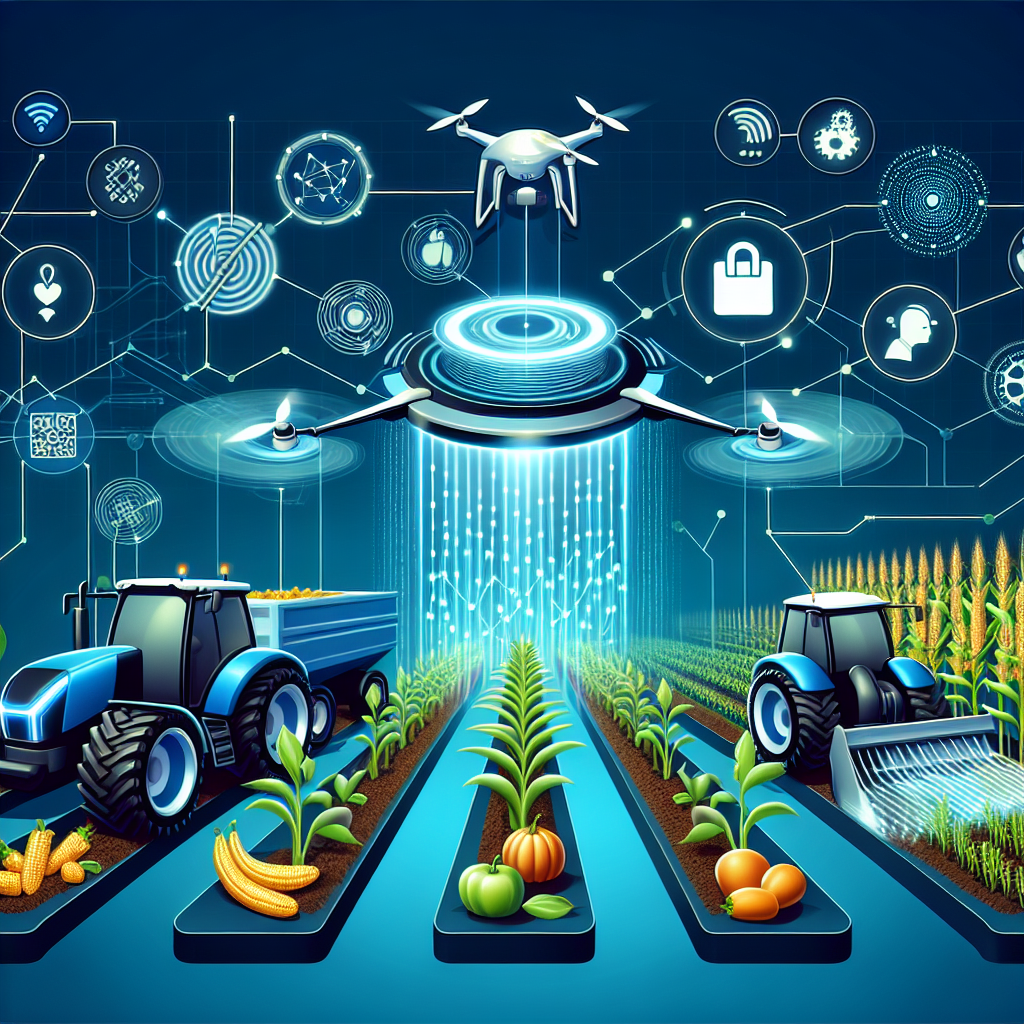
Enhancing Food Traceability with AI-driven Technologies
In recent years, there has been a growing concern about food safety and traceability. Consumers want to know where their food comes from, how it was produced, and if it is safe to eat. This has led to an increased demand for transparent and reliable food traceability systems.
Fortunately, advancements in artificial intelligence (AI) technology have made it possible to enhance food traceability in ways that were previously unimaginable. By leveraging AI-driven technologies, food producers and distributors can now track and trace their products from farm to fork with greater accuracy and efficiency.
One of the key ways in which AI is enhancing food traceability is through the use of machine learning algorithms. These algorithms can analyze vast amounts of data from various sources, such as sensors, RFID tags, and barcodes, to create a detailed digital trail of a food product’s journey through the supply chain. This allows for real-time monitoring of food safety and quality, as well as rapid response to any issues that may arise.
Another way in which AI is improving food traceability is through the use of blockchain technology. Blockchain is a decentralized and secure digital ledger that records transactions in a tamper-proof and transparent manner. By integrating blockchain technology with AI algorithms, food producers can create an immutable record of every step in the supply chain, from harvesting to distribution. This not only enhances traceability but also helps to prevent fraud and ensure the authenticity of food products.
AI-driven technologies are also being used to improve the accuracy and speed of food recalls. In the event of a food safety issue, AI algorithms can quickly identify the affected products and trace them back to their source, allowing for targeted recalls and minimizing the impact on consumers. This not only saves time and resources for food producers but also helps to protect public health.
Furthermore, AI can help to enhance the overall efficiency of the food supply chain. By analyzing data on consumer preferences, market trends, and production processes, AI algorithms can optimize inventory management, reduce waste, and improve the sustainability of food production. This not only benefits food producers and distributors but also helps to meet the growing demand for ethically sourced and environmentally friendly products.
In conclusion, AI-driven technologies have the potential to revolutionize food traceability and safety. By leveraging machine learning, blockchain, and other AI tools, food producers can create a more transparent, secure, and efficient supply chain. This not only benefits consumers by providing them with greater confidence in the food they eat but also helps to ensure the long-term sustainability of the food industry.
FAQs
Q: How does AI improve food traceability?
A: AI improves food traceability by analyzing data from various sources, such as sensors, RFID tags, and barcodes, to create a detailed digital trail of a food product’s journey through the supply chain. This allows for real-time monitoring of food safety and quality, as well as rapid response to any issues that may arise.
Q: What is blockchain technology and how does it enhance food traceability?
A: Blockchain is a decentralized and secure digital ledger that records transactions in a tamper-proof and transparent manner. By integrating blockchain technology with AI algorithms, food producers can create an immutable record of every step in the supply chain, from harvesting to distribution. This enhances traceability and helps to prevent fraud and ensure the authenticity of food products.
Q: How does AI help with food recalls?
A: In the event of a food safety issue, AI algorithms can quickly identify the affected products and trace them back to their source, allowing for targeted recalls and minimizing the impact on consumers. This saves time and resources for food producers and helps to protect public health.
Q: How does AI enhance the efficiency of the food supply chain?
A: By analyzing data on consumer preferences, market trends, and production processes, AI algorithms can optimize inventory management, reduce waste, and improve the sustainability of food production. This benefits food producers and distributors and helps to meet the growing demand for ethically sourced and environmentally friendly products.