
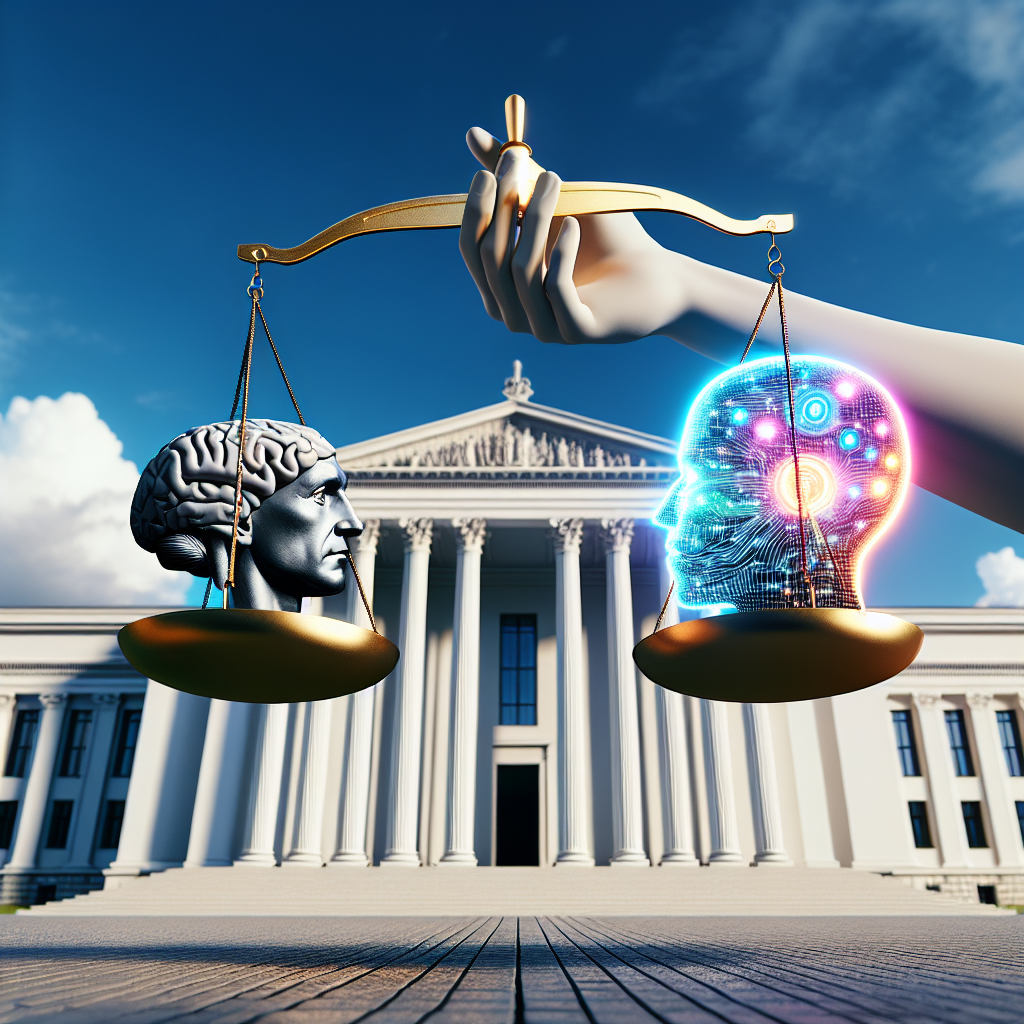
In today’s rapidly evolving digital age, government decision-making processes are becoming increasingly complex and challenging. With the influx of data and information available to policymakers, it can be overwhelming to sift through and analyze all the relevant data to make informed decisions. This is where Artificial Intelligence (AI) comes in, offering a solution to enhance government decision-making processes.
AI refers to the simulation of human intelligence in machines that are programmed to think, learn, and problem-solve like humans. AI technologies such as machine learning, natural language processing, and data analytics can help governments analyze vast amounts of data quickly and efficiently, identify patterns and trends, and predict outcomes with a high degree of accuracy. By leveraging AI, governments can make better-informed decisions, improve operational efficiency, and enhance public service delivery.
There are several ways in which AI can enhance government decision-making:
1. Data Analysis and Insights: AI can help governments analyze large volumes of data from various sources, such as social media, sensors, and government databases, to gain valuable insights. By using machine learning algorithms, AI can identify patterns and correlations in data that human analysts may overlook, providing decision-makers with a more comprehensive understanding of complex issues.
2. Predictive Analytics: AI can also help governments predict future outcomes based on historical data. By analyzing past trends and patterns, AI algorithms can forecast potential risks and opportunities, enabling policymakers to make proactive decisions to mitigate risks and capitalize on opportunities.
3. Policy Development: AI can assist governments in developing evidence-based policies by analyzing data and predicting the impact of different policy options. By simulating various scenarios, policymakers can evaluate the potential outcomes of different policy choices and make informed decisions that are more likely to achieve desired outcomes.
4. Resource Allocation: AI can optimize resource allocation by analyzing data on government spending, program effectiveness, and citizen needs. By identifying areas of inefficiency and prioritizing resources based on data-driven insights, governments can allocate resources more effectively to maximize impact and improve public service delivery.
5. Fraud Detection: AI can help governments detect and prevent fraud by analyzing transaction data and identifying suspicious patterns. By using machine learning algorithms to detect anomalies and flag potential fraud cases, governments can reduce financial losses and protect public funds.
While AI offers significant benefits for enhancing government decision-making, there are also challenges and considerations that policymakers need to address:
1. Data Privacy and Security: Governments must ensure the protection of citizens’ privacy and data security when using AI technologies. It is essential to establish robust data governance frameworks and comply with relevant data protection regulations to safeguard sensitive information.
2. Bias and Fairness: AI algorithms can be biased if trained on biased data, resulting in unfair outcomes for certain groups. Governments must address bias in AI systems by ensuring diverse and representative data sets, implementing transparency and accountability measures, and conducting regular audits to monitor algorithmic fairness.
3. Ethical Considerations: AI technologies raise ethical concerns related to accountability, transparency, and human oversight. Governments must establish ethical guidelines and standards for the responsible use of AI in decision-making processes to ensure that AI systems align with democratic values and respect human rights.
4. Skills and Capacity Building: Governments need to invest in building AI capabilities and expertise within their organizations to effectively leverage AI for decision-making. This includes training staff in AI technologies, hiring data scientists and AI experts, and collaborating with external partners to access specialized AI knowledge and resources.
Despite these challenges, the potential benefits of AI for enhancing government decision-making are significant. By harnessing the power of AI technologies, governments can improve decision-making processes, increase efficiency, and deliver better outcomes for citizens. As AI continues to advance, governments must embrace AI as a strategic tool for innovation and transformation in public administration.
FAQs:
Q: How can AI help governments make better decisions?
A: AI can help governments make better decisions by analyzing large volumes of data, predicting future outcomes, developing evidence-based policies, optimizing resource allocation, and detecting fraud. By leveraging AI technologies such as machine learning and data analytics, governments can gain valuable insights, identify patterns and trends, and make informed decisions that are more likely to achieve desired outcomes.
Q: What are the key considerations for governments when using AI for decision-making?
A: Governments need to consider data privacy and security, bias and fairness, ethical considerations, and skills and capacity building when using AI for decision-making. It is essential to establish robust data governance frameworks, address bias in AI algorithms, adhere to ethical guidelines, and invest in building AI capabilities within government organizations.
Q: How can governments address bias in AI algorithms?
A: Governments can address bias in AI algorithms by ensuring diverse and representative data sets, implementing transparency and accountability measures, and conducting regular audits to monitor algorithmic fairness. It is crucial to identify and mitigate bias in AI systems to ensure fair and equitable outcomes for all stakeholders.
Q: What are the potential benefits of AI for enhancing government decision-making?
A: The potential benefits of AI for enhancing government decision-making include improved data analysis and insights, predictive analytics, evidence-based policy development, resource allocation optimization, and fraud detection. By leveraging AI technologies, governments can make better-informed decisions, increase operational efficiency, and deliver better public services to citizens.